

Gen Z and Gamification: Why 27% Say Loyalty Programs Aren’t Fun (And How to Fix It) in 2026
27% of Gen Z say your loyalty program is boring.
They’re not being difficult. They’re being honest.
Gen Z didn’t grow up learning how loyalty programs work—they grew up learning how games, feeds, and communities work. When brands ask them to “earn points and redeem later,” it feels archaic. In 2026, Gen Z doesn’t reject loyalty; they reject transactional loyalty disguised as engagement.
This guide explains why Gen Z disengages from traditional programs, what motivates them instead, and how brands can redesign gamification to feel native to a generation raised on interactivity, identity, and instant feedback.
Executive Summary: Why Gen Z Loyalty Is Breaking
Traditional loyalty programs assume:
- Patience
- Rational value comparison
- Long-term accumulation
Gen Z behavior shows:
- Preference for immediacy
- Identity signaling over savings
- Entertainment over efficiency
- Community over accumulation
For Gen Z, loyalty isn’t a spreadsheet—it’s an experience loop.
1) Who Gen Z Is (Behaviorally, Not Demographically)
Gen Z isn’t defined by age. They’re defined by interaction norms.
Core Behavioral Traits
- Mobile-first by default
- Entertainment-native (TikTok > TV)
- Social validation oriented
- Highly fluent in game mechanics
- Intolerant of friction
They don’t separate “content,” “commerce,” and “community.”
They expect them to blend.
2) Why Traditional Loyalty Programs Feel Broken to Gen Z
“Earn and Burn” Feels Like Waiting
Delayed rewards feel pointless when:
- Feedback loops are instant everywhere else
- Entertainment is continuous
- Progress is visible in real time
Points Feel Abstract
Points without narrative feel meaningless. Gen Z asks:
“Why should I care about this number?”
No Social Layer = No Energy
Private progress is invisible. Invisible progress is unmotivating.
3) What Gen Z Actually Wants from Gamification
Gen Z loyalty programs succeed when they deliver four things immediately:
| Need | What It Looks Like |
|---|---|
| Instant feedback | Progress, unlocks, reactions |
| Entertainment | Play, surprise, novelty |
| Social recognition | Visibility, sharing, status |
| Identity | “This reflects who I am” |
Discounts are secondary. Experience is primary.
4) Mobile-First Isn’t Optional—It’s the Starting Line
For Gen Z, “mobile-first” doesn’t mean responsive design.
It means:
- One-tap actions
- Vertical experiences
- Micro-interactions
- Always-on progression
Gamification that requires logging in on desktop might as well not exist.
5) Community Over Currency
Gen Z values belonging more than accumulation.
Why Community-Based Gamification Wins
- Progress is visible to peers
- Participation feels shared
- Recognition is social
A leaderboard among friends beats $5 off every time.
6) Case Studies: Brands Getting Gen Z Gamification Right


POP MART
POP MART’s mini-app succeeds because:
- 47% of users are under 30
- Shopping is framed as play
- Blind boxes create anticipation
- Community sharing amplifies obsession
It’s not retail—it’s entertainment commerce.
Duolingo
Duolingo resonates with Gen Z by:
- Using humor and self-awareness
- Emphasizing streaks over scores
- Turning learning into daily play
Progress feels personal, not academic.
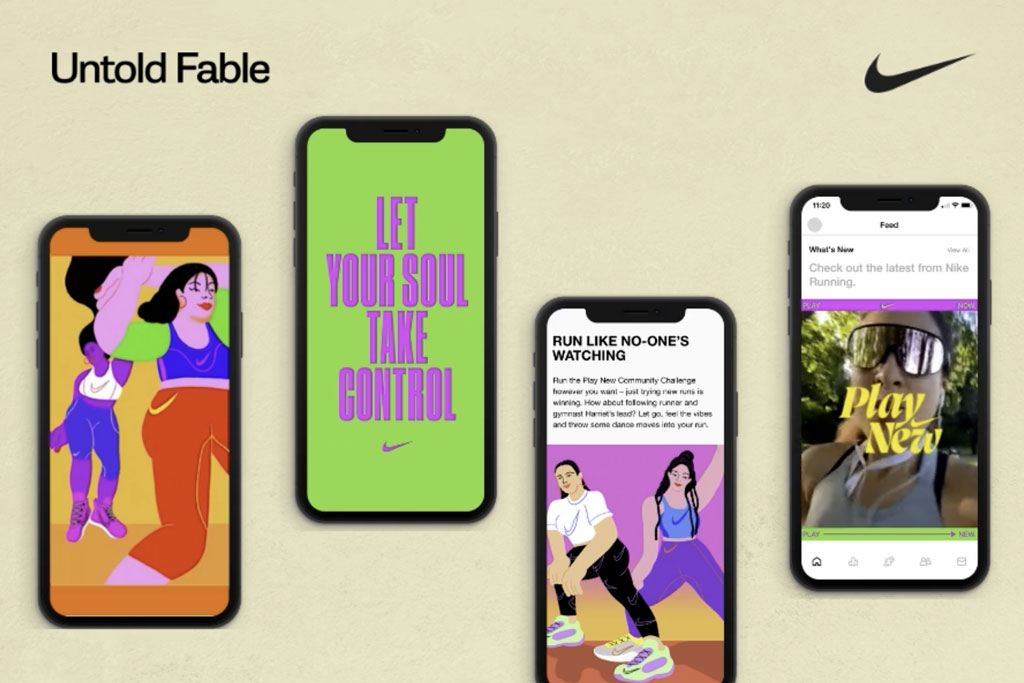
Nike
Nike builds Gen Z loyalty through:
- Community challenges
- Identity-based progression
- Recognition over rewards
Participation reinforces self-concept: “I’m an athlete.”
Roblox
Roblox brand activations succeed because:
- Users co-create experiences
- Participation is playful
- Status is social and visible
Ownership feels shared.
7) Designing Loyalty Programs That Gen Z Actually Enjoys
Principle 1: Replace Points with Progress
Visual progress > numerical accumulation.
Principle 2: Make Rewards Experiential
Access, recognition, and exclusivity beat coupons.
Principle 3: Build Social Feedback Loops
Sharing progress should feel natural—not forced.
Principle 4: Design for Micro-Moments
Small wins, often.
8) What to Remove (This Matters)
To win Gen Z, brands must unlearn:
- Long reward delays
- Complicated rules
- Hidden value
- Corporate tone
Gen Z doesn’t want to be managed.
They want to play.
9) Measuring Gen Z Gamification Success
Traditional KPIs still apply—but emphasis shifts.
| Metric | Why It Matters |
|---|---|
| Daily participation | Habit formation |
| Share rate | Social resonance |
| Progress velocity | Momentum |
| Community retention | Belonging |
| Identity signals | Brand affinity |
If Gen Z isn’t sharing or returning, the experience failed.
10) Ethics Matter More with Gen Z
Gen Z is hyper-aware of manipulation.
Best Practices
- Transparent mechanics
- Fair progression
- Opt-in social visibility
- No artificial scarcity traps
Authenticity isn’t optional—it’s table stakes.
Final Takeaway
Gen Z doesn’t hate loyalty programs.
They hate boring ones.
In 2026, the brands that win Gen Z loyalty won’t ask:
“How do we make rewards cheaper?”
They’ll ask:
“How do we make participation fun, visible, and meaningful?”
Because Gen Z won’t tolerate boredom.
And they won’t wait for value.


0 Comments