

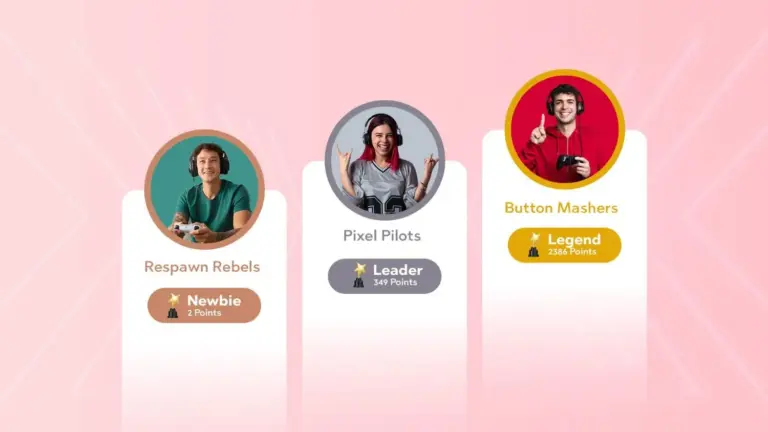
Want virality? Stop marketing to individuals. Start building teams.
One player is engagement. A thousand players is a movement.
In 2026, growth doesn’t spread because content is clever—it spreads because people pull other people into it. Social gamification turns isolated interactions into networked momentum, where participation compounds through relationships, status, and shared goals.
This guide explains why social gamification outperforms solo mechanics, how to design leaderboards and team challenges without killing motivation, and what community features actually drive viral lift—without devolving into spam or toxicity.
Executive Summary: Why Social Beats Solo
Solo gamification can motivate briefly.
Social gamification sustains and multiplies engagement.
When people play together:
- Effort becomes visible
- Progress gains social meaning
- Accountability increases
- Sharing becomes intrinsic, not forced
In 2026, the fastest-growing products and campaigns aren’t optimized for clicks—they’re optimized for collective achievement.
1) The Limits of Solo Gamification
Solo mechanics (points, streaks, badges) rely on internal motivation alone. They work—until they don’t.
Where Solo Systems Break
- Motivation decays without reinforcement
- Top performers dominate, others disengage
- Progress feels private and forgettable
Social systems add external reinforcement—recognition, comparison, belonging—without requiring bigger rewards.
2) What Social Gamification Actually Is
Social gamification embeds game mechanics into relationships, not just interfaces.
Core Social Mechanics
| Mechanic | What It Does | Psychological Trigger |
|---|---|---|
| Leaderboards | Rank performance | Social comparison |
| Team challenges | Share goals | Belonging |
| Shared rewards | Align incentives | Cooperation |
| Public recognition | Make effort visible | Status |
| Referral loops | Extend networks | Reciprocity |
The system stops asking, “Will you participate?”
It starts asking, “Will you invite others?”
3) The Psychology That Makes Social Gamification Explode
Social Proof at Scale
People are more likely to act when they see peers acting. Public progress normalizes effort and lowers friction.
Accountability Through Visibility
When progress is public, quitting has a social cost. This soft pressure sustains engagement longer than private incentives.
Status Without Spending
Recognition, ranks, and titles create value without margin erosion—especially powerful in communities.
4) Leaderboards That Motivate (Instead of Alienate)
Leaderboards are powerful—and dangerous if misused.
Why Traditional Leaderboards Fail
- One global list favors elites
- New users feel hopeless
- Motivation collapses for the majority
Smarter Leaderboard Design
| Technique | Why It Works |
|---|---|
| Tiered leaderboards | Compete with peers |
| Time-boxed resets | Fresh starts |
| Relative rankings | “You’re #4 of 20” |
| Multiple win conditions | Broader participation |
The goal isn’t dominance—it’s continued participation.
5) Team Challenges: The Viral Multiplier
Team challenges outperform individual challenges because they:
- Distribute effort
- Encourage invitations
- Reduce fear of failure
High-Impact Team Structures
- Friends-based teams
- Interest-based cohorts
- Randomized squads (with opt-outs)
When success is shared, people recruit help naturally.
6) Referral Gamification That Doesn’t Feel Spammy
Referrals fail when they feel transactional.
Gamified referrals work when:
- Rewards are shared
- Progress is collective
- Outcomes feel earned
Example Structures
- “Unlock X when your team hits Y”
- Shared milestones with visual progress
- Recognition for contributors, not just inviters
Sharing becomes helpful, not pushy.
7) Case Studies: Social Gamification in the Wild


Ant Forest
Ant Forest uses:
- Team-based environmental goals
- Public contribution tracking
- Collective rewards (real trees planted)
The result: massive Gen Z participation driven by shared purpose.
Teleflora
Teleflora added social engagement layers:
- Community challenges
- Shareable milestones
Results included a 105% increase in Facebook traffic and a 92% conversion lift—driven by social proof, not discounts.
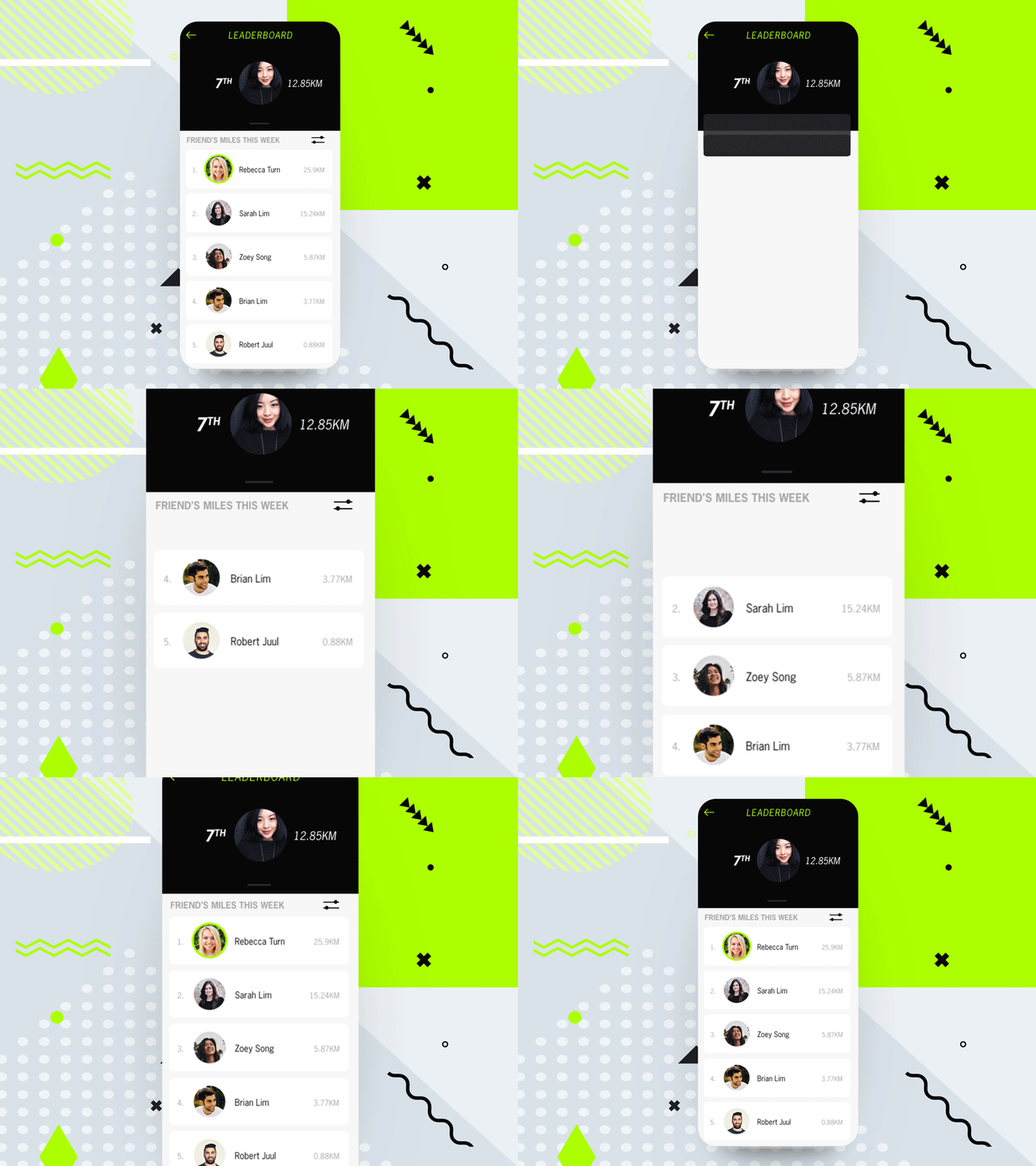
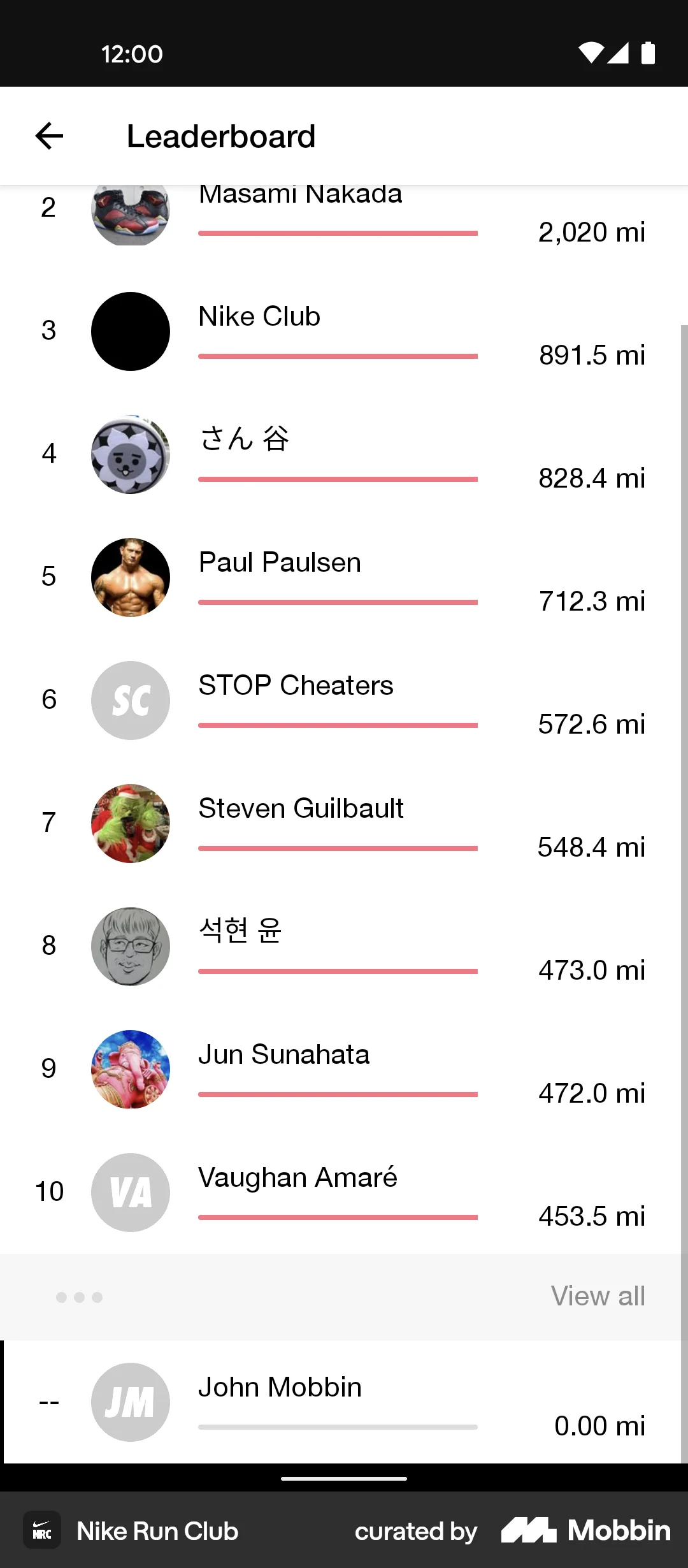
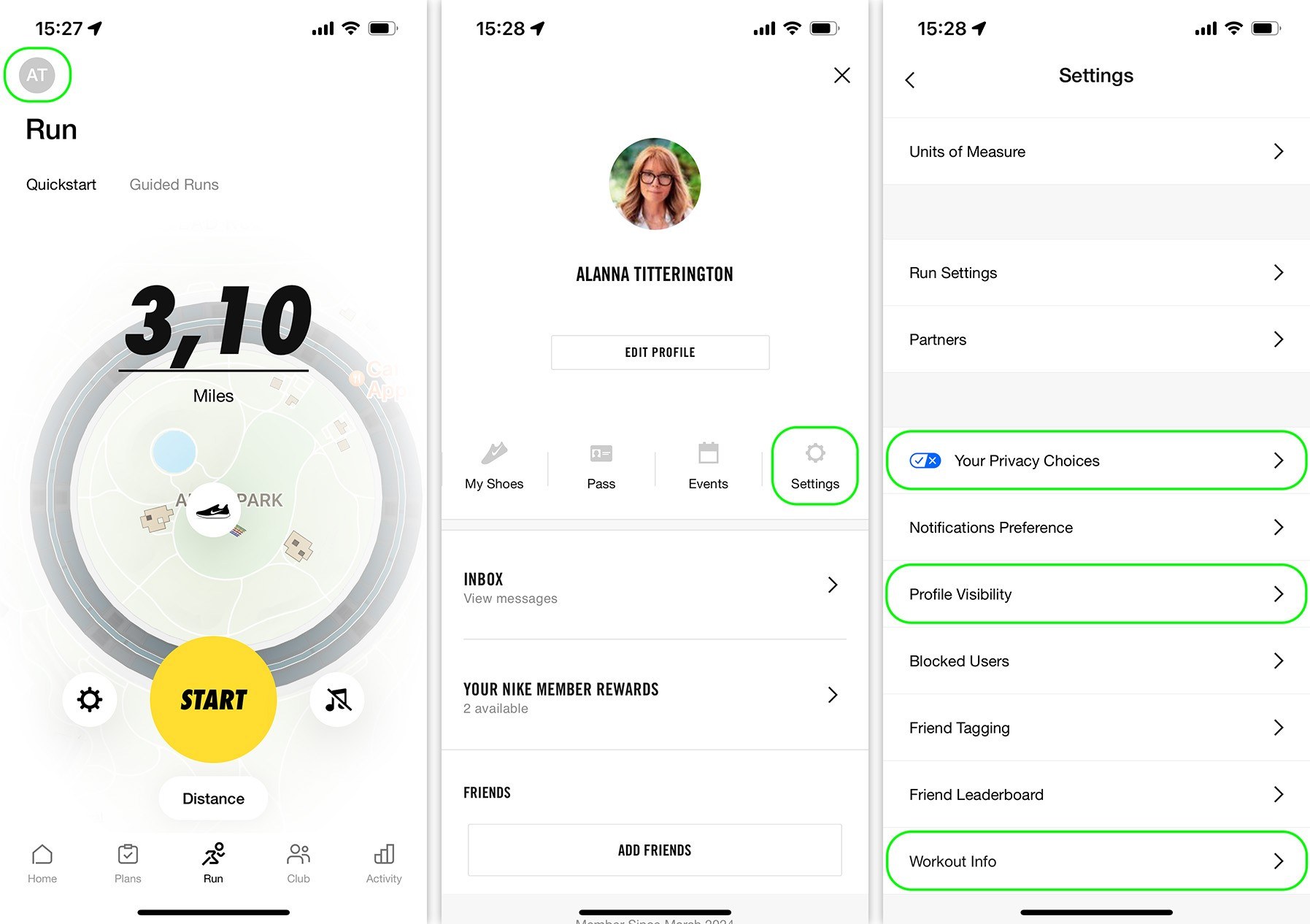
Nike Run Club
Nike’s social features:
- Friend comparisons
- Group challenges
- Shared milestones
Competition is optional; community is constant.
Duolingo Leagues
Duolingo’s leagues:
- Segment users by performance
- Reset weekly
- Provide achievable competition
This keeps motivation high across ability levels.
Peloton
Peloton’s leaderboards:
- Make effort visible
- Create live competition
- Reinforce belonging
The workout is social—even when alone.
8) Designing Social Gamification Systems (Framework)
Step 1: Define the Social Unit
Individual, team, cohort, or community?
Step 2: Choose the Visibility Level
Public, semi-public, or private-by-choice.
Step 3: Balance Competition and Cooperation
Too much competition kills inclusion; too little kills momentum.
Step 4: Build Recognition Loops
Badges fade. Shoutouts endure.
Step 5: Reset to Renew
Time-boxed seasons prevent stagnation and burnout.
9) Metrics That Matter for Social Gamification
Measure network effects, not just engagement.
| Metric | Why It Matters |
|---|---|
| Participation rate | Core adoption |
| Invite-to-join ratio | Viral coefficient |
| Team completion rate | Cooperation health |
| Return frequency | Habit formation |
| Conversion lift | Revenue impact |
If growth doesn’t accelerate with scale, the social layer needs work.
10) Ethics and Community Health
Social systems can amplify harm if unmanaged.
Guardrails for 2026
- Anti-toxicity moderation
- Opt-out from public rankings
- No shaming mechanics
- Inclusive win conditions
Healthy communities outperform hostile ones—every time.
Final Takeaway
Solo gamification motivates briefly.
Social gamification multiplies effort.
In 2026, the brands that win won’t ask:
“How do we engage one user?”
They’ll ask:
“How do we help users engage each other?”
Because growth doesn’t spread through clicks.
It spreads through communities that play together.


0 Comments