

Stop Using Social Media to Drive Blog Traffic
The traffic arbitrage playbook is dead. If you’re posting on social media hoping readers will click through to your blog and generate ad revenue, you’re optimizing for the wrong outcome entirely. This tutorial, drawn from Income School’s breakdown of modern content strategy, will show you how to reframe social media as a brand-building engine, build audiences across every platform, and convert followers into customers — without depending on pageviews.
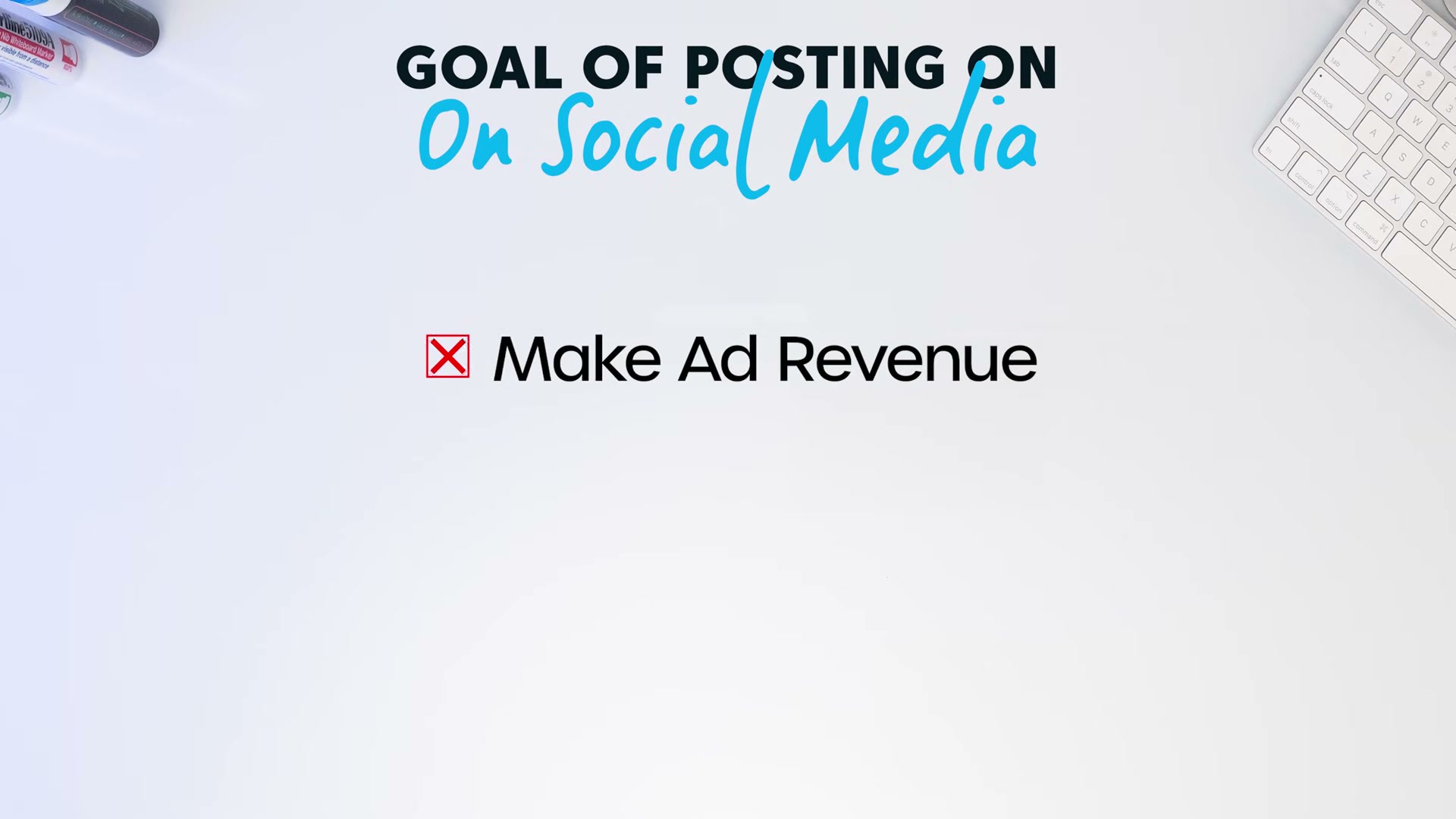
- Reframe what social media is actually for. Ad revenue from social platforms is not a viable goal for most content creators — that model only works at Mr. Beast scale. The real goal is engagement and brand awareness. When you stop measuring social media success in clicks and pageviews, you open up a much more durable strategy.
- Use ChatGPT Projects to generate posts from your existing blog content. Upload your entire blog to a ChatGPT Project and use it as a content factory. The blog content you’ve already written becomes the raw material for essentially unlimited social posts — no starting from scratch.
Warning: this step may differ from current official documentation — see the verified version below.
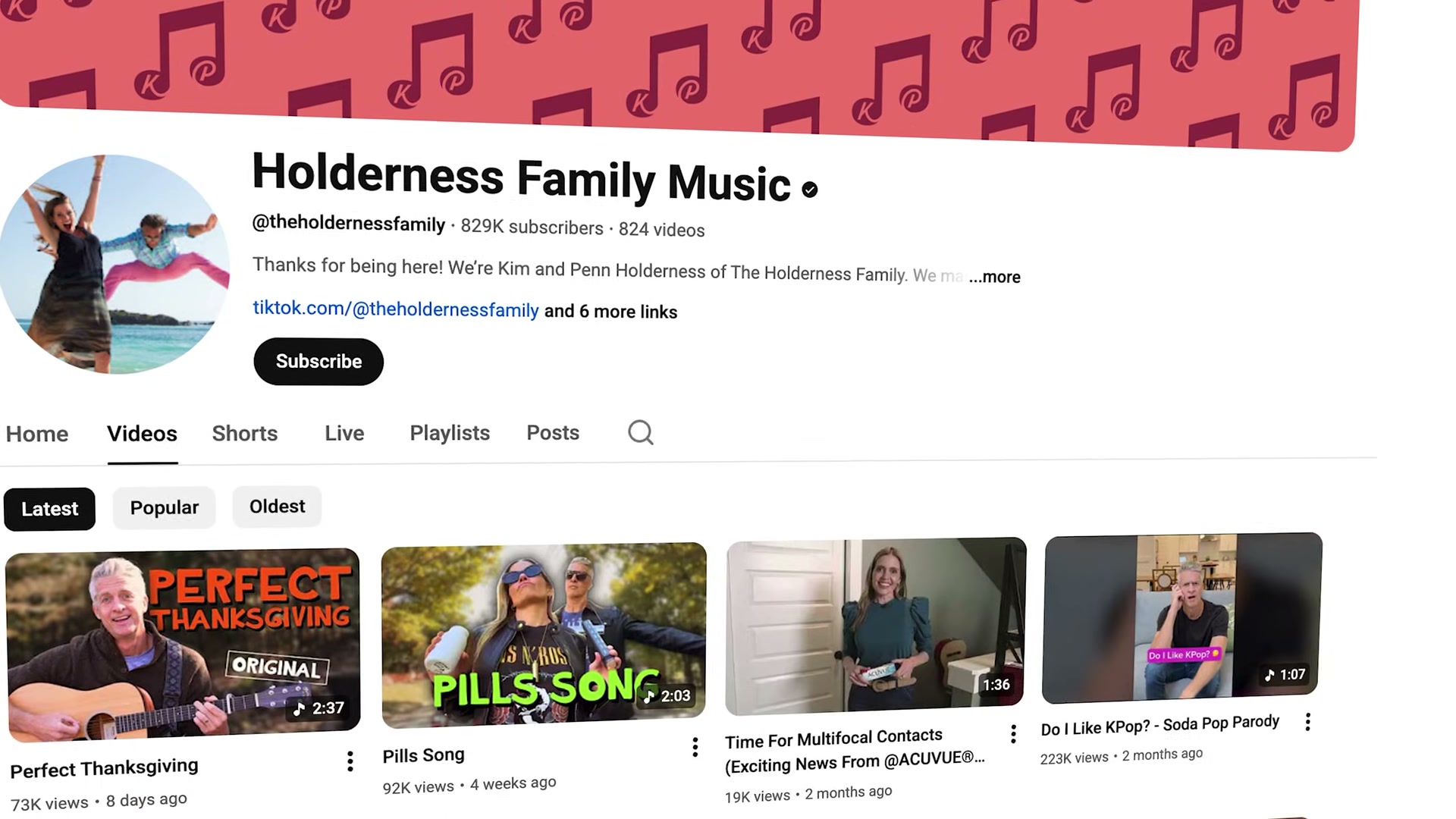
3. Cross-post everything to every platform. Most content you create for one platform can be republished across all others — Facebook, YouTube, Instagram, wherever your audience lives. The Holderness Family, for example, built their following by appearing across Facebook and YouTube simultaneously, which is how audiences discover creators on a platform they weren’t initially targeting.
4. Treat each platform’s followers as a mini email list. Every social channel where you have followers is a touchpoint — an ongoing relationship, not a redirect mechanism. Nurture those audiences the same way you’d nurture an email subscriber: consistently, with content that resonates.
5. Use a lead magnet to move followers onto your email list. Social followers are one algorithm change away from disappearing. Give them a compelling enough reason — a free resource, a tool, a guide — to hand over their email address and enter your owned channel.
6. Announce product launches across email and all social channels simultaneously. When you have something to sell, your email list and your social followings become a coordinated launch audience. A blog post alone reaches almost no one. A simultaneous push across every channel you’ve built amplifies reach without additional ad spend.
7. bStop identifying as a blogger. The blogger identity is a liability. The goal is to become a small business owner who uses content to build an audience around a sellable product or experience — not to accumulate pageviews.
8. Build a product that solves a real problem. Courses, communities, digital tools, physical products — any of these work, provided they solve a genuine problem, save time, or save money. In an era where AI commoditizes information, experiences and tools are what audiences will pay for.
How does this compare to the official docs?
The strategy Income School outlines draws on platform behaviors and third-party tools that each have their own documented capabilities and constraints — and the official guidance from those platforms tells a more precise story about what’s possible and where the pitfalls are.
Here’s What the Official Docs Show
The video makes a compelling case for audience-first social strategy, and the core argument holds up. What the platform documentation adds is useful precision — particularly around one tool requirement that has real cost implications before you start.
Step 1 — Reframe what social media is actually for.
No official documentation was found for this step — proceed using the video’s approach and verify independently.
Step 2 — Use ChatGPT Projects to generate posts from your existing blog content.
The video instructs you to upload your entire blog to a ChatGPT Project and use it as a content factory. Here’s what the current ChatGPT interface actually shows.
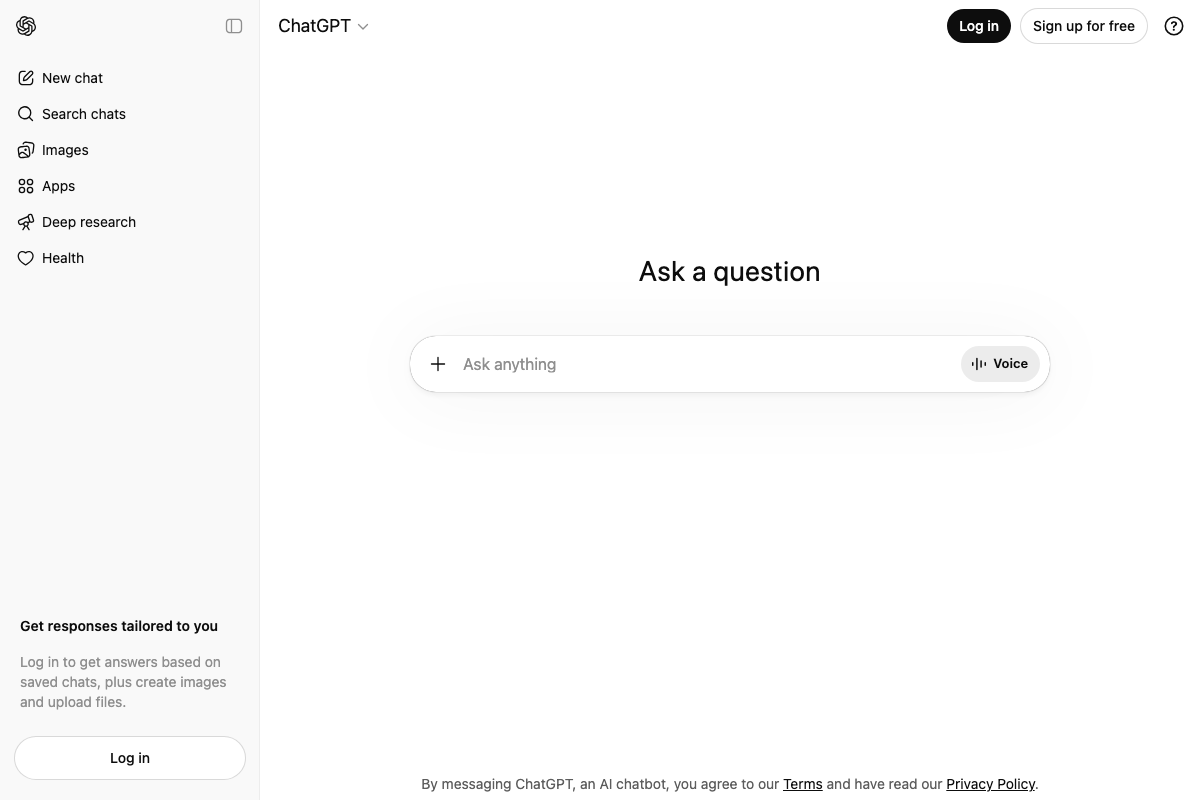
All three ChatGPT screenshots captured the same logged-out homepage. The left sidebar shows New chat, Search chats, Images, Apps, Deep research, and Health — no Projects entry appears anywhere in the unauthenticated interface.
As of March 13, 2026, ChatGPT Projects is only accessible after login and only on a paid plan (Plus, Pro, or Team). The video does not state this requirement. If you’re on a free ChatGPT account, the Projects workflow described in Step 2 is not available to you. File upload via the + icon in the chat input bar is available post-login on free accounts, but that is a different capability than Projects.

Step 3 — Cross-post everything to every platform.
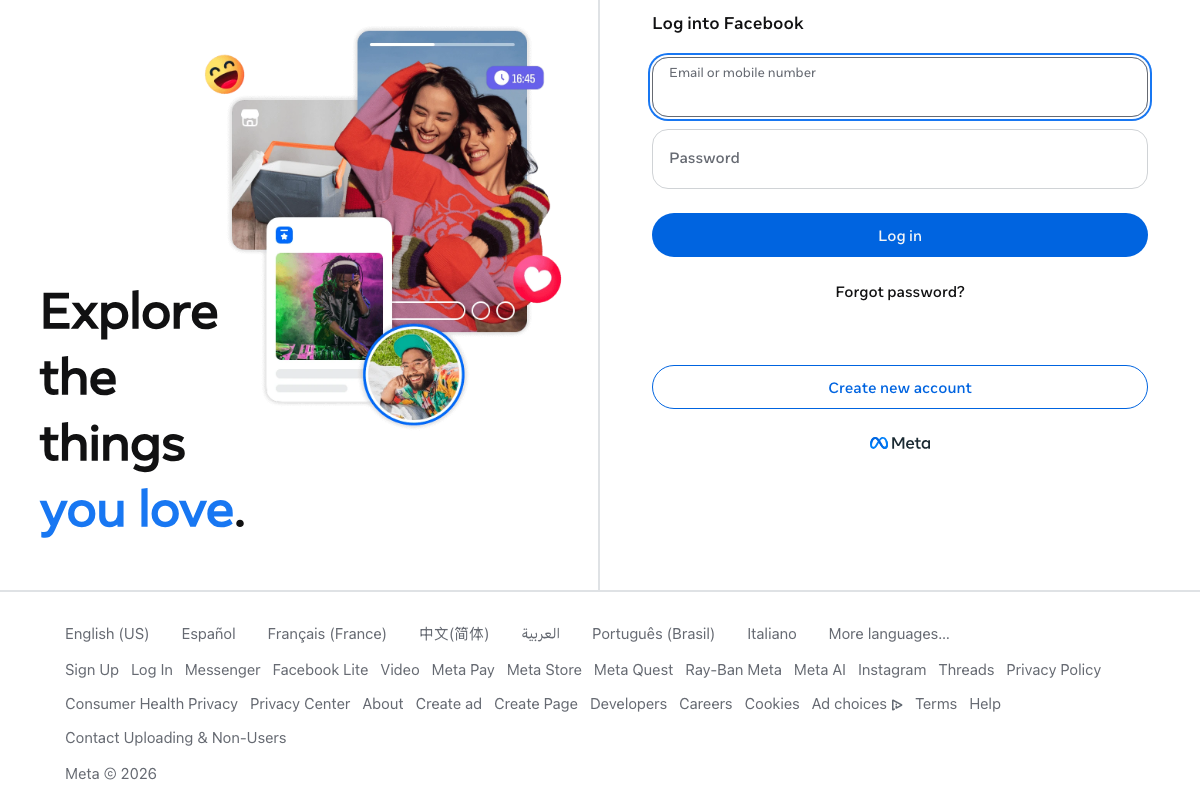
The video’s approach here matches the current docs exactly — Facebook and YouTube are both confirmed as active, viable cross-posting destinations.

Two additions worth noting from the current Facebook UI: the platform footer explicitly lists Instagram and Threads as separate Meta-owned surfaces. If you’re already posting to Facebook, both platforms are accessible through the same Meta account ecosystem — the tutorial’s Step 3 cross-posting logic extends naturally to both without extra accounts.
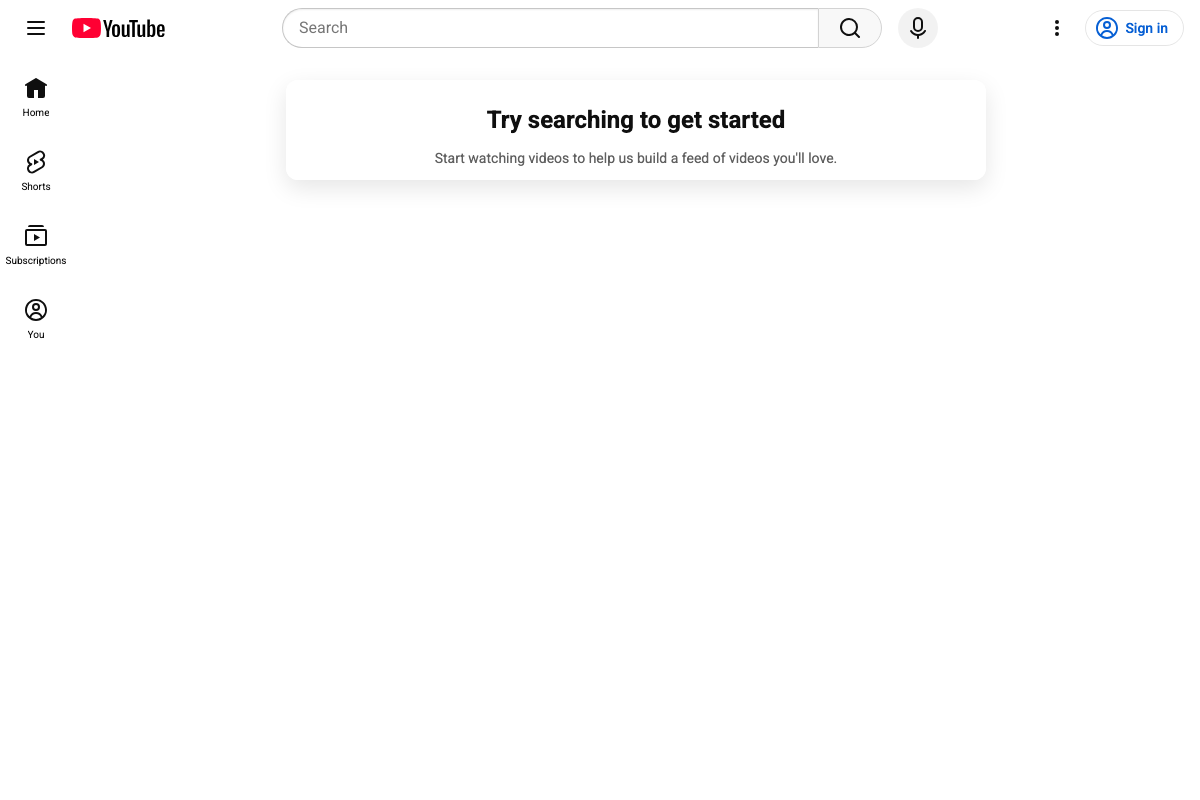
On YouTube, the current navigation includes Shorts as a dedicated content surface alongside standard video. If your cross-posted content is under 60 seconds, Shorts represents a distinct distribution format the tutorial does not address — worth building into your Step 3 workflow.
Step 4 — Treat each platform’s followers as a mini email list.
No official documentation was found for this step — proceed using the video’s approach and verify independently.
Step 5 — Use a lead magnet to move followers onto your email list.
No official documentation was found for this step — proceed using the video’s approach and verify independently.
Step 6 — Announce product launches across email and all social channels simultaneously.
No official documentation was found for this step — proceed using the video’s approach and verify independently.
Step 7 — Stop identifying as a blogger.
No official documentation was found for this step — proceed using the video’s approach and verify independently.
Step 8 — Build a product that solves a real problem.
The video frames this step narrowly: your product should solve a problem, save time, or save money. Audible’s current catalog tells a more complete story.
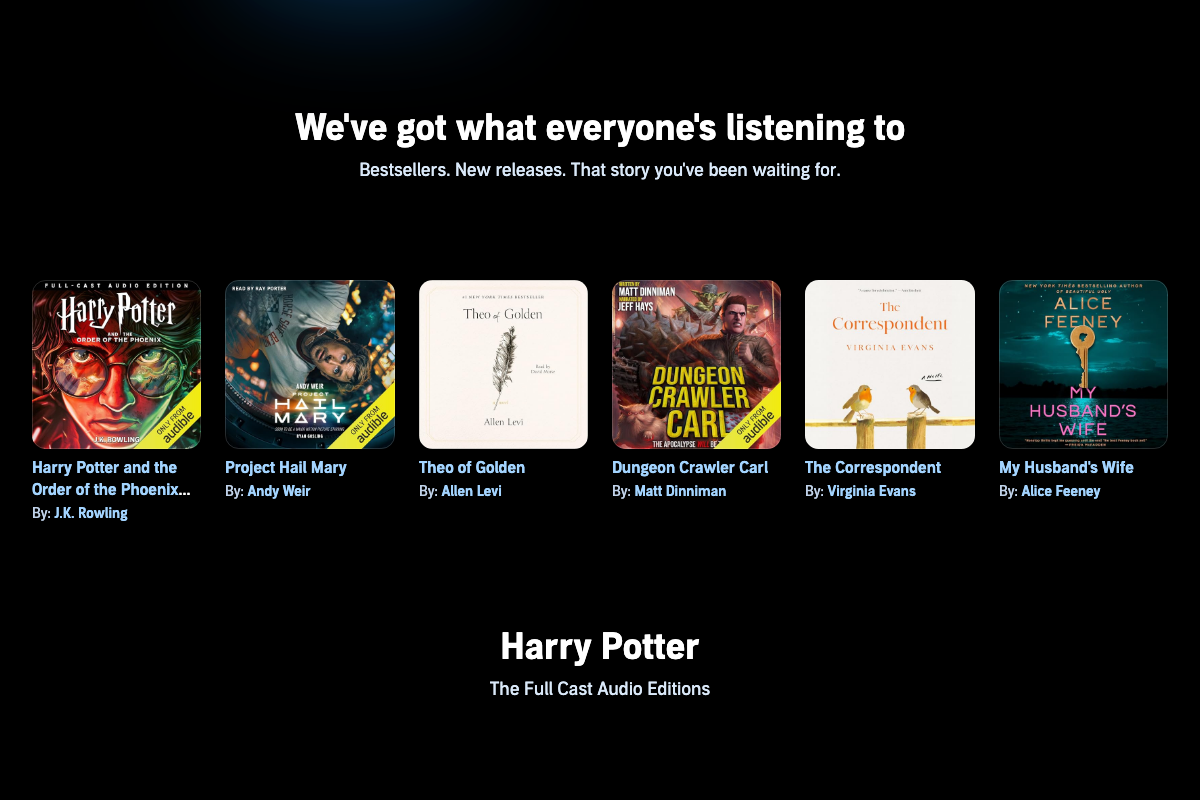
Audible’s bestseller list includes Harry Potter, Project Hail Mary, and Dungeon Crawler Carl alongside self-help titles — entertainment and fiction drive significant volume. The problem-solving framing isn’t wrong, but it undersells the range. If your niche audience has appetite for storytelling, deep-dives, or immersive content, audio products succeed there too.
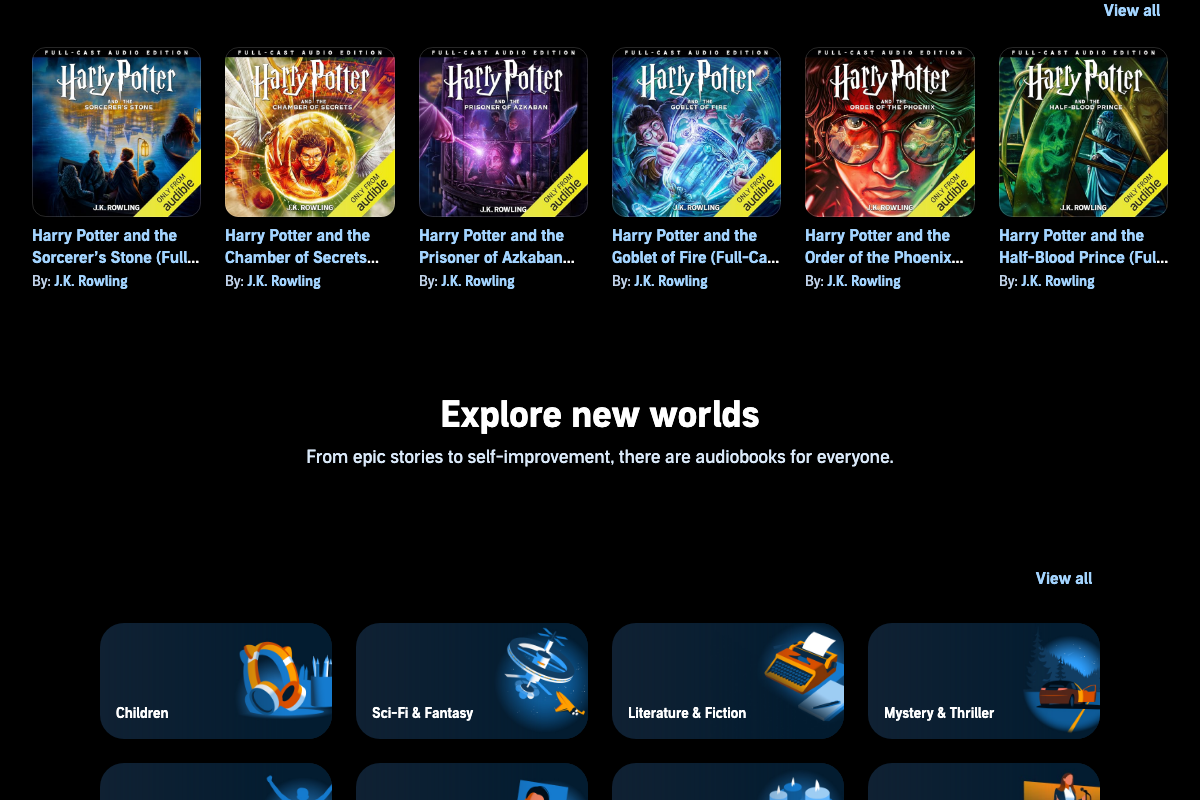
That said, Audible does explicitly surface self-improvement as a named category in its browse interface, which directly validates the tutorial’s core premise for non-fiction creators.
Useful Links
- ChatGPT — OpenAI’s ChatGPT platform; Projects feature requires login and a paid Plus, Pro, or Team subscription.
- Facebook — Meta’s social platform and primary cross-posting destination; posting and Page management tools require authentication.
- YouTube — Google’s video platform; includes YouTube Shorts as a dedicated short-form content surface alongside standard video uploads.
- Audible — Amazon’s audiobook and podcast subscription marketplace; $8.99/month after 30-day free trial, with self-improvement as an explicitly named content category.


0 Comments