


Web3 is turning gamification into ownership.
For the first time, customers don’t just earn rewards—they own them.
Gamification has a trust problem. For years, brands controlled the points, changed the rules, and quietly devalued rewards. Customers participated—but never possessed. In 2026, Web3 gamification flips that power dynamic, transforming loyalty from a company-controlled ledger into portable, verifiable ownership.
This guide explains how blockchain, NFTs, tokens, and decentralized governance are reshaping gamification; what’s working now (not hypotheticals); and how brands can adopt Web3 mechanics without alienating mainstream users.
Executive Summary: Why Web3 Changes the Game
Traditional gamification is permissioned:
- Brands mint points
- Brands set rules
- Brands revoke value
Web3 gamification is permissionless:
- Rewards are on-chain
- Ownership is user-held
- Value can persist beyond the brand
In 2026, early movers aren’t chasing hype—they’re solving real problems:
- Trust erosion in loyalty programs
- Reward devaluation fatigue
- Platform lock-in risk
- Community disengagement
Web3 introduces scarcity, portability, and governance—the three ingredients that turn participation into commitment.
1) The Core Problem: Loyalty Without Ownership
Ask customers what happens to their points if:
- The program changes
- The brand exits a market
- The rules are updated
The answer is usually: they disappear.
This fragility suppresses engagement. Why invest time in a system you don’t own?
Web3 addresses this by making rewards durable assets.
2) What Web3 Gamification Actually Is (and Isn’t)
Web3 gamification is not:
- Crypto speculation
- Tech-first experiences
- Wallet-only access
It is:
- Blockchain-backed rewards
- Digital assets with utility
- Community-aligned incentives
Core Web3 Gamification Primitives
| Primitive | What It Enables | Why It Matters |
|---|---|---|
| NFTs | Verifiable achievements | Ownership + status |
| Tokens | Transferable rewards | Real value |
| Smart contracts | Automated rules | Trust |
| DAOs | Shared governance | Community alignment |
3) NFT Badges: From Vanity to Value
NFT badges evolve badges from icons into assets.
Why NFT Badges Work
- They’re provably scarce
- They persist across platforms
- They can unlock real benefits
Use cases include:
- Access passes
- Tier verification
- Event entry
- Community status
Badges stop being decorative and start being functional.
4) Tokenized Rewards: When Points Become Currency
Tokenized rewards solve the biggest loyalty pain point: devaluation.
Advantages of Tokenized Rewards
- Transparent supply
- Tradeable (where appropriate)
- Programmable utility
- Interoperable across ecosystems
When users can hold or use rewards elsewhere, motivation increases dramatically.
5) Play-to-Earn (P2E) — Reimagined for Brands
Early P2E failed by emphasizing speculation over engagement. In 2026, brands use play-to-earn-lite models focused on value creation.
Sustainable P2E Design Principles
- Earn through contribution, not clicks
- Rewards tied to real utility
- Controlled inflation
- Clear exit paths
Participation feels productive—not extractive.
6) Decentralized Governance: Loyalty as Co-Ownership
DAOs allow communities to:
- Vote on reward rules
- Propose new challenges
- Allocate budgets
This transforms loyalty from:
“Follow our rules”
to
“Help shape the system.”
Governance increases commitment because voice creates responsibility.
7) Case Studies: Web3 Gamification in Action

Starbucks Odyssey
Starbucks Odyssey uses:
- NFT-based journey stamps
- On-chain verification
- Experiential rewards
Users own proof of participation—without needing crypto expertise.
Nike .SWOOSH
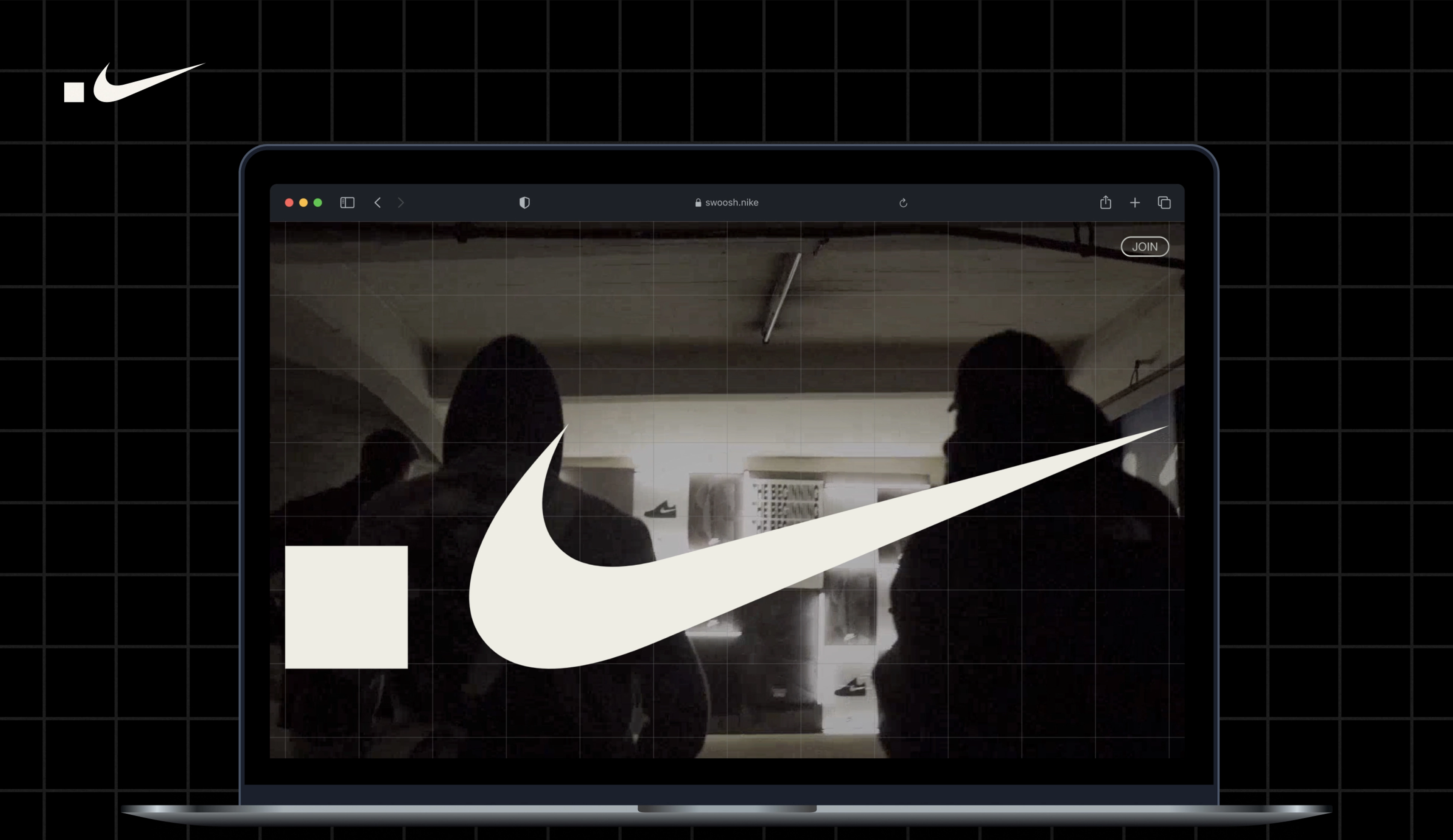
Nike’s Web3 platform:
- Tokenizes digital apparel
- Rewards community participation
- Links digital status to physical access
Gamification becomes identity ownership.
Adidas
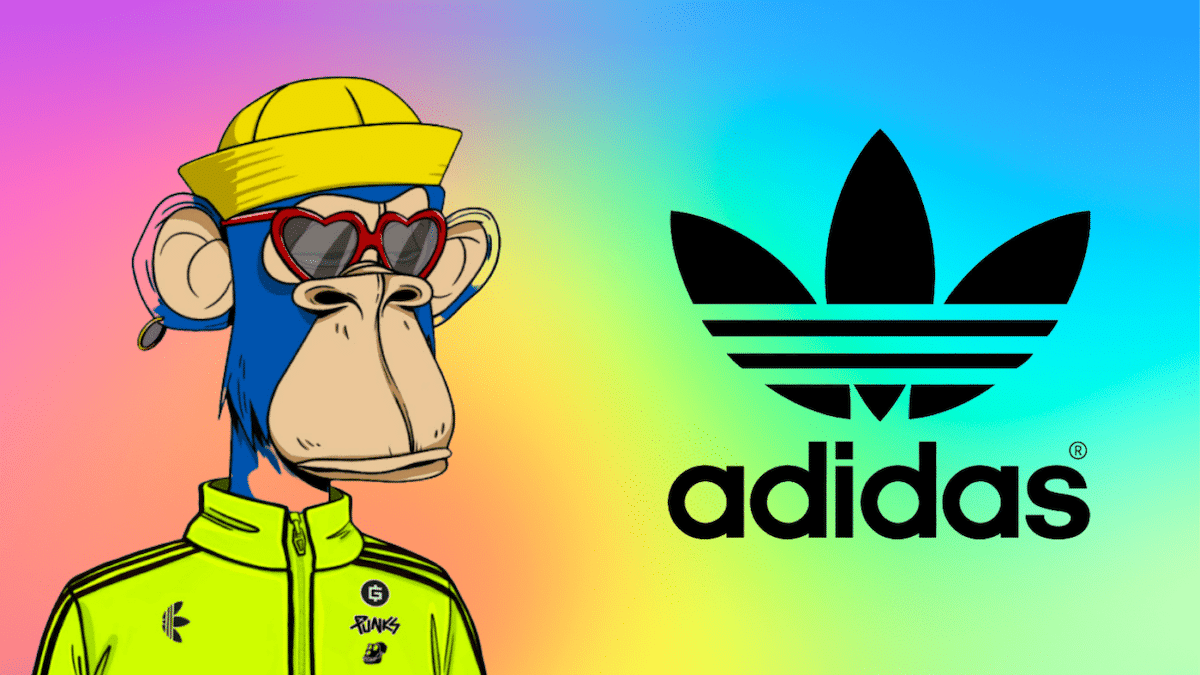
Adidas NFTs unlock:
- Exclusive products
- Events
- Community access
Ownership extends beyond a single campaign.
Axie Infinity
Axie proved P2E demand—but also the risks of speculation-first design. Brands learned to prioritize utility and sustainability.
8) Designing Web3 Gamification Without Alienating Users
Mainstream adoption requires abstraction.
Best Practices
- Custodial wallets by default
- Optional self-custody
- Fiat onramps
- Clear value explanations
Users should experience benefits before understanding the tech.
9) Measuring ROI in Web3 Gamification
Web3 doesn’t eliminate metrics—it refines them.
Web3-Specific KPIs
| Metric | Why It Matters |
|---|---|
| Asset retention | Indicates ownership value |
| Secondary usage | Signals real utility |
| Governance participation | Community health |
| Cross-platform engagement | Portability payoff |
| LTV uplift | Business impact |
Ownership changes behavior—but it still must perform.
10) Risks and Realities (No Hype)
Web3 gamification isn’t magic.
Real Challenges
- Regulatory uncertainty
- UX complexity
- Volatility risk
- Education gaps
The brands that win treat Web3 as infrastructure, not spectacle.
Final Takeaway
Gamification is evolving from engagement to ownership.
In 2026, the most powerful question isn’t:
“How do we motivate customers?”
It’s:
“What are we willing to let them own?”
Because when players own the game,
they stop leaving—and start building.


0 Comments