


Points and badges? That’s not gamification—that’s lazy marketing.
Real gamification is experience design rooted in psychology, data, and purpose. In 2026, brands that still decorate funnels with game stickers will lose to brands that design journeys people want to finish.
Executive Summary (Why This Matters in 2026)
Gamification has reached an inflection point. The early era—points, badges, leaderboards—created novelty but rarely durable value. In 2026, customer expectations are shaped by mobile-first habits, adaptive AI, and subscription fatigue. People don’t want gimmicks; they want progress, meaning, and recognition.
This guide delivers a practical, research-backed framework to design gamified experiences that drive real loyalty outcomes—repeat purchase, higher LTV, advocacy—without manipulation. You’ll learn:
- Why most “gamification” fails (and how to avoid rhetorical gamification)
- The psychological needs that actually sustain engagement
- How to map game mechanics to business outcomes
- What world-class brands do differently (with concrete examples)
- A step-by-step blueprint you can implement in 2026
1) The Problem with Modern Gamification: Rhetorical vs. Real
Rhetorical Gamification (What Fails)
Most programs add a thin layer of game elements—points, badges, leaderboards—without aligning them to user motivation or business value. The result is short-lived engagement and long-term distrust.
Symptoms
- High opt-ins, low redemption
- Leaderboards dominated by a few power users
- Points inflation with no perceived value
- Engagement spikes that quickly decay
Why it fails: It treats symbols of games as games themselves.
Real Gamification (What Works)
Real gamification designs systems that satisfy psychological needs while moving measurable business metrics.
- Psychology-first (not UI-first)
- Journey-based (not transactional)
- Adaptive (not static)
- Outcome-mapped (not vanity metrics)
2) The Psychology That Actually Drives Engagement
Every effective game mechanic satisfies a human need. Miss the need, and the mechanic collapses.
The Four Psychological Pillars
A. Autonomy (Choice & Agency)
People engage longer when they choose how to play. Forced paths feel manipulative; optional paths feel empowering.
- Branching challenges
- Optional quests
- Multiple paths to completion
B. Competence (Progress & Mastery)
Humans are wired to seek improvement. Visible progress fuels persistence.
- Progress bars
- Levels and tiers
- Skill trees and streaks
The Goal-Gradient Effect: Motivation accelerates as people approach completion.
C. Relatedness (Belonging & Status)
Status isn’t ego—it’s social positioning. Done well, it creates community gravity.
- Cohorts
- Social proof
- Shared milestones
D. Anticipation (Surprise & Uncertainty)
Predictable rewards lose power. Variable rewards create obsession when used ethically.
- Mystery boxes
- Surprise unlocks
- Time-based reveals
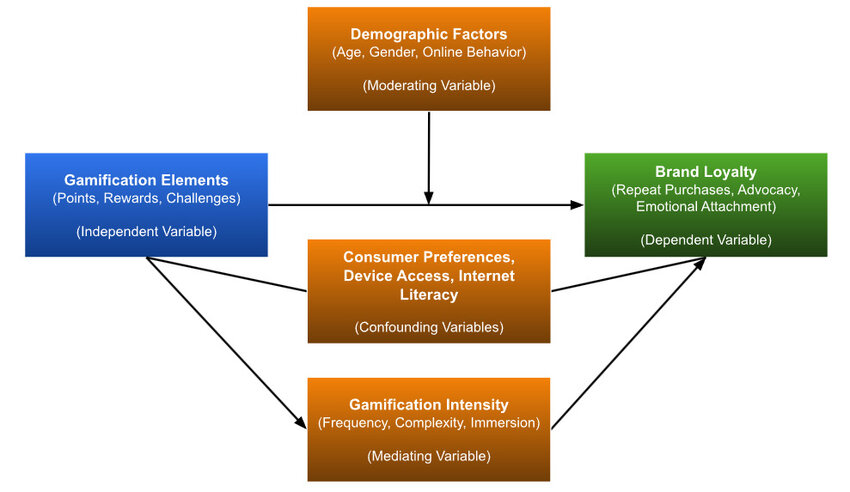
3) Mapping Game Mechanics to Business Outcomes
Gamification fails when it chases engagement divorced from revenue. In 2026, every mechanic must map to an outcome.
| Psychological Need | Game Mechanic | Business Outcome |
|---|---|---|
| Competence | Progress bars | Funnel completion |
| Autonomy | Choice paths | Higher conversion |
| Relatedness | Status tiers | Advocacy & referrals |
| Anticipation | Surprise rewards | Repeat purchase |
Example: Progress Bars That Convert
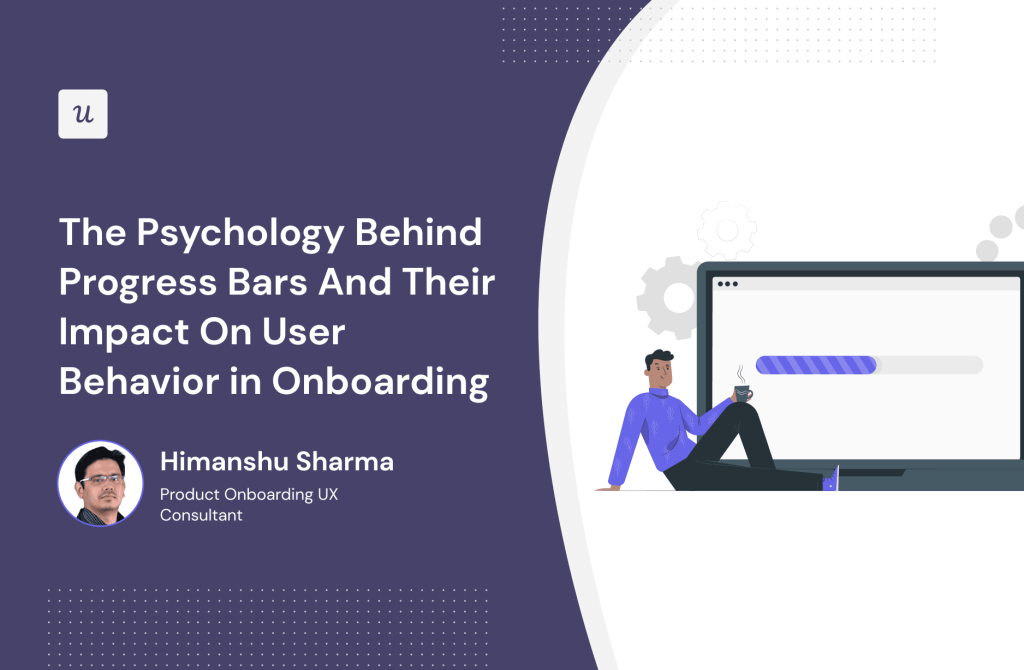
Progress bars work because humans hate incompletion (Zeigarnik Effect). Use them to:
- Finish onboarding
- Complete profiles
- Unlock benefits with one more action
4) Case Studies: Why the Best Programs Endure

McDonald’s Monopoly
- Not about prizes
- About impulse stacking and repeat visits
- Variable rewards + scarcity windows = habitual behavior
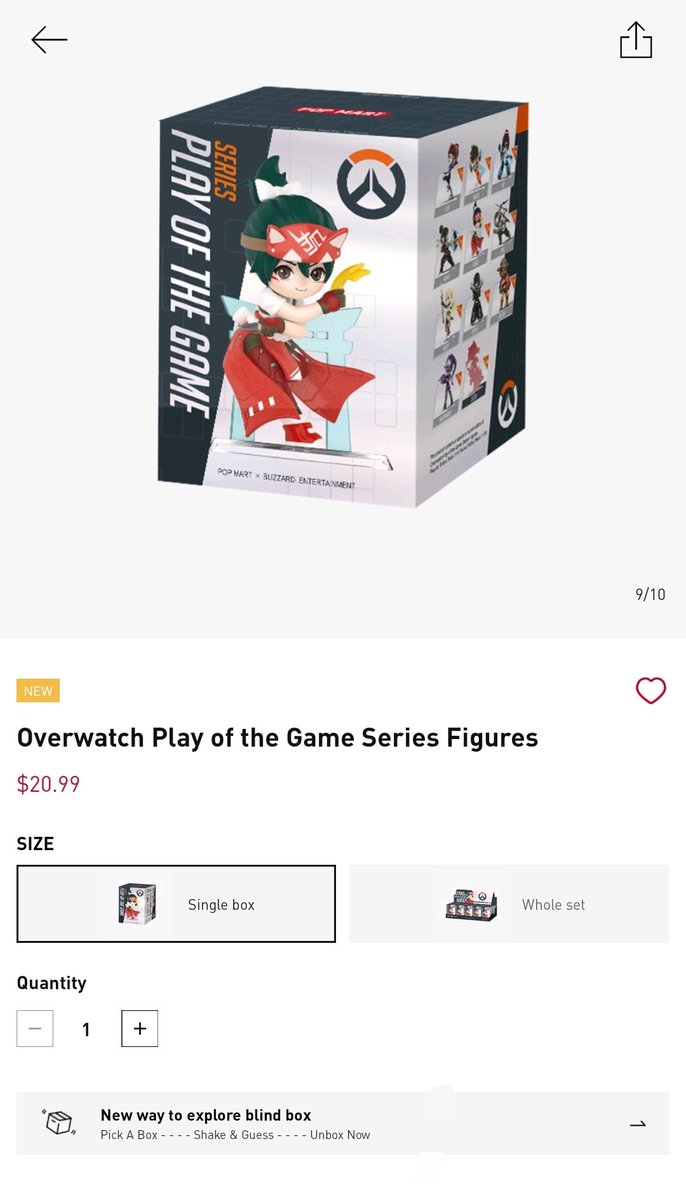
POP MART Blind Boxes
- Collection obsession beats discounts
- Completion psychology > monetary value
- App-based reveals amplify anticipation
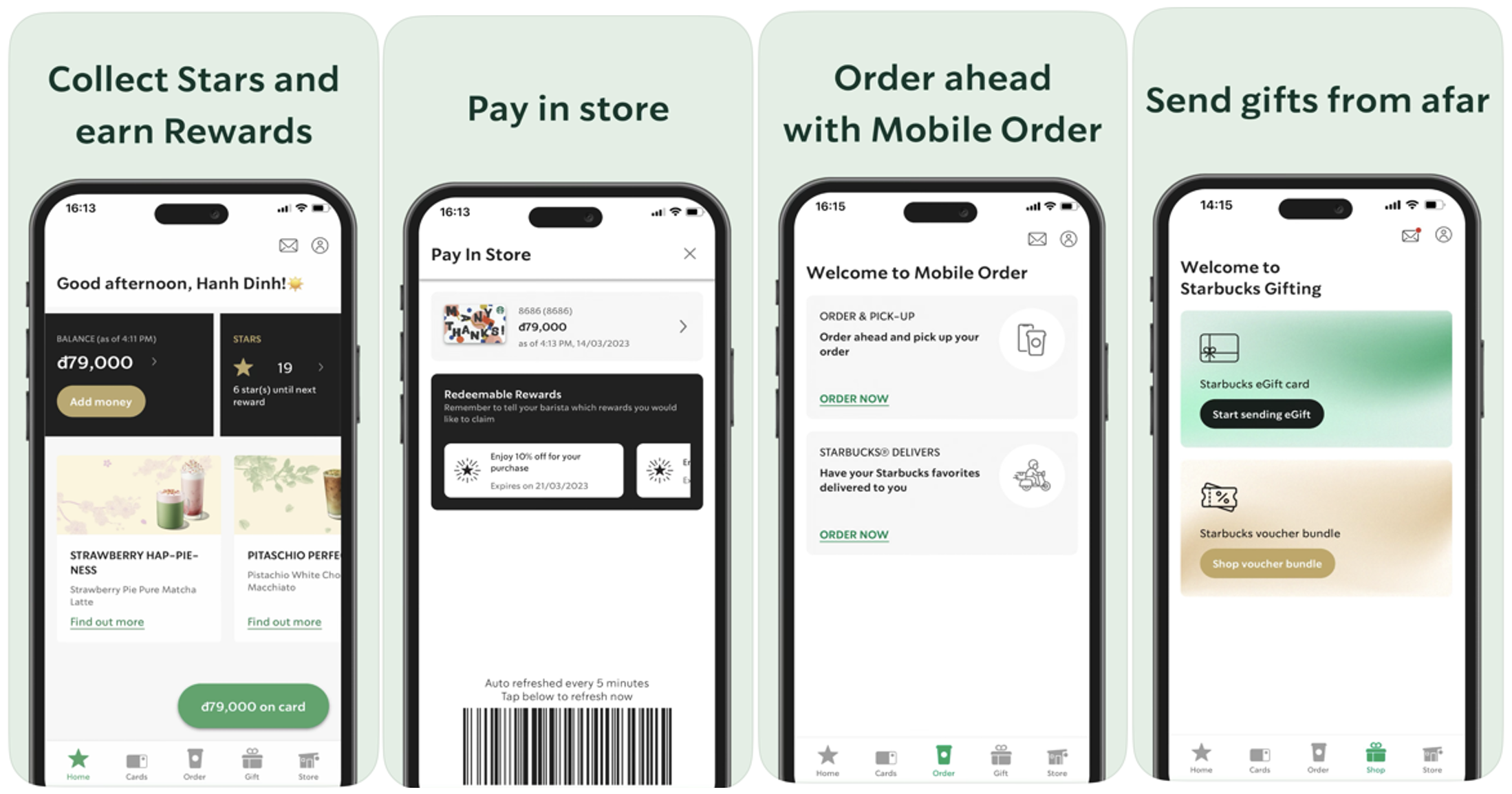
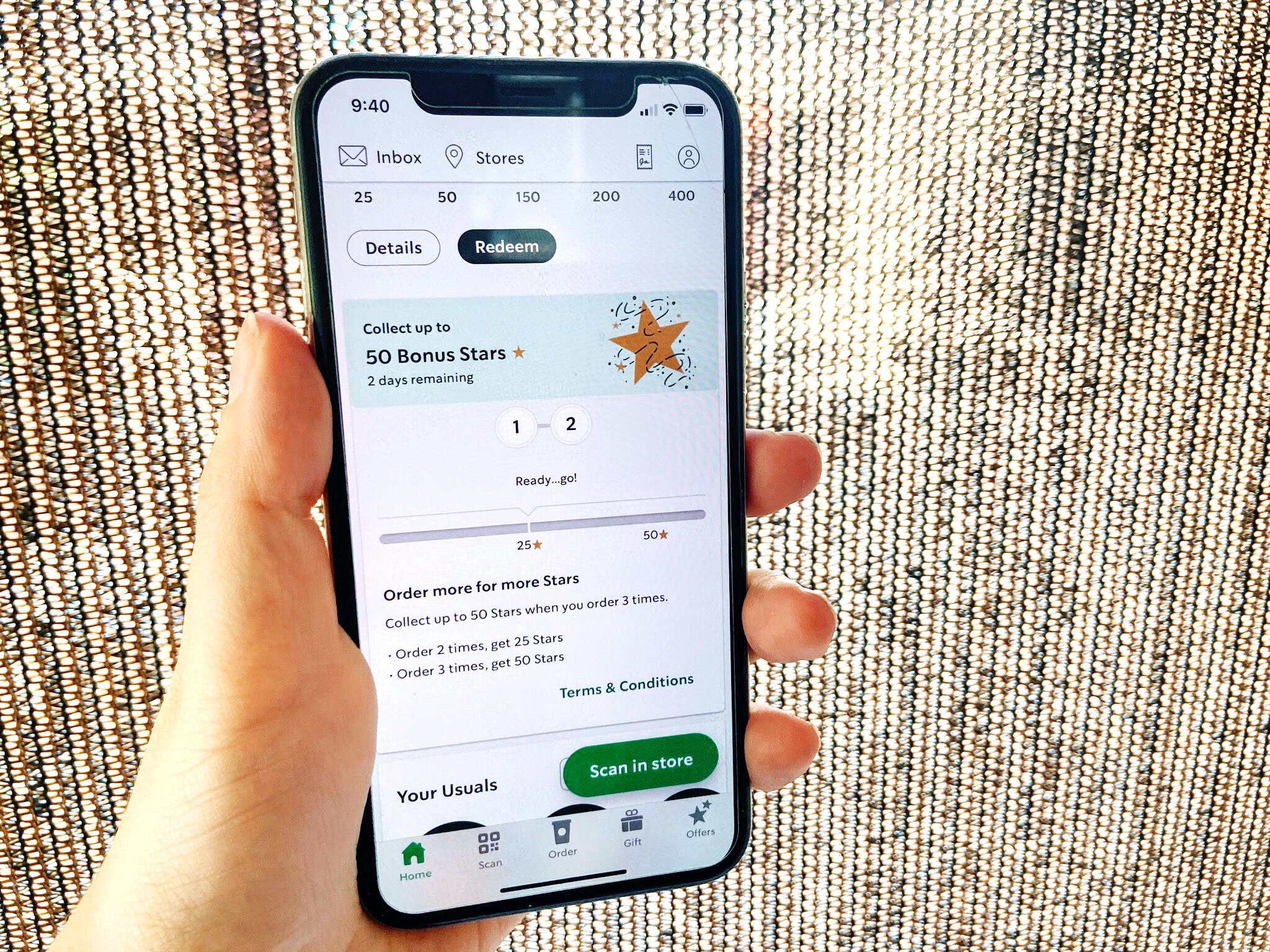
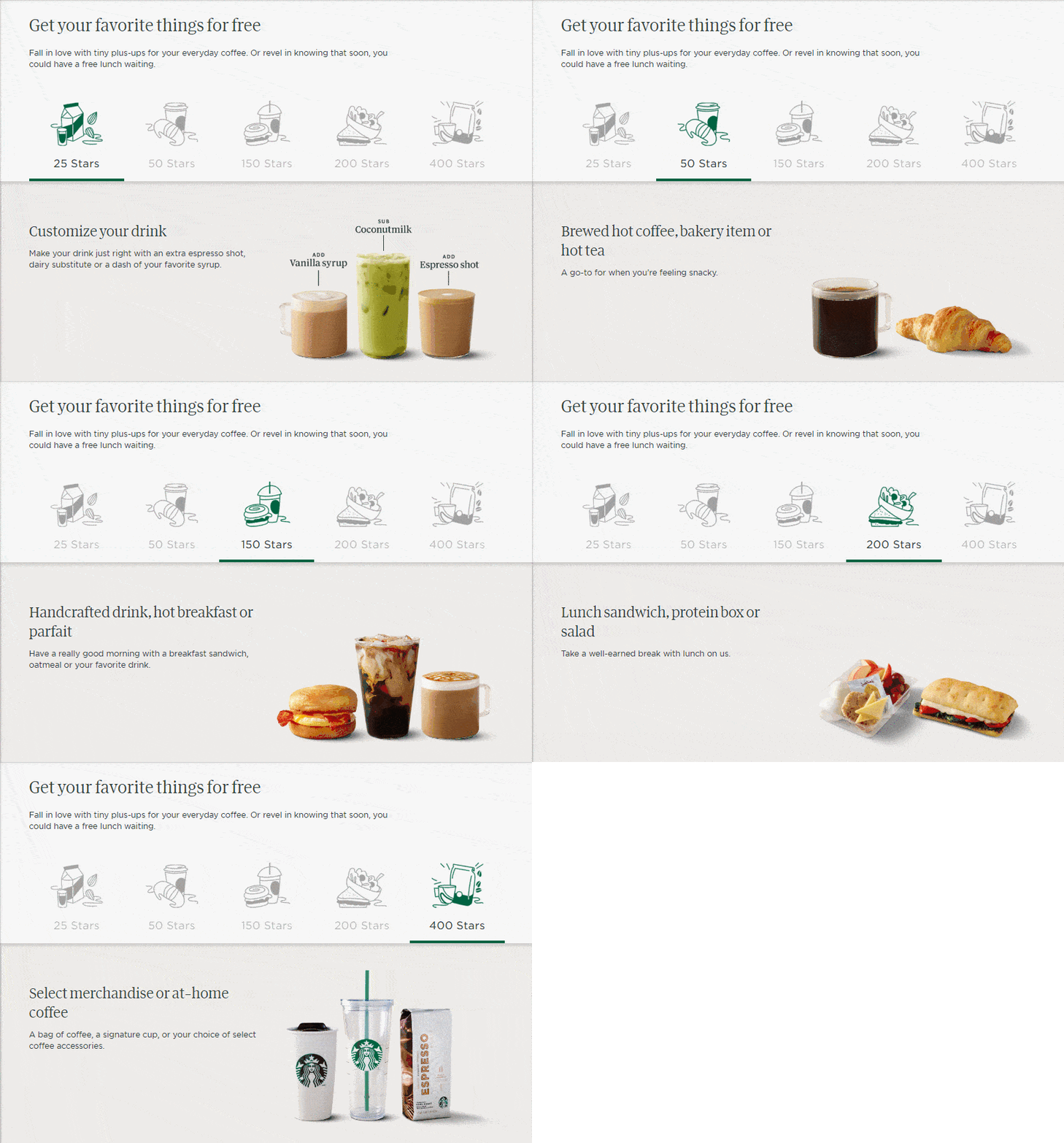
Starbucks Rewards
- Stars + cups + tiers = visible journey
- Seasonal resets create urgency
- Status is the real reward
Nike Run Club
- Identity reinforcement (“I’m a runner”)
- Progress = personal, not competitive
- Data becomes motivation, not surveillance
Duolingo
- Streaks + loss aversion
- Micro-wins over long sessions
- Humor lowers friction, increases retention
5) The 2026 Gamification Framework (Step-by-Step)
Step 1: Define the Core Behavior
What single behavior matters most?
- Repeat purchase?
- Feature adoption?
- Referral?
Design only around that.
Step 2: Identify the Psychological Driver
Is your audience:
- Competitive?
- Exploratory?
- Completion-driven?
One size fits none.
Step 3: Design the Journey (Not the Reward)
Map a beginning → middle → end.
- Onboarding
- Progression
- Mastery
Rewards should punctuate progress, not replace it.
Step 4: Instrument for Learning
Track:
- Drop-off points
- Time-to-next-action
- Completion velocity
Optimize the experience, not just the incentive.
6) Mobile-First or Nothing
In 2026, gamification that isn’t mobile-native is invisible.
Mobile Design Principles
- Thumb-first interactions
- One-tap actions
- Push notifications tied to meaningful moments
- Offline progress sync
Micro-Sessions Win
Design for 30–90 second wins.
- Check progress
- Claim reward
- Take one action
Long sessions are optional—not required.
7) Ethical Gamification (Yes, It Matters)
Dark patterns destroy trust and brand equity.
Avoid:
- Artificial scarcity
- Hidden penalties
- Pay-to-progress traps
Design for:
- Transparency
- User control
- Real value exchange
Ethical gamification outperforms manipulation long-term.
8) KPIs That Actually Matter
Forget vanity metrics. Track:
- Engagement Depth (actions per session)
- Completion Rates (journey finish)
- Return Velocity (time to next visit)
- LTV Uplift (with/without gamification)
- Advocacy Signals (shares, referrals)
If it doesn’t move LTV, redesign it.
9) GEO / AIO / AEO Optimization Notes (Built-In)
This article is structured for:
- Generative Engine Optimization (GEO): Clear frameworks, entity grounding, examples
- AI Optimization (AIO): Explicit mappings, tables, definitions
- Answer Engine Optimization (AEO): Section headers answer common questions directly
Use internal links to:
- AI-powered personalization
- Mobile-first loyalty
- Tiered status psychology
10) The Bottom Line
Stop decorating funnels with game stickers.
Start designing experiences people want to complete.
In 2026, the brands that win won’t have the most points—they’ll have the best journeys.


0 Comments