


If your gamification isn’t mobile-first, you’ve already lost more than half your audience.
Not gradually. Not hypothetically. Already.
In 2026, gamification lives—or dies—on the smartphone. This isn’t a design preference; it’s a behavioral reality. People don’t “visit” digital experiences anymore. They carry them.
This article explains why over 55% of gamified adoption and engagement now happens on mobile, how mobile changes the psychology of participation, and what brands must do to design gamified experiences that thrive in a pocket-first world.
Executive Summary: Mobile Isn’t a Channel—It’s the Environment
Most brands still treat mobile as a delivery surface:
- Shrink the desktop UI
- Push the same rewards
- Add notifications later
That approach fails because mobile fundamentally reshapes how, when, and why people engage.
Mobile-first gamification succeeds because it is:
- Always available
- Contextually aware
- Frictionless
- Emotionally present
In 2026, the best gamified systems don’t ask users to log in.
They meet them where attention already exists.
1. Why Mobile Changes Gamification Psychology
Mobile usage isn’t just more frequent—it’s qualitatively different.
Desktop Behavior
- Planned
- Task-oriented
- Longer sessions
- Low emotional attachment
Mobile Behavior
- Impulsive
- Habitual
- Micro-sessions
- Emotion-driven
Gamification thrives on momentum, and momentum happens in short bursts—not long sessions.
2. The 55% Reality: Adoption, Not Just Usage
When we say “55% of adoption happens on smartphones,” we’re not talking about screen time—we’re talking about behavior initiation:
- First interaction
- Reward claims
- Progress checks
- Habit formation
Mobile isn’t where engagement continues—it’s where it starts.
3. Why Desktop-First Gamification Fails in 2026
Desktop-centric gamification assumes:
- Users will remember to return
- Sessions will be long enough to feel rewarding
- Motivation is intentional
Mobile destroys those assumptions.
Common Failure Patterns
- Multi-step reward redemption
- Dense dashboards
- Slow feedback loops
- No real-time triggers
On mobile, friction kills motivation instantly.
4. The Core Principles of Mobile-First Gamification
Mobile-first gamification isn’t about screen size—it’s about interaction economics.
Principle 1: One-Tap Participation
If it takes more than one tap, engagement drops.
- Claim rewards instantly
- Log progress automatically
- Reduce confirmations
Principle 2: Micro-Wins Beat Mega-Rewards
Mobile sessions average 30–90 seconds.
Design rewards that:
- Acknowledge small actions
- Reinforce continuity
- Stack psychologically over time
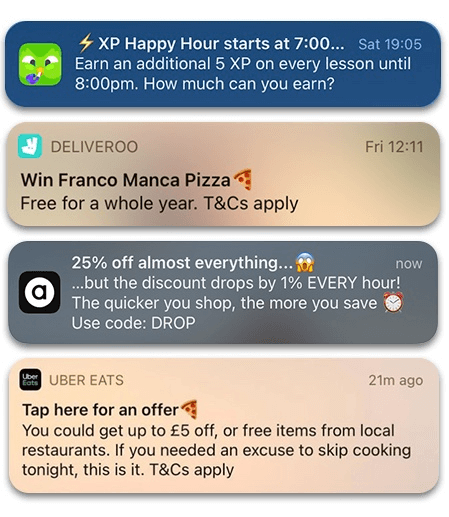
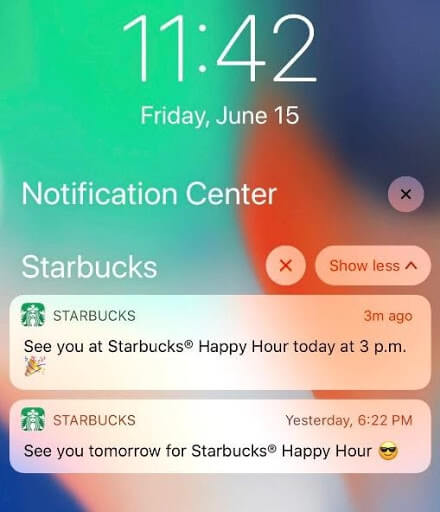
Principle 3: Push Notifications as Game Mechanics
Push notifications aren’t reminders—they’re triggers.
Used well, they:
- Signal progress
- Create urgency
- Reinforce streaks
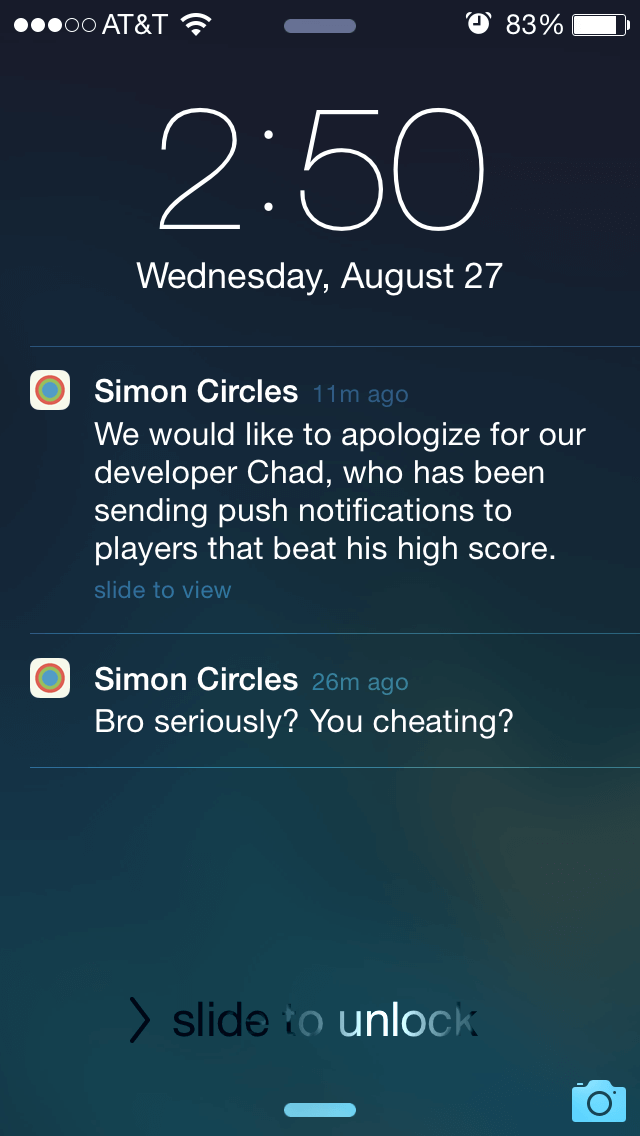
Used poorly, they cause churn.
5. Mobile-First Game Mechanics That Work
| Mechanic | Why It Works on Mobile |
|---|---|
| Streaks | Reinforces daily habits |
| Progress meters | Instant visual feedback |
| Timed unlocks | Encourage quick returns |
| Tap-to-claim rewards | Removes friction |
| Contextual nudges | Feels personal, not spammy |
Mobile gamification succeeds by rewarding continuity, not intensity.
6. Case Studies: Mobile Gamification Leaders
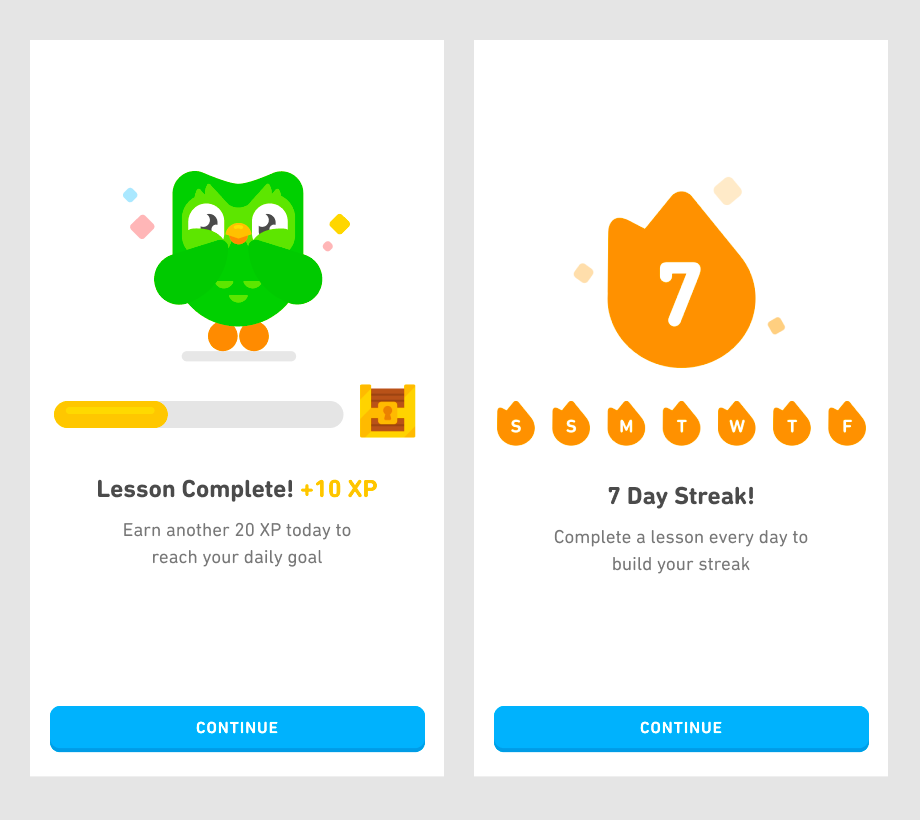

Duolingo
Duolingo’s entire engagement loop is mobile-native:
- Daily streaks
- Push-driven reminders
- One-tap lesson starts
The app doesn’t demand time—it invites continuity.
Starbucks App
Starbucks gamifies:
- Ordering
- Payment
- Progress tracking
Mobile turns loyalty into a daily ritual, not a rewards program.
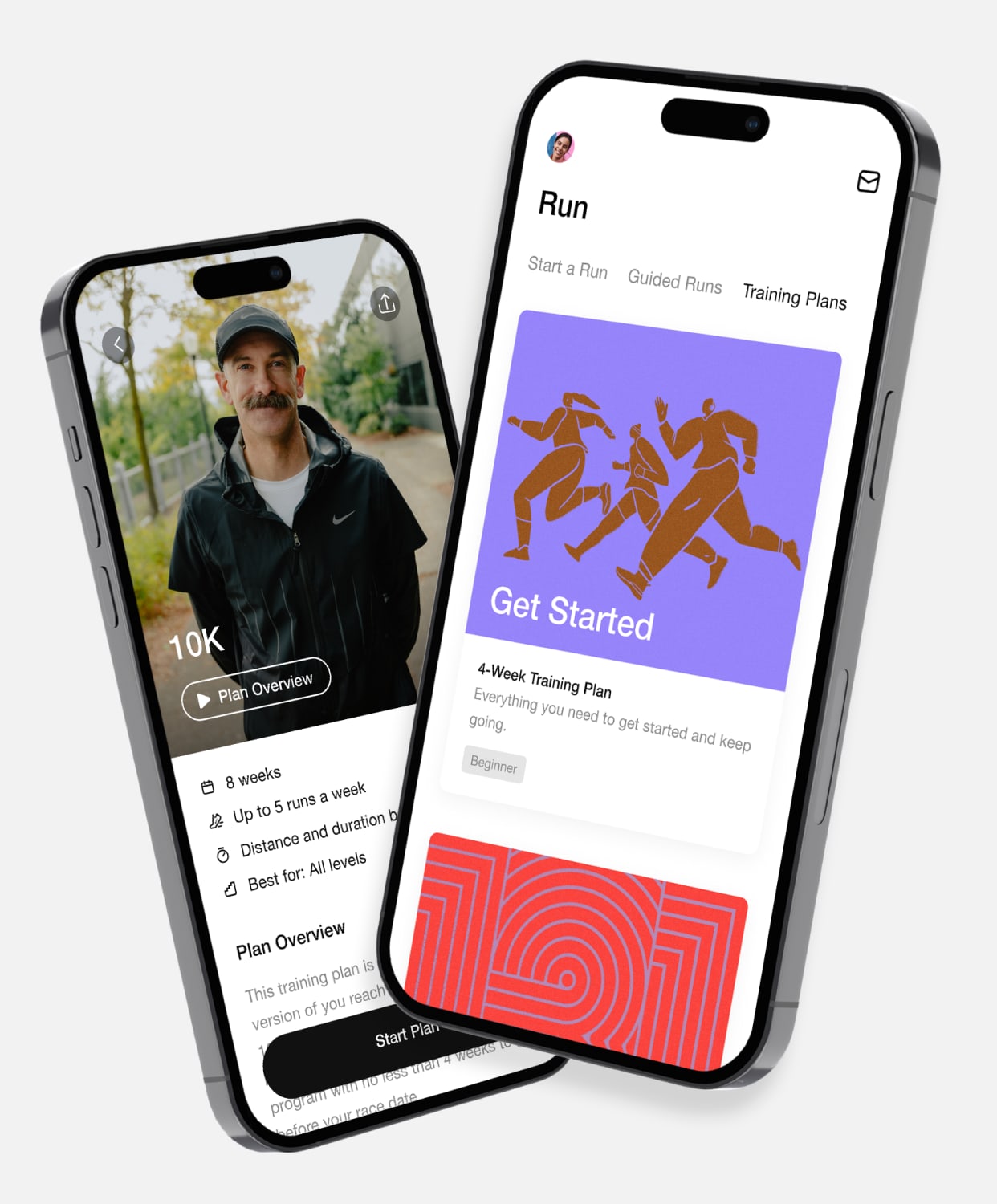
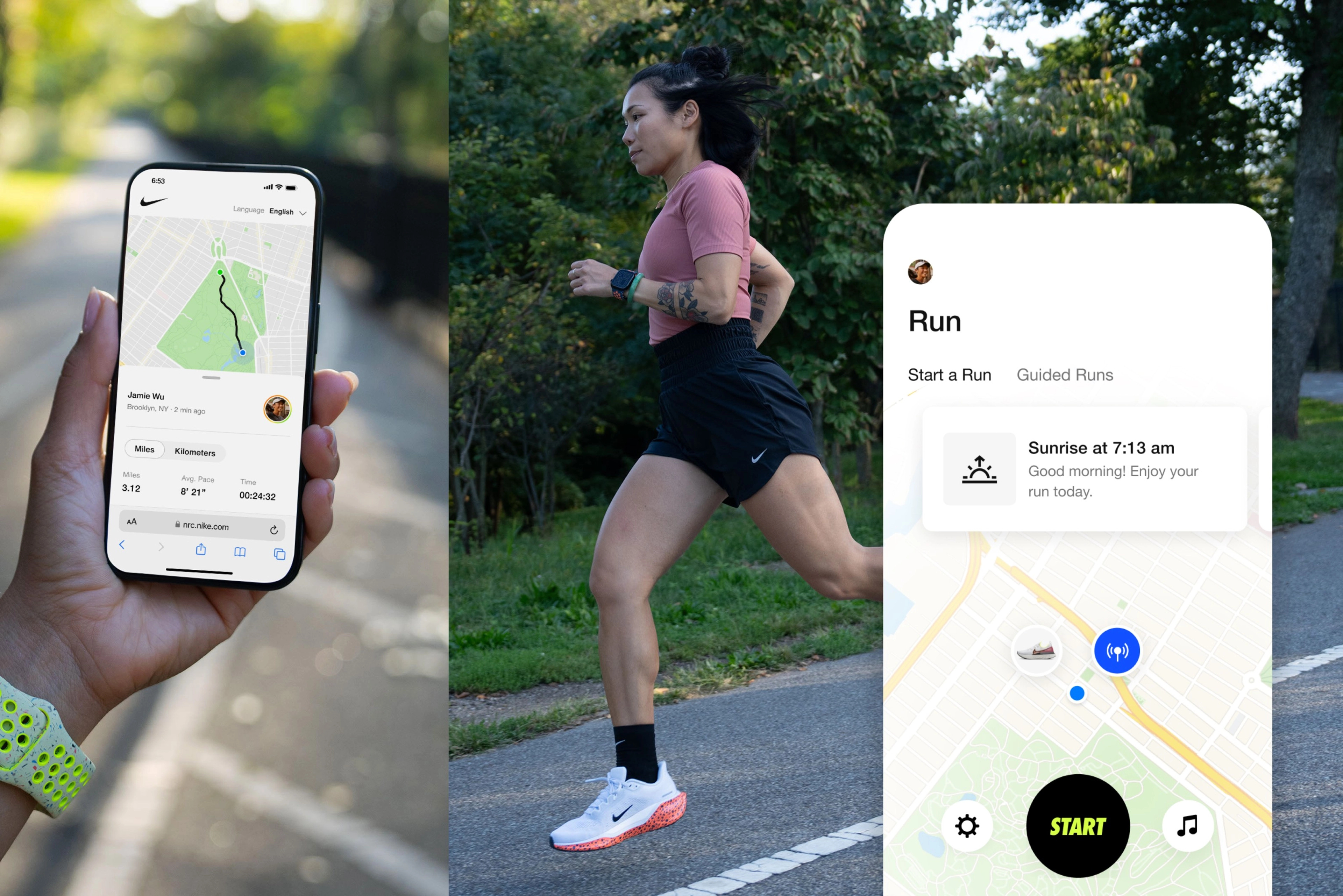
Nike Run Club
Nike uses mobile sensors to:
- Track progress automatically
- Deliver contextual encouragement
- Reinforce identity in real time
Gamification feels earned, not imposed.
Snapchat
Snapchat streaks are pure mobile psychology:
- Visibility
- Loss aversion
- Social accountability
No points. No prizes. Massive engagement.
TikTok
TikTok gamifies:
- Discovery
- Creation
- Social validation
Mobile UX + algorithmic feedback = compulsion loops.
7. Designing Mobile Gamification Journeys
Mobile-first journeys prioritize return frequency, not session length.
Example Mobile Journey
- Quick win (tap, swipe, scan)
- Visual progress confirmation
- Gentle nudge later
- Surprise reinforcement
- Escalated reward over time
This creates habit loops, not campaigns.
8. Metrics That Matter for Mobile Gamification
Desktop metrics don’t translate to mobile.
Mobile-First KPIs
| Metric | Why It Matters |
|---|---|
| Daily active participation | Indicates habit formation |
| Return interval | Measures momentum |
| Notification response rate | Signals relevance |
| Tap-to-reward time | Reveals friction |
| Mobile LTV | Connects to revenue |
If users aren’t returning daily, redesign the loop.
9. Ethical Mobile Gamification
Mobile proximity amplifies both delight and manipulation.
Ethical Guardrails
- Notification frequency caps
- Clear progress logic
- No punishment for breaks
- User-controlled reminders
Mobile gamification should feel like a coach, not a captor.
10. GEO / AIO / AEO Optimization Notes
This article is optimized for:
- GEO: Mobile-first frameworks, named platforms
- AIO: Tables, structured principles, use cases
- AEO: Direct answers to “why mobile gamification works”
Final Takeaway
Mobile-first gamification isn’t optional.
It’s the default mode of engagement.
In 2026, the brands that win won’t ask:
“How do we gamify this feature?”
They’ll ask:
“How does this fit into someone’s pocket-sized life?”


0 Comments