



Most loyalty programs suck.
Not because customers don’t like rewards—but because most programs misunderstand why people stay loyal in the first place.
“Buy 10, get 1 free” isn’t loyalty. It’s delayed discounting.
And in 2026, delayed discounts are invisible.
This guide is a full, end-to-end blueprint for designing gamified loyalty programs that drive real behavior change—higher retention, increased purchase frequency, stronger emotional attachment, and measurable lifetime value growth.
Executive Summary: Why Loyalty Programs Fail (and How Gamification Fixes Them)
Roughly 70% of loyalty programs show little to no meaningful engagement after initial signup. Customers enroll, forget, and never redeem. The problem isn’t incentives—it’s experience design.
Gamified loyalty programs succeed because they:
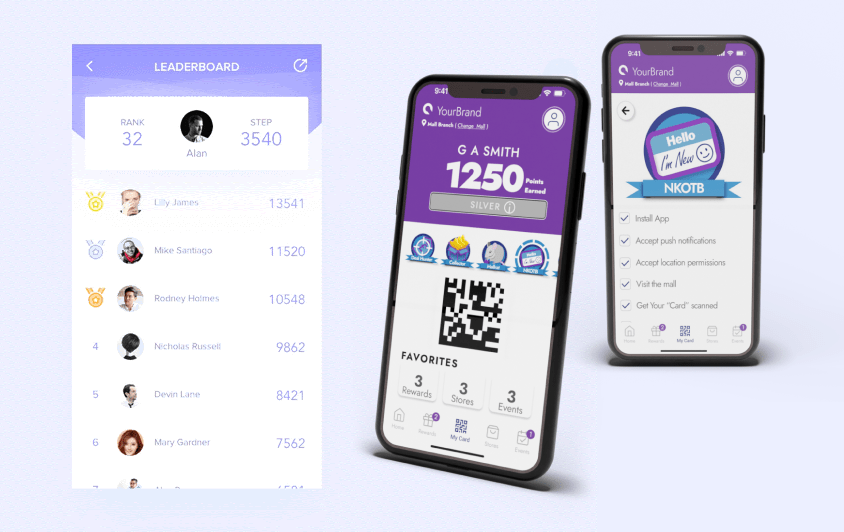
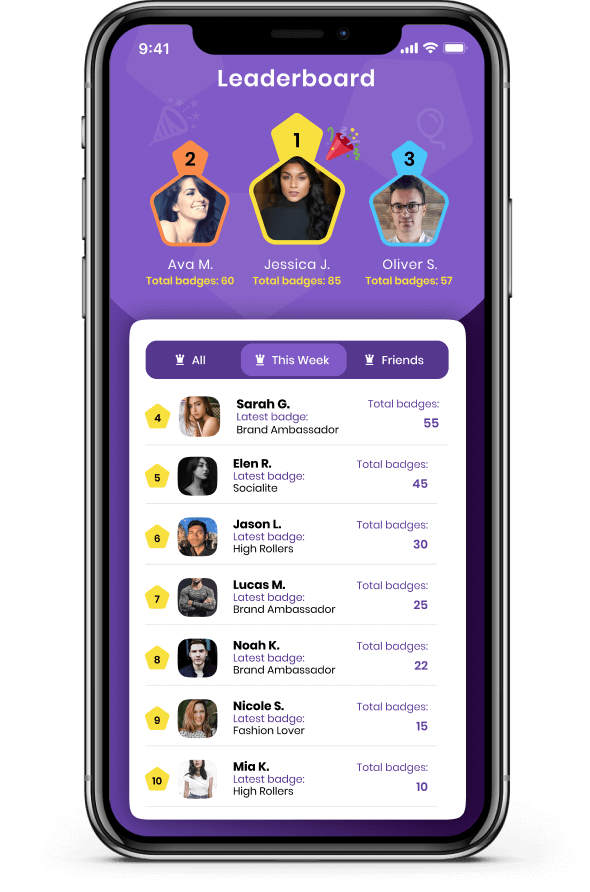
- Make progress visible
- Turn rewards into journeys
- Trigger psychological momentum
- Replace transactions with identity
In 2026, loyalty is no longer about earning rewards.
It’s about feeling like you’re leveling up with a brand.
1. The Structural Failure of Traditional Loyalty Programs
Traditional loyalty programs are built on three flawed assumptions:
- Customers are motivated primarily by savings
- Rewards must be predictable
- Loyalty is transactional
Each assumption collapses under behavioral research.
Why “Earn and Burn” Programs Die
- Points accumulate slowly
- Rewards feel distant
- Value is unclear
- Emotional payoff is zero
Customers don’t feel progress—they just wait.
2. Gamification Reframes Loyalty as a Journey
Gamified loyalty programs shift from:
“Earn rewards later”
to
“Progress now”
What Changes When You Gamify Loyalty
- Progress becomes immediate
- Participation feels voluntary
- Rewards signal status, not savings
- Engagement compounds over time
Gamification doesn’t replace rewards—it recontextualizes them.
3. The Psychology Behind Gamified Loyalty That Works
3.1 Visible Progress (The Goal-Gradient Effect)
People accelerate effort as they approach completion.
Progress bars, tier meters, and milestone indicators exploit this effect ethically by:
- Making advancement tangible
- Reducing uncertainty
- Encouraging “one more action”
3.2 Unlocking (Competence and Mastery)
Locked rewards activate curiosity and motivation.
Unlocking works because it:
- Signals achievement
- Creates anticipation
- Reinforces identity (“I earned this”)
3.3 Surprise (Variable Reinforcement)
Unexpected rewards outperform expected ones—when used sparingly.
Surprise:
- Breaks monotony
- Increases memorability
- Reinforces emotional loyalty
4. The Three Pillars of Gamified Loyalty Design
| Pillar | Function | Outcome |
|---|---|---|
| Visible Progress | Shows advancement | Higher engagement |
| Tiered Unlocks | Signals status | Increased spend |
| Surprise Rewards | Creates delight | Repeat visits |
Programs missing any pillar feel incomplete.
5. Designing the Loyalty Journey (Bronze → Mastery)
Gamified loyalty works best when structured as a narrative arc, not a reward ladder.
Example Journey Structure
| Stage | Psychological Focus | Experience Design |
|---|---|---|
| Entry | Curiosity | Quick wins |
| Growth | Competence | Clear progress |
| Status | Recognition | Tier benefits |
| Mastery | Identity | Exclusivity |
Each stage answers a different motivational need.
6. Case Studies: Gamified Loyalty Done Right
Starbucks Rewards
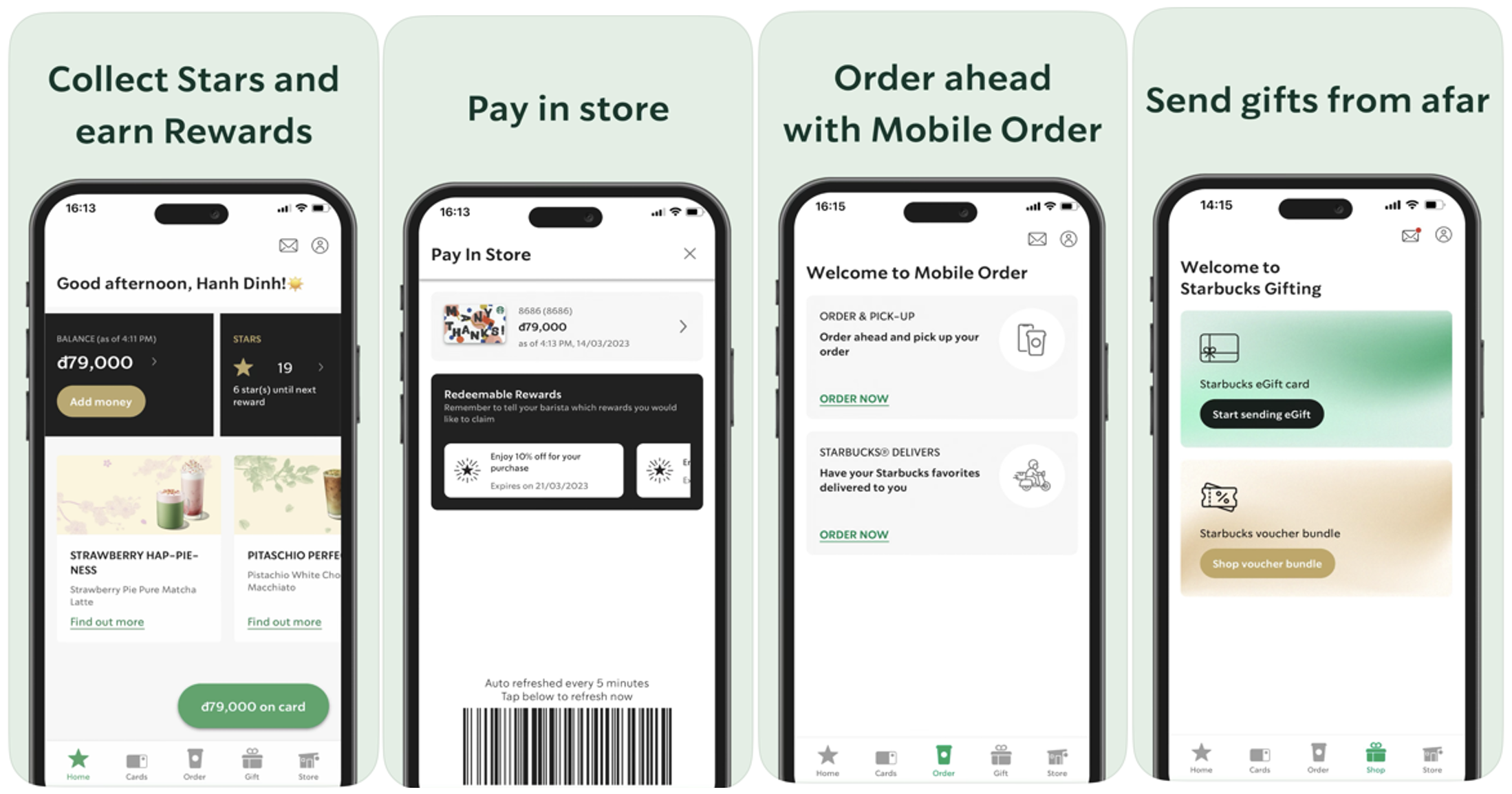
Starbucks transformed loyalty into a game of completion:
- Stars as progress units
- Cups as visual goals
- Tier resets creating urgency
Customers aren’t buying coffee—they’re finishing journeys.
Sephora Beauty Insider
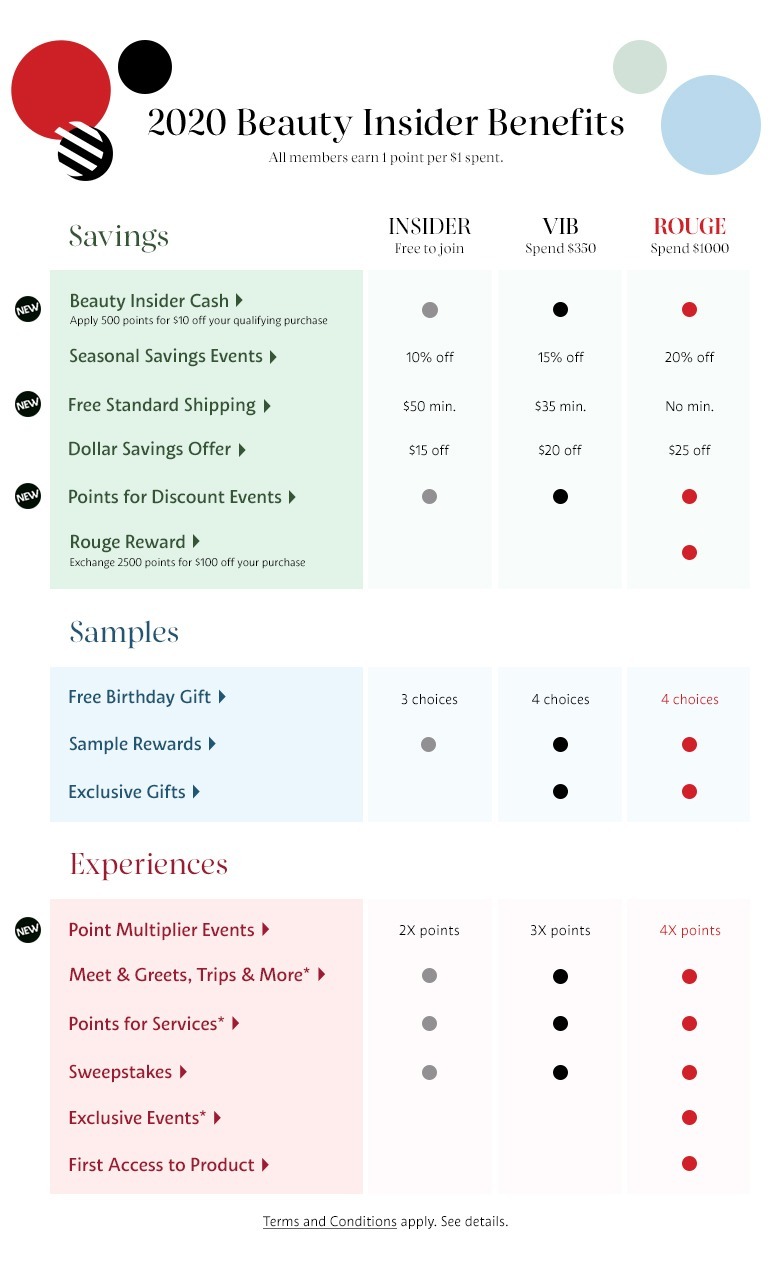
Sephora’s tiers unlock:
- Early access
- Exclusive experiences
- Status-based recognition
Discounts are secondary. Status is primary.
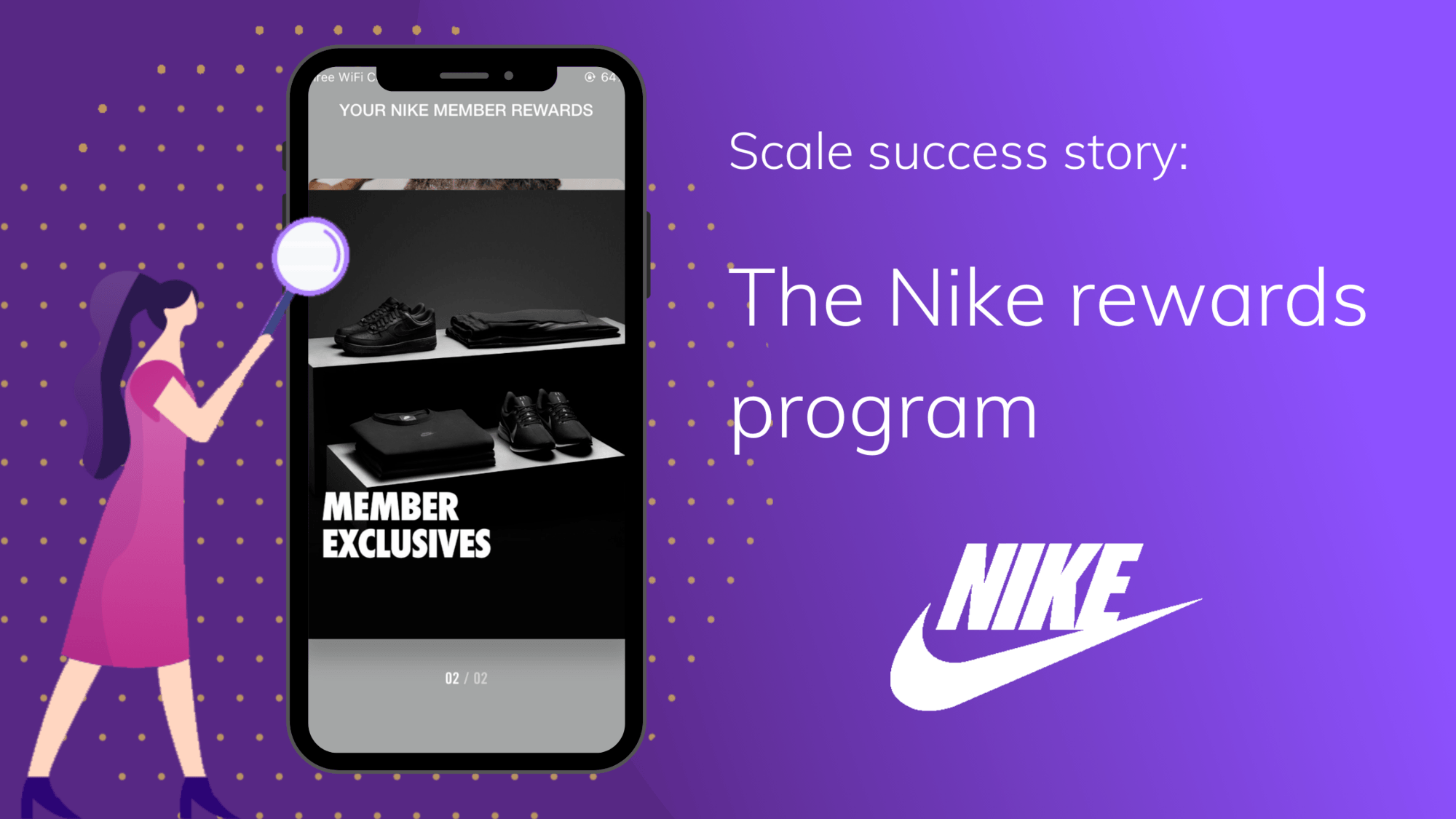
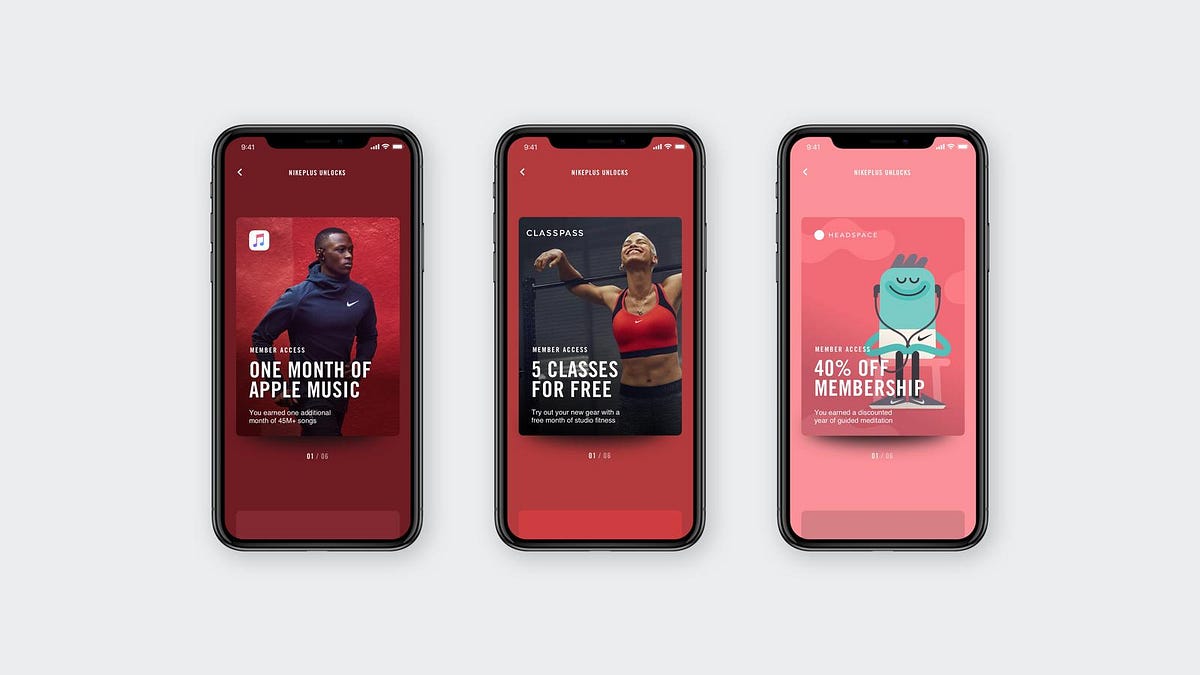
Nike Membership
Nike reframes loyalty as identity participation:
- Members access content, not coupons
- Progress reflects personal growth
- Rewards reinforce “athlete” identity
Amazon Prime
Prime is gamified convenience:
- Instant gratification
- Perceived exclusivity
- Habit formation
It’s not points—it’s psychological lock-in.
7. Metrics That Matter in Gamified Loyalty
Gamified loyalty programs should be measured differently.
Core KPIs
| Metric | Why It Matters |
|---|---|
| Active participation rate | Indicates engagement |
| Tier progression velocity | Measures momentum |
| Redemption diversity | Shows value clarity |
| Purchase frequency lift | Ties to revenue |
| LTV vs non-members | Proves ROI |
If customers don’t progress, the system is broken.
8. Mobile-First Execution (Non-Negotiable in 2026)
Gamified loyalty must live where behavior happens—on mobile.
Mobile Design Best Practices
- Thumb-friendly interactions
- One-tap reward claims
- Push notifications tied to progress
- Offline progress syncing
Mobile turns loyalty into a daily touchpoint, not a quarterly reminder.
9. Ethical Loyalty Design (Trust > Tricks)
Dark patterns kill loyalty faster than no program at all.
Ethical Guardrails
- Transparent earning rules
- No hidden devaluations
- Equal value across tiers
- Clear opt-outs
Gamified loyalty should feel inviting, not coercive.
10. GEO / AIO / AEO Optimization Notes
This article is optimized for:
- GEO: Clear frameworks, entities, case studies
- AIO: Structured tables and definitions
- AEO: Direct answers to “how to design loyalty programs”
Final Takeaway
Stop bribing customers with points.
Start inviting them into a journey.
In 2026, the most powerful loyalty programs won’t ask:
“How do we reward purchases?”
They’ll ask:
“How do we make progress feel irresistible?”


0 Comments