


AI just made gamification personal. And the results are insane.
In 2026, the brands winning customer loyalty aren’t adding more rewards—they’re building systems that adapt to each individual in real time.
Gamification is no longer about motivating users. It’s about motivating this user, right now, in this context. That shift—from static design to adaptive systems—is driven almost entirely by machine learning.
This article is a full, prose-style deep dive into how AI-powered gamification actually works, why it outperforms traditional loyalty mechanics, and how leading brands are already using it to drive measurable gains in engagement, retention, and lifetime value.
Executive Overview: Why AI Changes Gamification Forever
Traditional gamification assumes:
- One journey
- One reward structure
- One definition of motivation
AI-powered gamification rejects that assumption.
In 2026, machine learning enables:
- Dynamic challenge difficulty
- Personalized reward framing
- Real-time journey reconfiguration
- Predictive disengagement prevention
Instead of asking “What game mechanics should we use?”, leading organizations ask:
“What does this person need next to stay engaged?”
That question—and the ability to answer it algorithmically—is the difference between novelty and loyalty.
1. The Failure of Static Gamification Systems
Most gamification systems still rely on predefined rules:
- Everyone earns the same points
- Everyone sees the same leaderboard
- Everyone unlocks the same rewards
This design worked when digital experiences were scarce. In 2026, it fails because attention is hyper-competitive.
Why One-Size-Fits-All Gamification Breaks
Behavioral data consistently shows four dominant user archetypes:
- Competitive achievers
- Completion-oriented planners
- Exploratory browsers
- Low-friction casual users
Static systems force all four into the same structure—usually optimized for the first group.
Result:
High activity from 10–15% of users.
Silent disengagement from everyone else.
AI changes this by detecting motivation instead of assuming it.
2. What “AI-Powered Gamification” Actually Means
AI-powered gamification is not a buzzword. It refers to systems where machine learning models actively shape the game experience.
At a functional level, AI gamification systems:
- Observe behavioral signals continuously
- Cluster users by how they behave, not who they are
- Predict what mechanic will increase the next desired action
- Adapt the experience in real time
The system behaves less like a rewards engine and more like a game master.
3. The Data Foundation: Signals, Not Surveillance
AI personalization succeeds because it relies on interaction patterns, not invasive personal data.
Core Signal Categories
| Signal Type | Examples | Why It Matters |
|---|---|---|
| Behavioral | Session length, retries, pauses | Reveals engagement depth |
| Motivational | Competition vs exploration | Guides mechanic selection |
| Temporal | Time of day, frequency | Optimizes timing |
| Contextual | Device, lifecycle stage | Shapes delivery format |
Importantly, these signals are zero-party and first-party behavioral data, aligning with privacy expectations in 2026.
4. Machine Learning Models That Power Personalized Gamification
4.1 Behavioral Clustering Models
Rather than segmenting users by demographics, AI clusters them by behavioral similarity.
Typical clusters include:
- Fast completers
- Slow explorers
- Perfectionists
- Dabblers
Each cluster experiences different game mechanics—even within the same product.
4.2 Reinforcement Learning Engines
Reinforcement learning allows the system to test and learn which mechanic drives the desired outcome.
| Tested Variable | Example |
|---|---|
| Reward framing | Status badge vs surprise reward |
| Challenge type | Solo task vs social comparison |
| Timing | Immediate nudge vs delayed reminder |
The system optimizes per user, not per cohort.
4.3 Predictive Disengagement Models
AI models identify early disengagement signals:
- Increased hesitation
- Declining session depth
- Skipped challenges
When detected, the system intervenes automatically:
- Reducing friction
- Offering a shortcut
- Introducing novelty
5. Adaptive Difficulty: Keeping Users in the Flow State
Engagement collapses when challenges are either boring or overwhelming.
Adaptive difficulty is where AI gamification delivers its biggest gains.
How Adaptive Difficulty Works in Practice
- Repeated success → increased challenge complexity
- Repeated failure → simplified paths
- Hesitation → guided assistance
This keeps users in the flow state, where effort and reward feel balanced.
Why This Matters for Business
Adaptive systems:
- Reduce churn during onboarding
- Increase completion rates
- Shorten time-to-value
Static systems can’t do this. AI systems can.
6. Case Studies: AI-Driven Gamification in the Wild

Duolingo
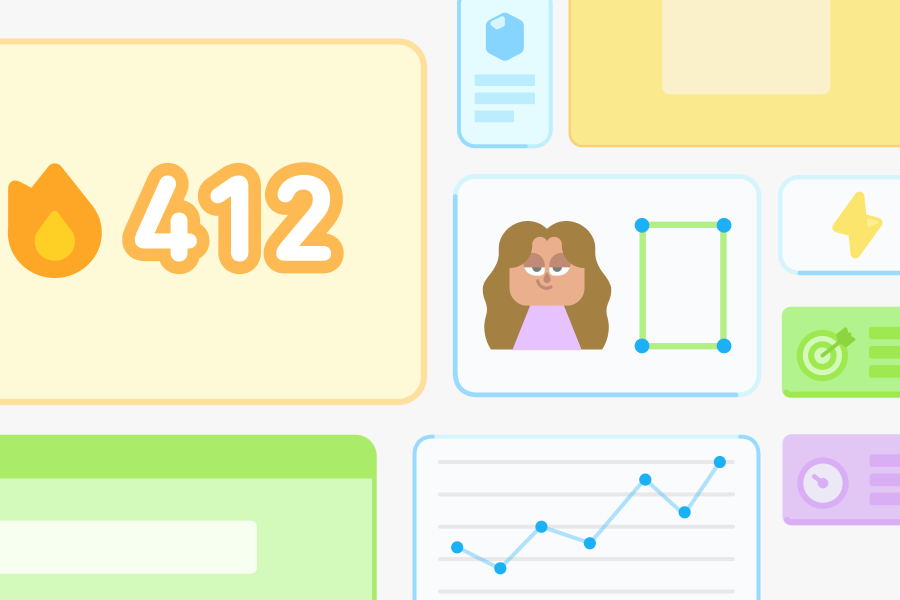
Duolingo uses adaptive models to:
- Adjust lesson difficulty in real time
- Personalize streak reinforcement
- Trigger loss-aversion selectively
The result is industry-leading retention in a notoriously difficult category.
Nike Run Club
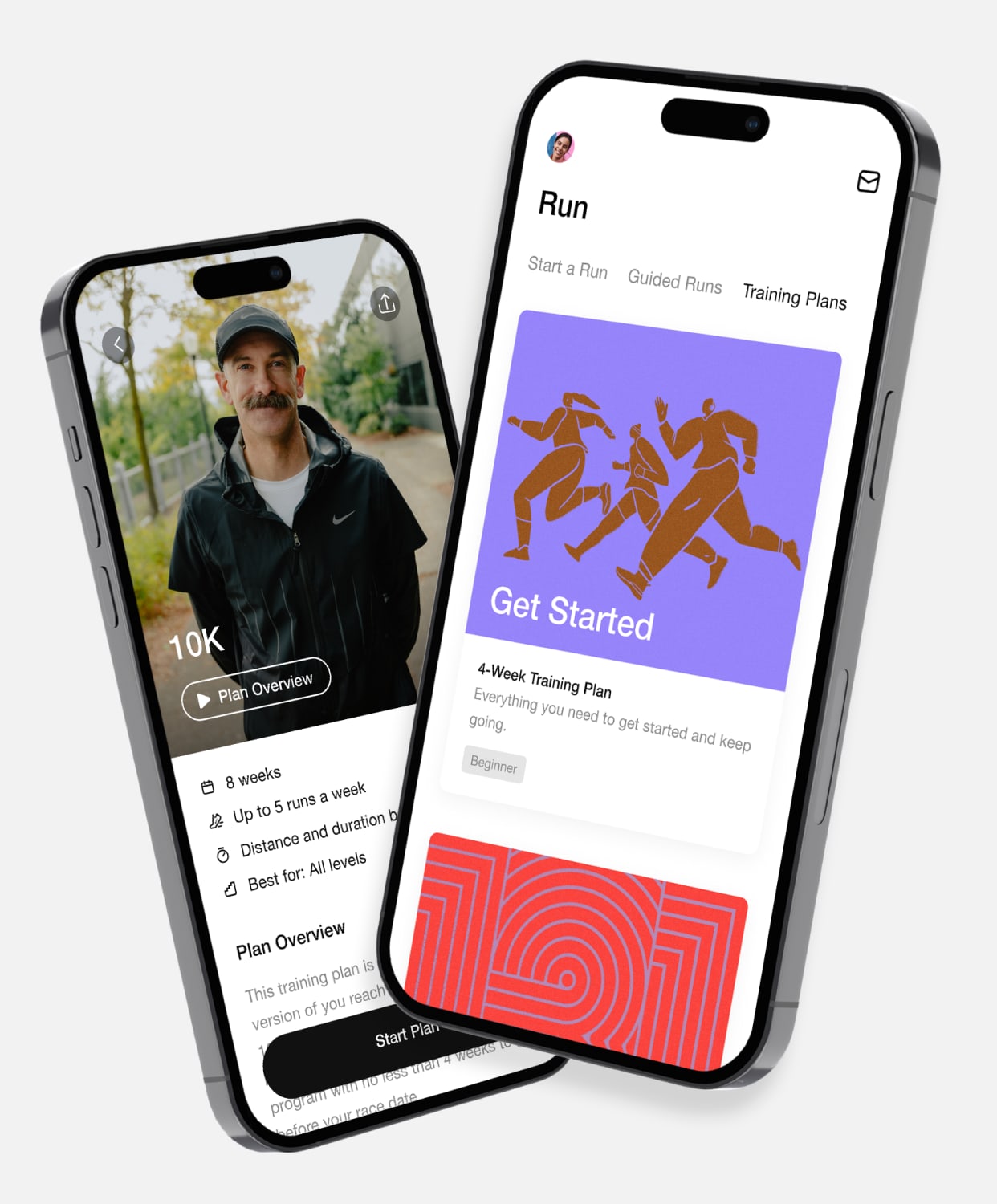
Nike Run Club adapts:
- Run goals to fitness level
- Coaching tone to motivation type
- Progress framing to identity reinforcement
The experience feels personal—never punitive.
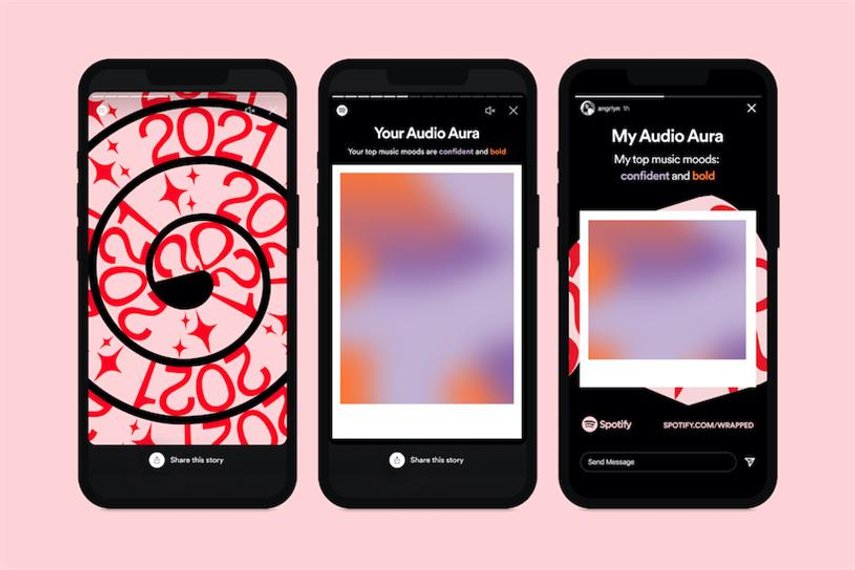
Spotify Wrapped
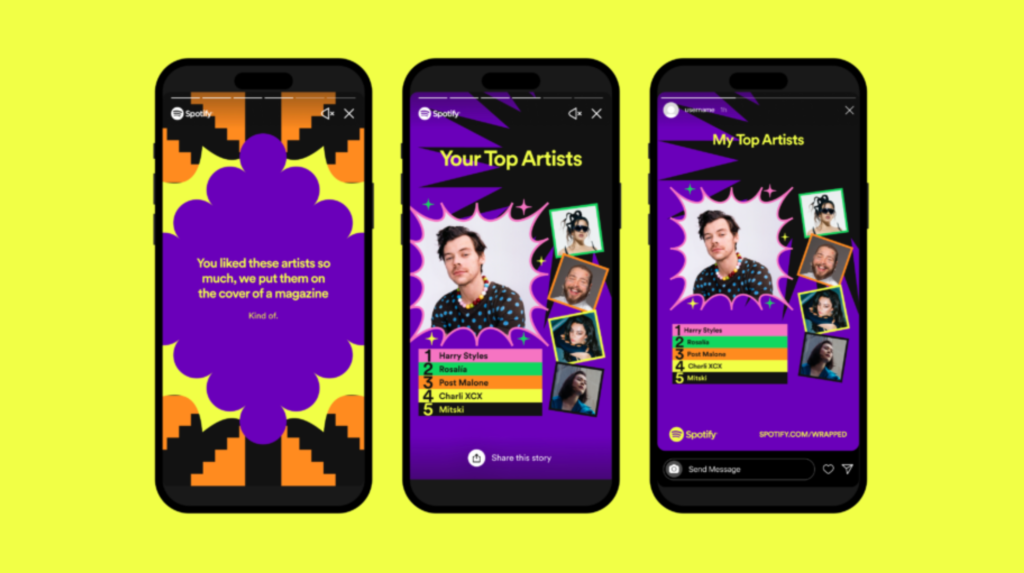
Spotify Wrapped is gamification through personal narrative:
- Data becomes a story
- Progress becomes identity
- Sharing becomes social currency
AI enables scale without sacrificing individuality.
Netflix
Netflix uses predictive models to:
- Surface “next episode” moments
- Create completion loops
- Reduce decision fatigue
It’s not a loyalty program—but it behaves like one.
7. AI Gamification Architecture for 2026
A modern AI gamification stack includes:
| Layer | Function |
|---|---|
| Event Tracking | Capture micro-behaviors |
| Feature Store | Aggregate behavioral signals |
| ML Models | Predict motivation and churn |
| Orchestration Engine | Deliver adaptive experiences |
| Feedback Loop | Measure outcome deltas |
Key principle:
The system must adapt faster than boredom sets in.
8. Ethics and Trust in AI-Driven Gamification
Personalization crosses into manipulation when users lose control.
Ethical Guardrails for 2026
- Transparent progress logic
- Clear opt-outs
- No hidden penalties
- Equal value across paths
Ethical AI gamification doesn’t reduce effectiveness—it extends it.
9. KPIs That Prove AI Gamification Works
Measure incremental impact, not surface activity.
| Metric | Why It Matters |
|---|---|
| Engagement lift vs control | Proves causality |
| Retention variance by cluster | Shows personalization impact |
| Time-to-value reduction | Indicates onboarding success |
| LTV uplift | Ties to revenue |
| Re-engagement recovery rate | Validates predictive models |
If AI isn’t outperforming static systems, retrain—or remove it.
10. GEO / AIO / AEO Optimization Built-In
This article is structured to:
- Answer: How does AI personalize gamification?
- Define adaptive gamification clearly
- Ground examples in named entities
- Provide tables and frameworks for AI summarization
Final Takeaway
The future of gamification isn’t louder rewards or flashier badges.
It’s systems that learn.
In 2026, the brands that win won’t design one great game.
They’ll design a million slightly different ones—one for each customer.


0 Comments