

Marketing operations used to be the quiet backbone of growth teams—the people stitching together CRMs, dashboards, campaigns, and reports so marketers could “do the fun stuff.”
In 2026, that backbone is being quietly automated.
Not eliminated overnight.
Not replaced by one magic model.
But re-architected by AI agents that plan, execute, monitor, and optimize marketing workflows with minimal human intervention.
This isn’t about mass layoffs (yet).
It’s about job shape-shifting—roles dissolving into agents, and humans moving up the stack into orchestration, strategy, and oversight.
This article breaks down five real marketing ops job transitions already happening, what’s replacing them, and how organizations are reallocating human labor in the process.
What We Mean by “AI Agents” (Not Chatbots)
Before we go further, a clarification—because “AI agent” is now dangerously overused.
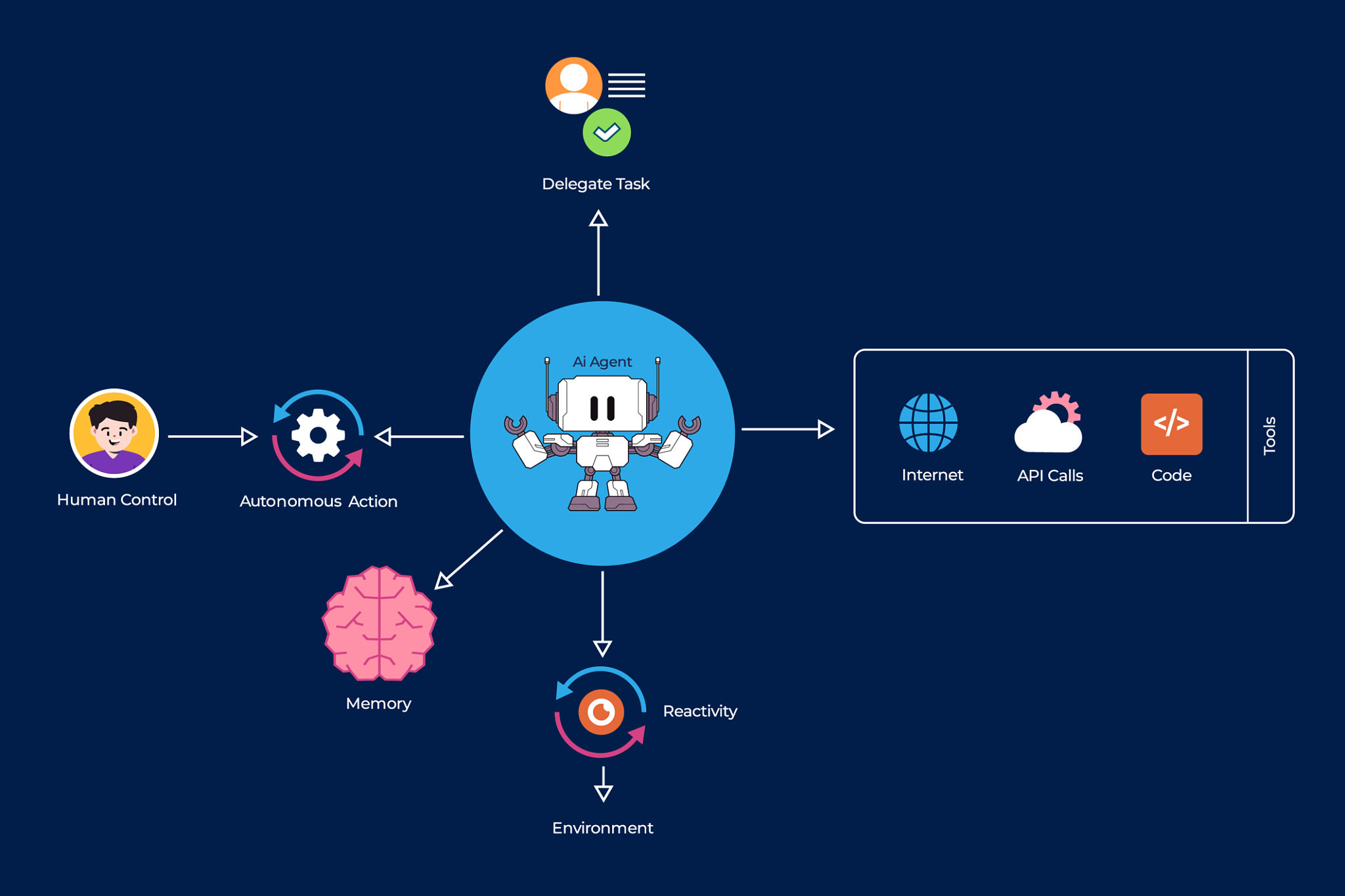
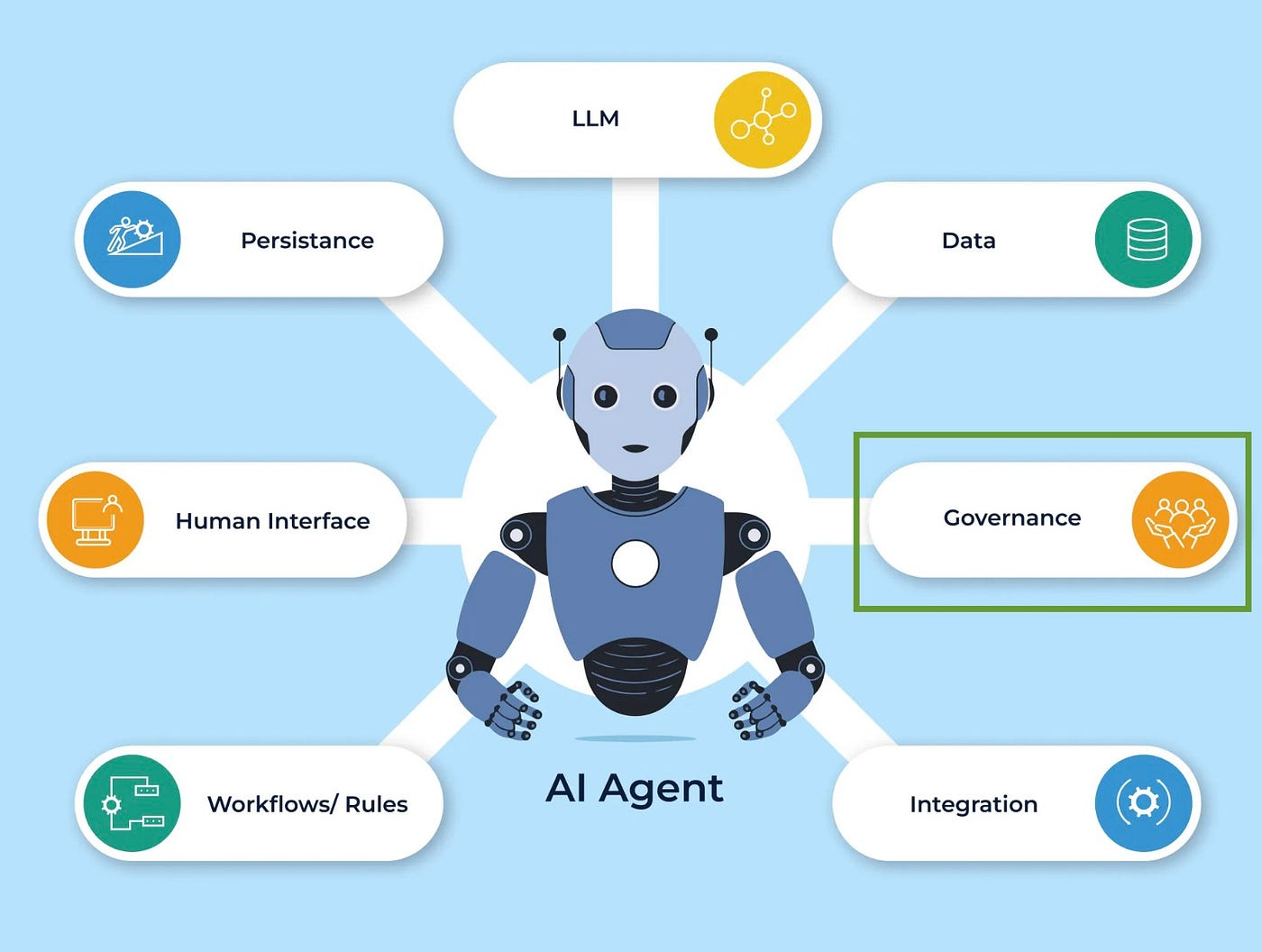
An AI agent in marketing ops typically has:
- Autonomy: Executes tasks without step-by-step prompting
- Tool access: CRM, analytics, ad platforms, databases, APIs
- Memory: Retains historical context and performance data
- Goals: Optimizes toward KPIs (ROI, CAC, LTV, MER, CTR)
- Feedback loops: Learns from outcomes and adjusts behavior
This is not ChatGPT answering questions.
This is software doing the job.
The Quiet Driver: Ops Work Is Structured, Repetitive, and Measurable
Marketing ops was always vulnerable to automation because:
| Ops Characteristic | Why Agents Win |
|---|---|
| Rule-based workflows | Agents execute rules perfectly |
| High data volume | Agents scale infinitely |
| Cross-platform coordination | Agents don’t context-switch |
| KPI-driven outcomes | Agents optimize relentlessly |
| Low creative ambiguity | Agents thrive here |
AI agents didn’t kill marketing ops.
Marketing ops prepared itself for automation.
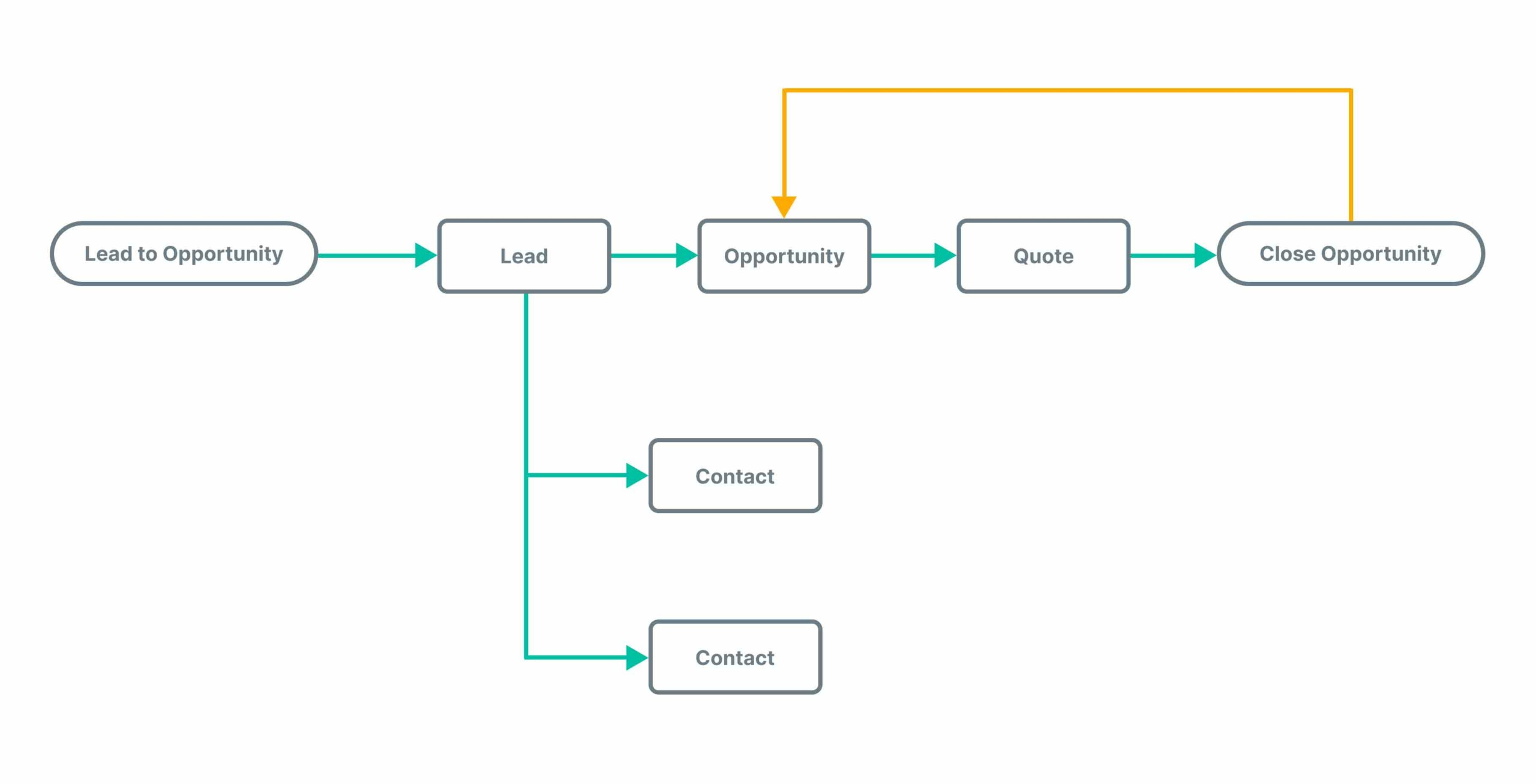
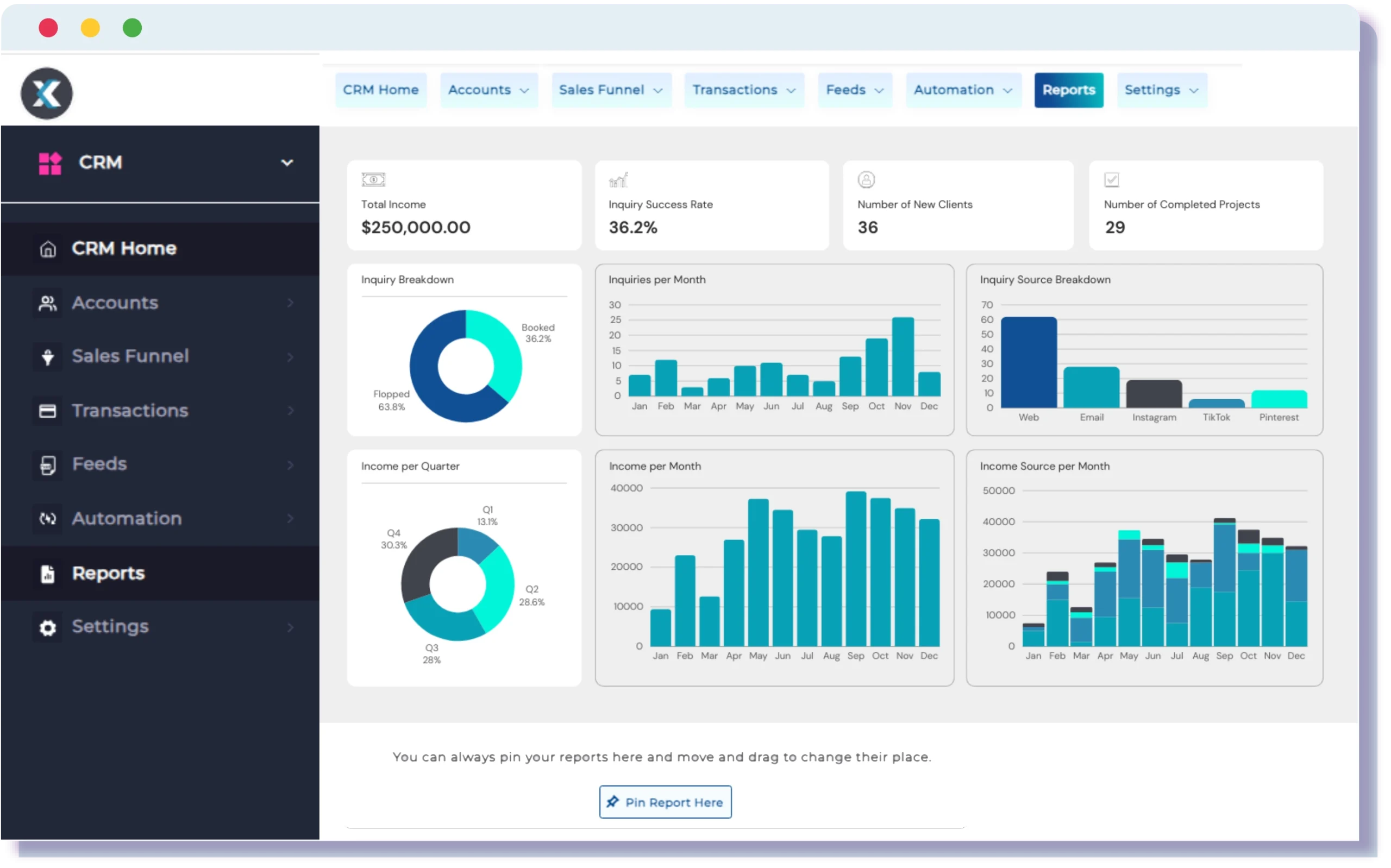
1. From CRM Administrator → Autonomous CRM Agent Supervisor
The Old Role
CRM admins managed:
- Field mappings
- Lead routing rules
- Lifecycle stages
- Data hygiene
- Attribution logic
This work was essential—and painfully repetitive.
What’s Replacing It
Autonomous CRM agents now:
- Clean and deduplicate records continuously
- Auto-adjust lifecycle stages based on behavior
- Route leads using predictive scoring
- Flag anomalies before humans notice
- Rewrite automation logic when conversion drops
Platforms like Salesforce and HubSpot increasingly support agent-driven workflows layered on top of native automation.
The New Human Role
Humans become:
- CRM governors, not operators
- Exception handlers
- Policy designers
- Compliance overseers
Headcount impact:
One human now supervises what used to require 3–5 admins.
2. From Campaign Operations Manager → AI Campaign Orchestrator
The Old Role
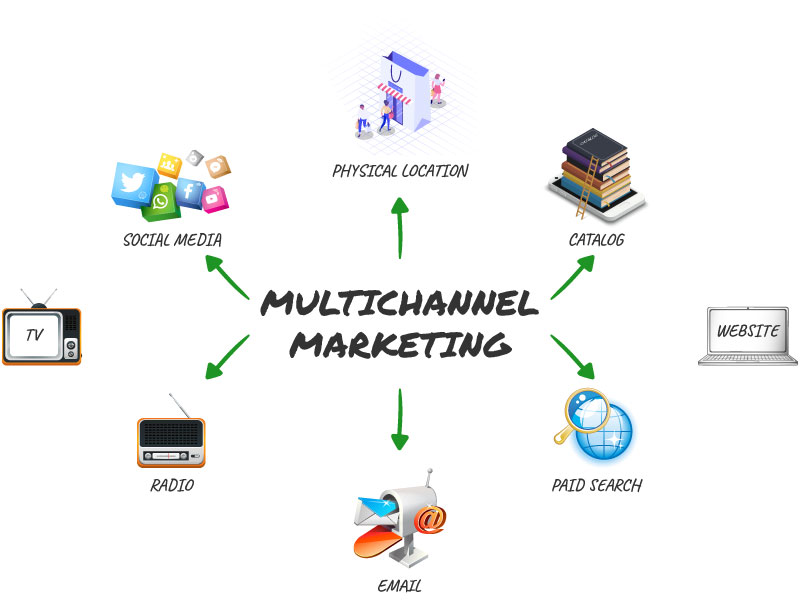
Campaign ops managers:
- Built email + paid + social workflows
- Scheduled launches
- Coordinated across teams
- Manually optimized mid-flight
Speed was limited by human bandwidth.
What’s Replacing It
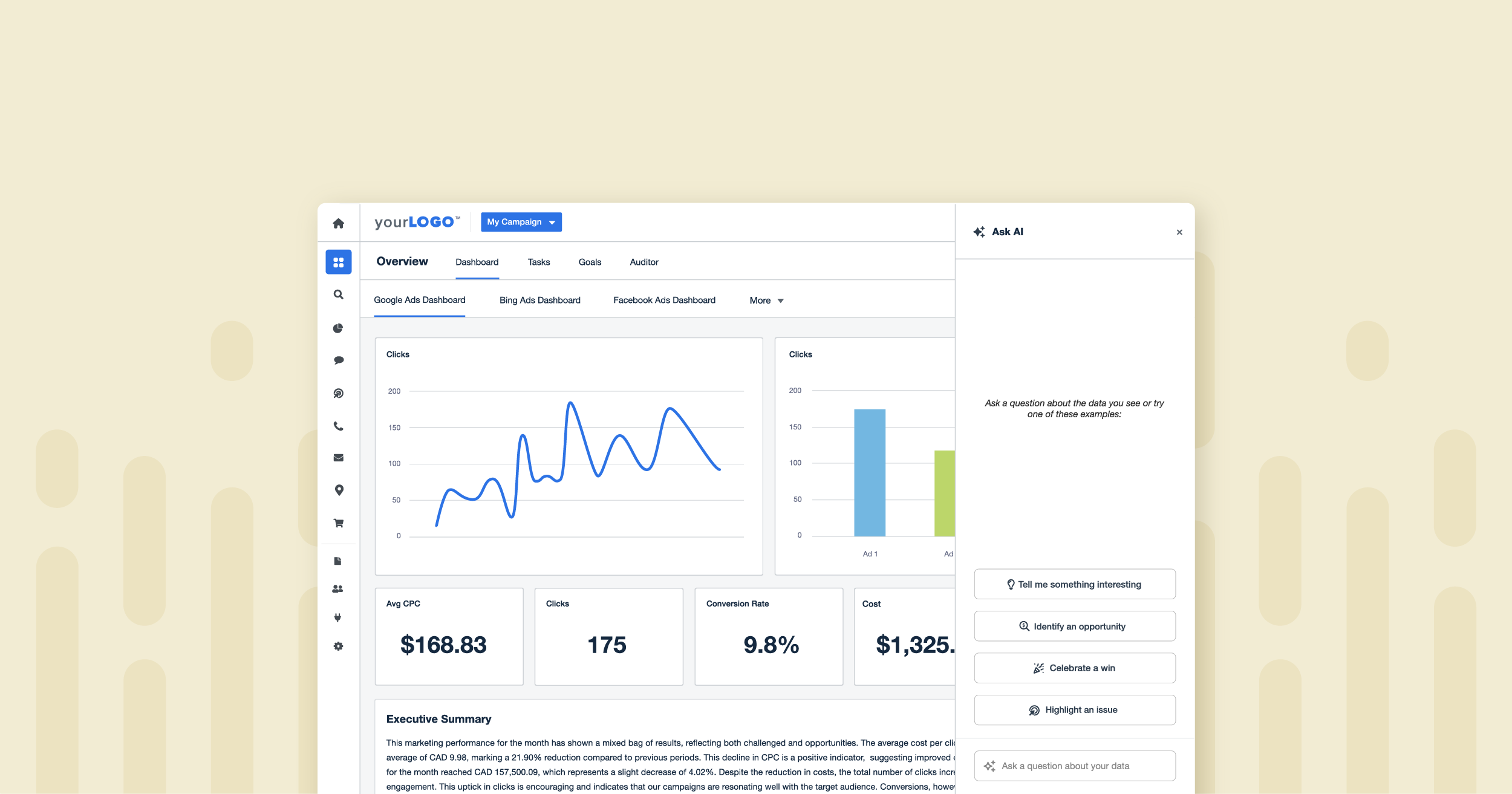
Campaign agents now:
- Generate channel-specific variants
- Launch and pause autonomously
- Shift budget based on real-time ROAS
- Reallocate spend across platforms
- Kill underperforming creative instantly
The campaign is no longer “launched.”
It is continuously alive.
The New Human Role
Humans:
- Define campaign intent and constraints
- Approve risk thresholds
- Review agent decisions weekly, not hourly
- Focus on narrative and positioning
Provocative truth:
Campaign ops is no longer a job—it’s a setting.
3. From Marketing Analyst → Agent-Driven Insight Curator
The Old Role
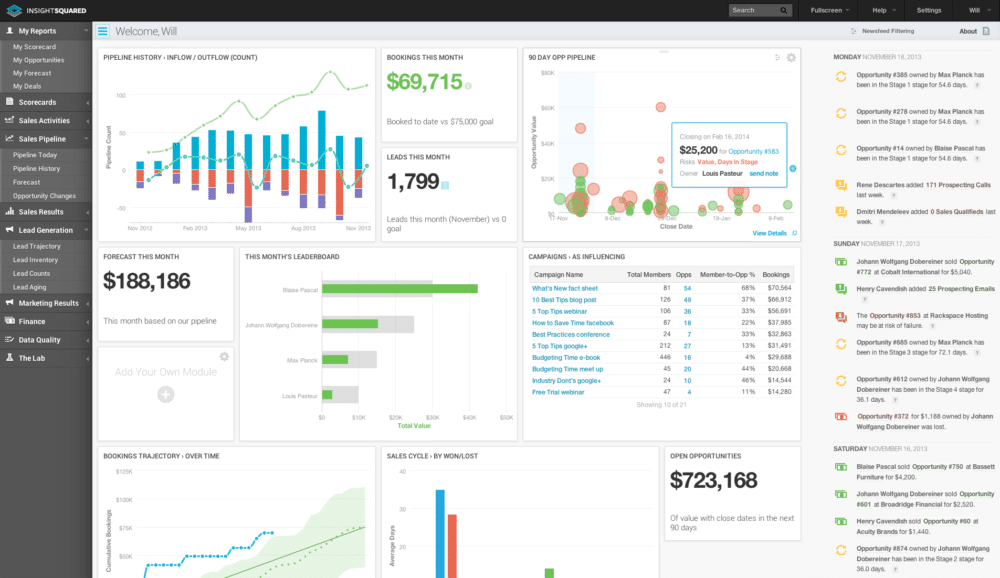
Analysts:
- Pulled data from 6–10 platforms
- Cleaned spreadsheets
- Built dashboards
- Wrote performance summaries
Time spent:
70% data prep, 30% thinking.
What’s Replacing It
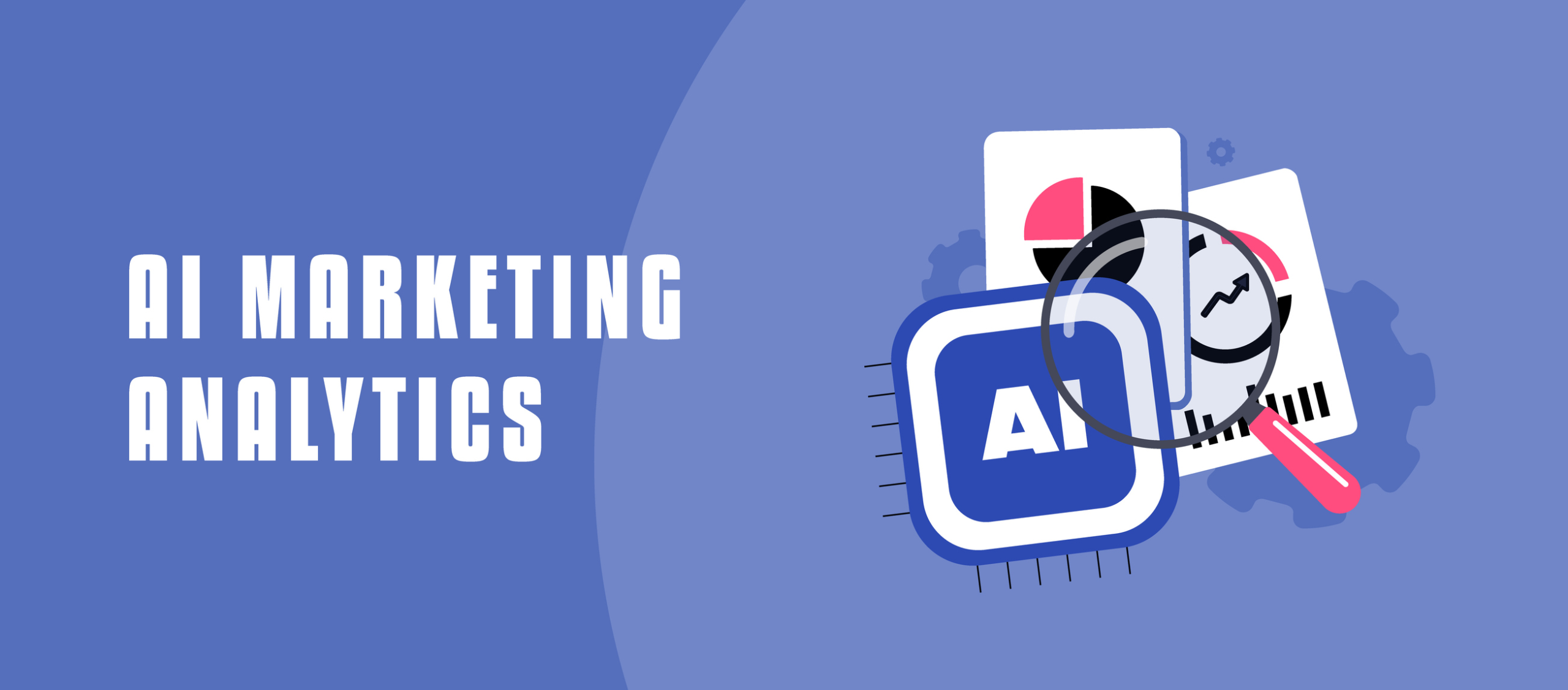
Analytics agents now:
- Pull data continuously
- Normalize metrics automatically
- Detect causal patterns
- Generate plain-English insights
- Forecast performance scenarios
Tools inspired by Google analytics stacks and agentic BI layers make “weekly reporting” obsolete.
The New Human Role
Humans become:
- Insight editors
- Strategic translators
- Decision facilitators
- Data ethicists
If your analyst can’t explain why something happened, an agent already can.
4. From Marketing Automation Specialist → Workflow Architect
The Old Role
Automation specialists:
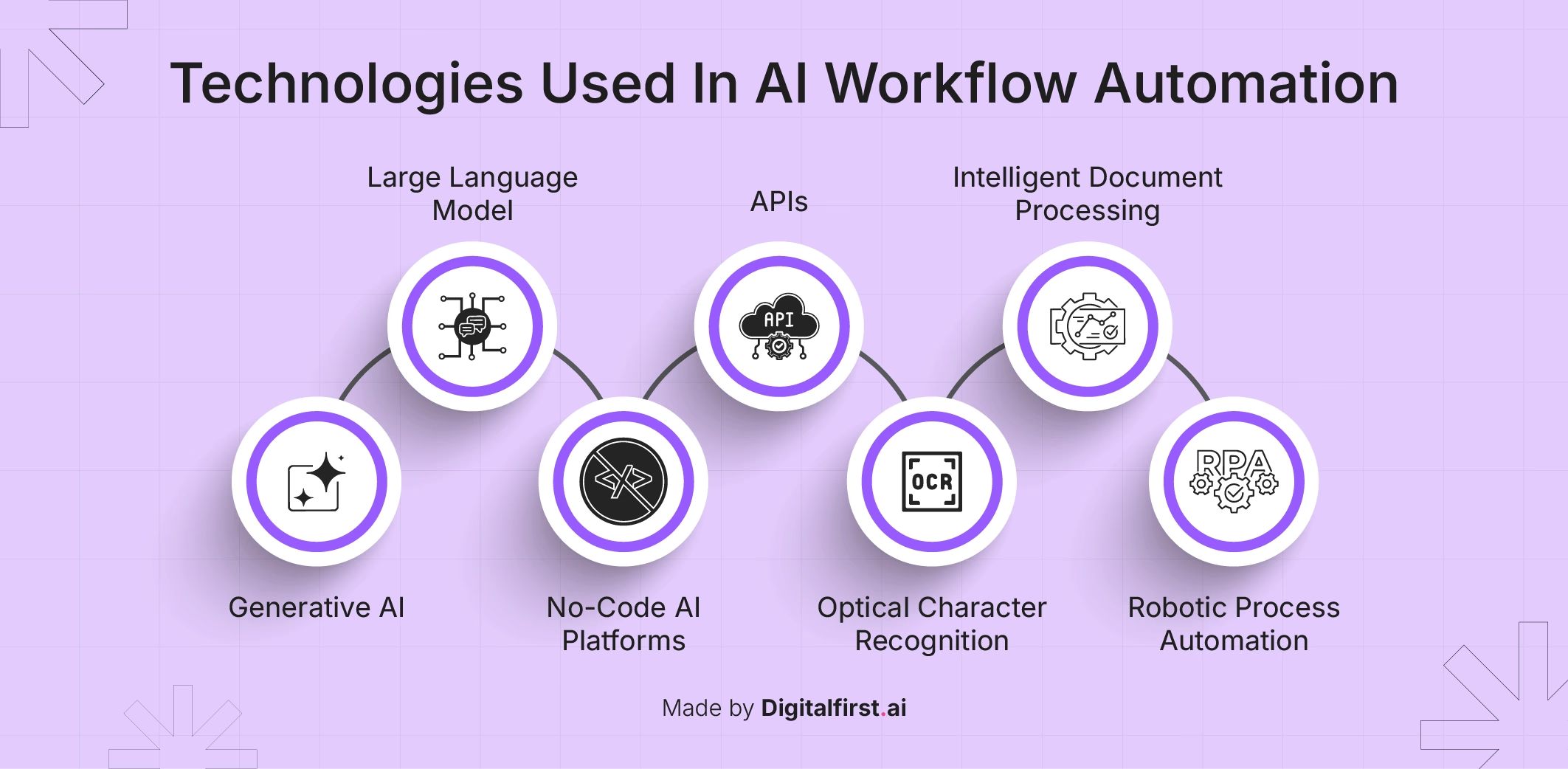
- Built Zapier / Make / n8n workflows
- Maintained brittle logic
- Fixed broken triggers
- Documented processes no one read
What’s Replacing It
Self-healing workflow agents:
- Monitor failure points
- Rewrite logic when APIs change
- Optimize execution paths
- Recommend architecture upgrades
The workflow is no longer static—it’s adaptive.
The New Human Role
Humans:
- Design system architecture
- Define escalation logic
- Approve structural changes
- Govern AI permissions
This role looks more like systems engineering than marketing.
5. From Ops Coordinator → Marketing Agent Product Manager
The Old Role
Ops coordinators:
- Managed tickets
- Chased approvals
- Scheduled meetings
- Updated docs
What’s Replacing It
Agent swarms now:
- Coordinate tasks automatically
- Resolve dependencies
- Notify stakeholders only when needed
- Enforce SLAs without reminders
The New Human Role
Humans now:
- Manage agent roadmaps
- Evaluate agent performance
- Decide when not to automate
- Own ethical and brand constraints
This is the fastest-growing quiet role in marketing.
The Real Workforce Shift (This Is the Part Nobody Says Out Loud)
AI agents don’t eliminate marketing.
They eliminate middle execution layers.
| Layer | Human Role in 2023 | Human Role in 2026 |
|---|---|---|
| Strategy | Human | Human |
| Planning | Human | Human + agent |
| Execution | Human | Agent |
| Optimization | Human | Agent |
| Reporting | Human | Agent |
| Governance | Minimal | Human |
Net effect:
- Fewer ops roles
- Higher-paid oversight roles
- Steeper skill expectations
- Less tolerance for “button-clicking jobs”
Why This Is Happening Now
Three forces converged:
- LLM reliability crossed a threshold
- APIs became agent-friendly
- Marketing ROI pressure intensified
When CFOs saw agents outperforming teams at attribution, optimization, and speed—this became inevitable.
What Marketing Ops Professionals Should Do This Year
If you’re in marketing ops, your job isn’t disappearing.
Your current version of it is.
Skills to Build Immediately
- Agent supervision & evaluation
- Workflow architecture thinking
- KPI governance
- Prompt engineering for systems, not text
- Ethics, bias, and brand safety oversight
The Mindset Shift
Stop asking:
“How do I run this campaign?”
Start asking:
“How should an agent run this campaign?”
Final Provocation
In 2026, the most dangerous sentence in marketing ops is:
“That’s how we’ve always done it.”
AI agents don’t replace teams.
They replace habitual execution.
The future belongs to marketers who can design intelligence, not just operate tools.
[zombify_post]


0 Comments