


How ReAct, Tool-Use, Multi-Agent, and Emerging Patterns Are Rewriting Performance Marketing
Executive Summary (Why This Matters in 2026)
Marketing in 2026 is no longer about automation—it’s about autonomy. Brands that still rely on static workflows, rule-based automations, or single-shot generative AI are being outperformed by organizations deploying autonomous agent architectures that can reason, plan, act, observe outcomes, and adapt continuously.
These agentic systems don’t just assist marketers. They decide, execute, and optimize across the full funnel—often in real time.
This article breaks down seven autonomous agent architectures that are redefining marketing ROI in 2026. We compare them across:
- Decision intelligence
- Tool orchestration
- Scalability
- Risk control
- Measurable ROI impact
The goal: help you choose the right architecture—not the trendiest one—for your organization’s growth strategy.
What Is an Autonomous Agent (and Why It’s Different from “AI Automation”)?
An autonomous agent is a system that:
- Perceives its environment (data, APIs, signals)
- Reasons about goals and constraints
- Acts using tools or systems
- Evaluates outcomes
- Adapts future behavior without explicit reprogramming
Traditional marketing automation = If X, then Y.
Agentic marketing = Given the goal, figure out what to do next—and keep improving.
The 7 Architectures Powering Agentic Marketing in 2026
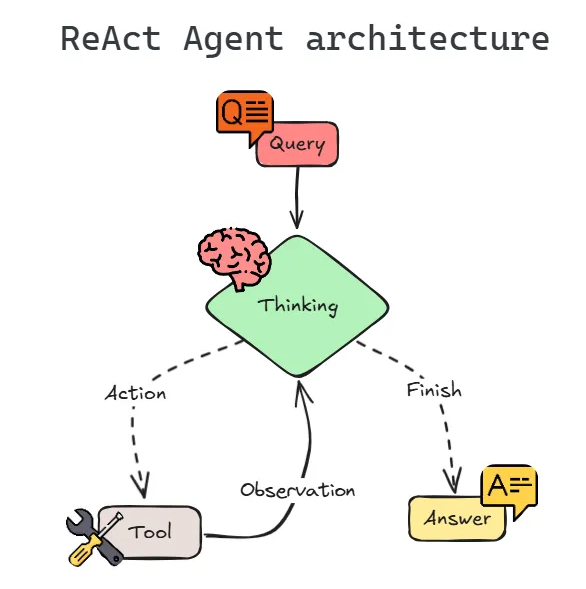
1. ReAct Architecture (Reason + Act Loops)
What it is:
ReAct agents interleave reasoning steps with actions, allowing the system to think out loud, take an action, observe results, and refine its approach.
Why marketers love it:
ReAct excels in ambiguous, multi-step marketing tasks—like diagnosing funnel drop-off or iterating ad creative based on performance signals.
Marketing use cases
- Campaign diagnosis and optimization
- SEO content iteration with live SERP feedback
- CRO experiments with hypothesis refinement
Strengths
- Transparent decision logic
- Excellent for exploratory optimization
- Strong alignment with A/B and multivariate testing
Limitations
- Slower execution than reflexive agents
- Requires guardrails to prevent over-reasoning loops
ROI impact
ReAct agents consistently outperform static optimization models in mid-funnel performance, especially when audience behavior shifts rapidly.
2. Tool-Using Agents (API-First Operators)
What it is:
Tool-using agents specialize in executing actions via APIs, SaaS platforms, CRMs, ad managers, analytics stacks, and CMSs.
They don’t just recommend—they do.
Marketing use cases
- Automated ad deployment and budget reallocation
- CRM enrichment and lead routing
- Email, SMS, and push orchestration
- Analytics ingestion and dashboard updates
Strengths
- High speed and reliability
- Direct revenue impact
- Easy to audit and log
Limitations
- Limited strategic reasoning alone
- Best when paired with planning agents
ROI impact
Tool-using agents deliver immediate ROI by compressing execution latency—from days to minutes.
3. Planner–Executor Architecture (Strategic Split Brain)
What it is:
This architecture separates strategy (Planner) from execution (Executor).
- Planner agent: defines goals, sequences, constraints
- Executor agent(s): carry out tasks using tools
Marketing use cases
- Quarterly campaign planning with autonomous execution
- Budget allocation across channels
- Funnel redesign and rollout
Strengths
- Strong governance and predictability
- Easier human oversight
- Scales well across teams
Limitations
- Less adaptive than ReAct
- Requires accurate planning assumptions
ROI impact
Planner–Executor systems shine in enterprise environments where compliance, predictability, and scale matter more than improvisation.
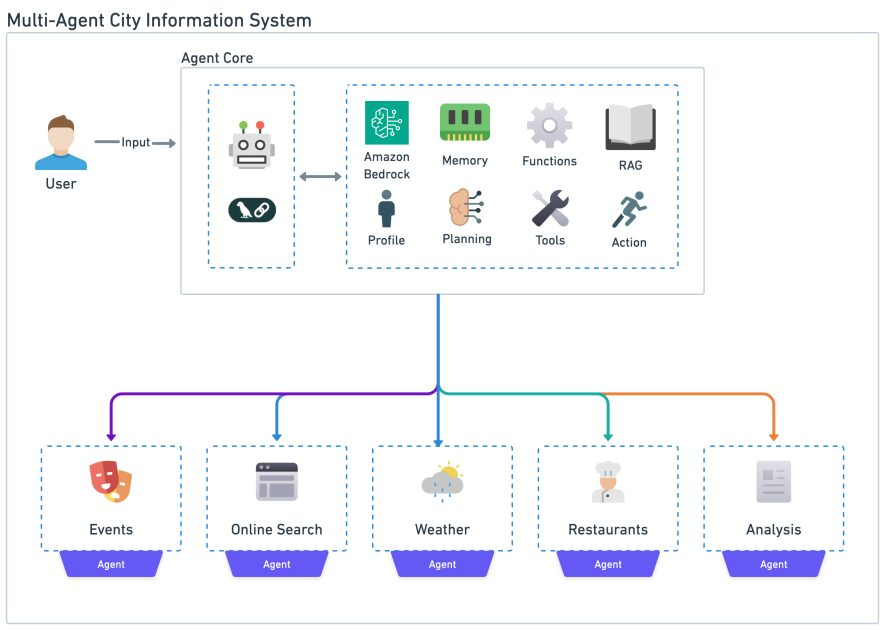
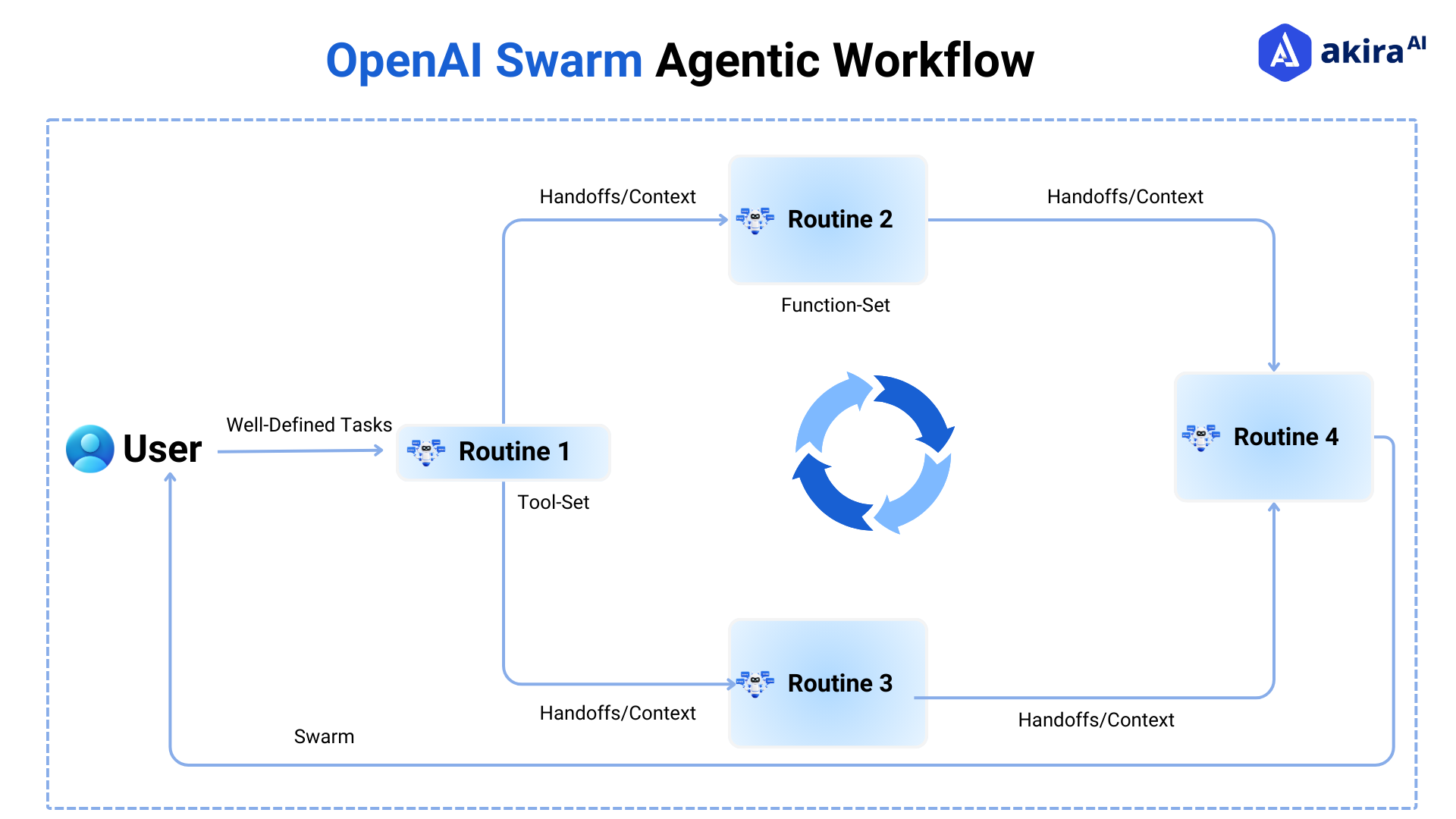
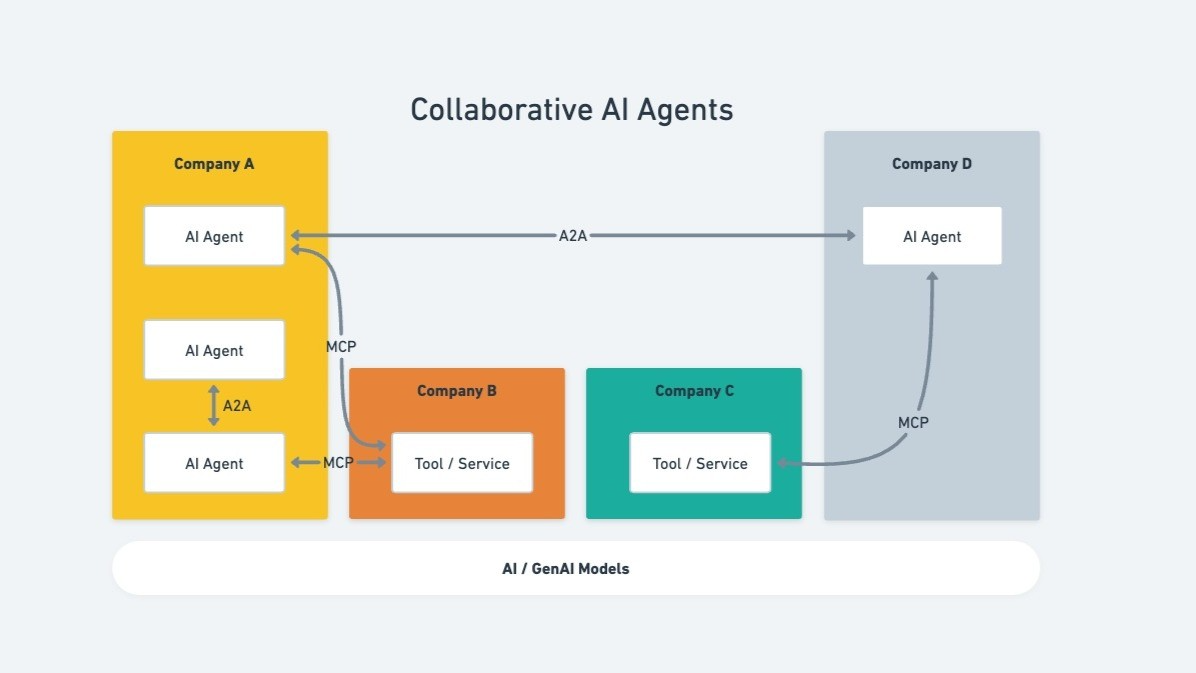
4. Multi-Agent Systems (Specialist Swarms)
What it is:
Multiple specialized agents collaborate—each with a defined role.
Typical roles:
- Research agent
- Creative agent
- Media buying agent
- Analytics agent
- Compliance agent
Marketing use cases
- Full-funnel optimization
- Always-on growth engines
- Large-scale content operations
Strengths
- Parallel execution
- Domain specialization
- High adaptability
Limitations
- Coordination overhead
- Risk of conflicting objectives without arbitration
ROI impact
Multi-agent systems produce the highest upside ROI but also require the most mature governance.
5. Memory-Augmented Agents (Long-Term Learning Systems)
What it is:
These agents maintain persistent memory—campaign history, audience responses, seasonal effects, brand constraints.
Memory types:
- Short-term (working context)
- Long-term (vector databases, knowledge graphs)
- Episodic (past campaign outcomes)
Marketing use cases
- Brand-consistent content generation
- Long-term LTV optimization
- Customer journey personalization
Strengths
- Reduces repeated mistakes
- Improves personalization depth
- Enables compounding intelligence
Limitations
- Memory drift if not curated
- Higher infrastructure cost
ROI impact
Memory-augmented agents are key to sustained ROI, not just short-term wins.
6. Reflexive / Event-Driven Agents (Real-Time Responders)
What it is:
These agents react instantly to triggers without deep reasoning loops.
Marketing use cases
- Cart abandonment recovery
- Price change reactions
- Trend-jacking on social platforms
- Real-time bidding adjustments
Strengths
- Ultra-low latency
- High reliability
- Easy to test
Limitations
- No strategic depth
- Can optimize locally but not globally
ROI impact
Reflexive agents dominate conversion-rate lift scenarios where timing is everything.
7. Self-Improving (Meta-Learning) Agents
What it is:
Agents that evaluate their own performance and modify internal strategies, prompts, or policies over time.
Marketing use cases
- Autonomous creative testing frameworks
- Long-term budget optimization
- Adaptive audience segmentation
Strengths
- Compounding performance gains
- Reduced human tuning
- Future-proof architecture
Limitations
- Harder to explain decisions
- Requires strong monitoring
ROI impact
Self-improving agents deliver the highest long-term ROI, especially for organizations willing to invest early.
Comparative Architecture Table
| Architecture | Strategic Intelligence | Execution Speed | Governance | Best For |
|---|---|---|---|---|
| ReAct | High | Medium | Medium | Adaptive optimization |
| Tool-Using | Low | High | High | Direct execution |
| Planner–Executor | Medium-High | Medium | High | Enterprise campaigns |
| Multi-Agent | Very High | Medium | Medium-Low | Full-funnel growth |
| Memory-Augmented | High | Medium | Medium | Brand & LTV |
| Reflexive | Low | Very High | High | Real-time conversion |
| Self-Improving | Very High | Medium | Low-Medium | Long-term ROI |
How These Architectures Drive Marketing ROI
1. Latency Compression
Decisions move from weekly meetings to milliseconds.
2. Cognitive Leverage
Agents reason across datasets humans can’t process in real time.
3. Continuous Experimentation
Every action becomes a test. Every test improves the system.
4. Budget Efficiency
Spend reallocates automatically toward marginal ROI gains.
Governance, Risk, and Ethics in 2026
High-ROI agentic systems include:
- Human-in-the-loop checkpoints
- Spend and action caps
- Audit logs for every decision
- Model drift detection
- Brand and legal constraint layers
Autonomy without governance isn’t innovation—it’s liability.
Final Takeaway: Architecture > Model
In 2026, competitive advantage no longer comes from which model you use—it comes from how agents are architected, coordinated, governed, and allowed to learn.
The highest-performing marketing teams aren’t “using AI.”
They’re partnering with autonomous systems designed for ROI compounding.
If you’re still debating tools, you’re already late.
The real question is: Which agent architecture will run your growth engine next?
[zombify_post]


0 Comments