

Brand Mentions on AI Citation Sources: The #1 Ranking Factor for AI Search in 2026
If your brand isn’t mentioned on the third-party sources that ChatGPT, Perplexity, Gemini, Grok, and Claude pull from when generating answers, your on-site SEO is doing less work than you think. This tutorial walks you through the exact process Nathan Gotch uses to identify which citation sources AI platforms trust, audit your brand’s coverage across them, and build a targeted outreach plan to earn mentions where they move the needle. By the end, you’ll have a repeatable system for turning AI citation data into a prioritized publisher hit list.
-
Identify your most important commercial keywords — the core seeds like “best CRM” — and set informational queries aside entirely. AI platforms surface far fewer brand mentions in response to informational prompts, so your audit data will be diluted if you mix them in.
-
Build out a set of prompt variations around each commercial seed keyword. Cover phrasing differences a real buyer might use so you capture the full range of AI answers your category generates.

- Run every prompt variation across all major AI platforms: ChatGPT, Google AI Mode, Google AI Overviews, Gemini, Perplexity, Grok, and Claude. Each platform produces a distinct citation set, and cross-platform overlap is exactly what you’ll use to rank your targets later.
-
Extract every citation URL from every AI-generated answer across every platform. These URLs — not your own domain — are the sources AI is actually pulling from when it decides which brands to mention.
-
Compile all extracted citation URLs into a Google Sheet. This becomes your master prospect list.
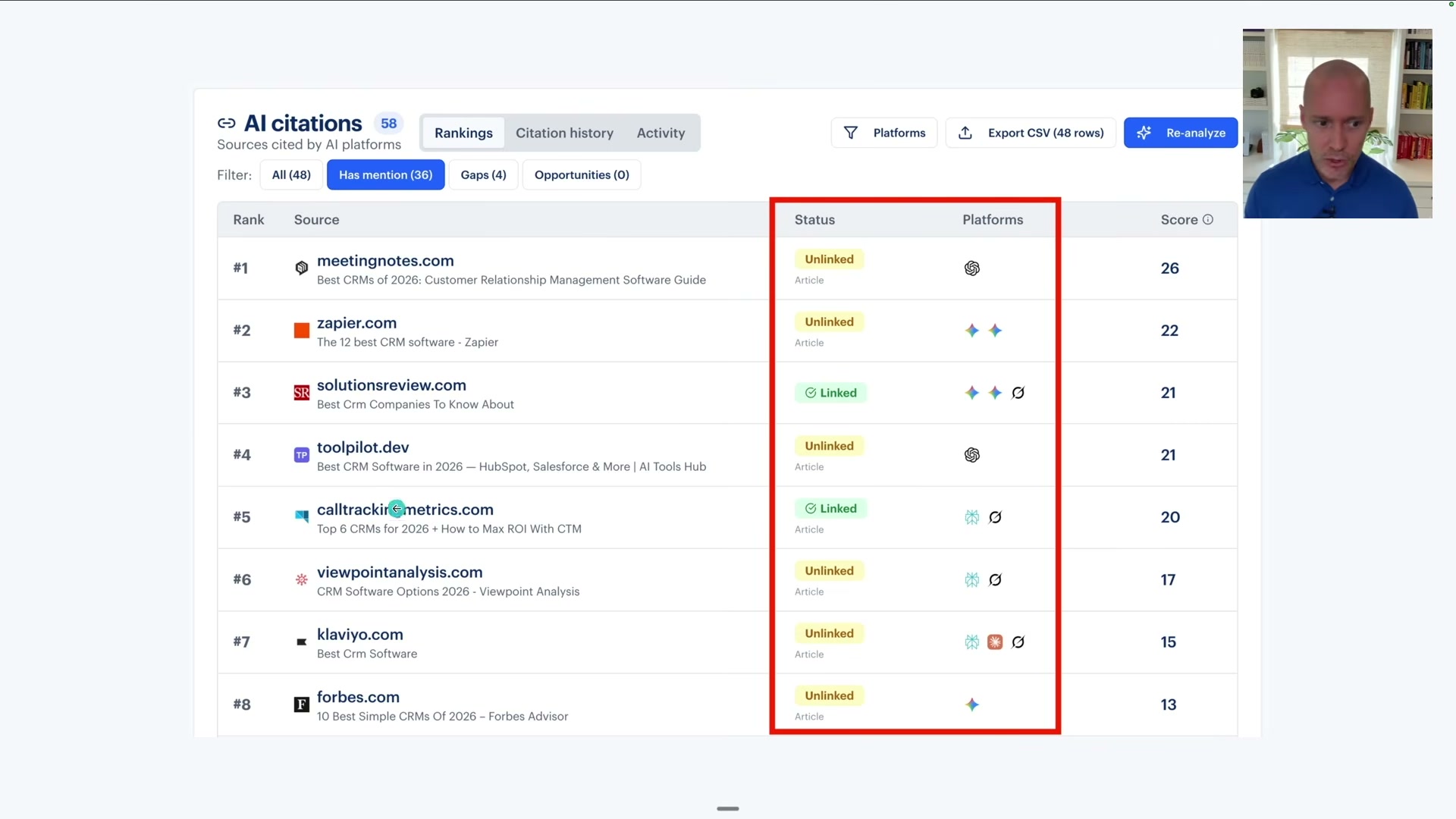
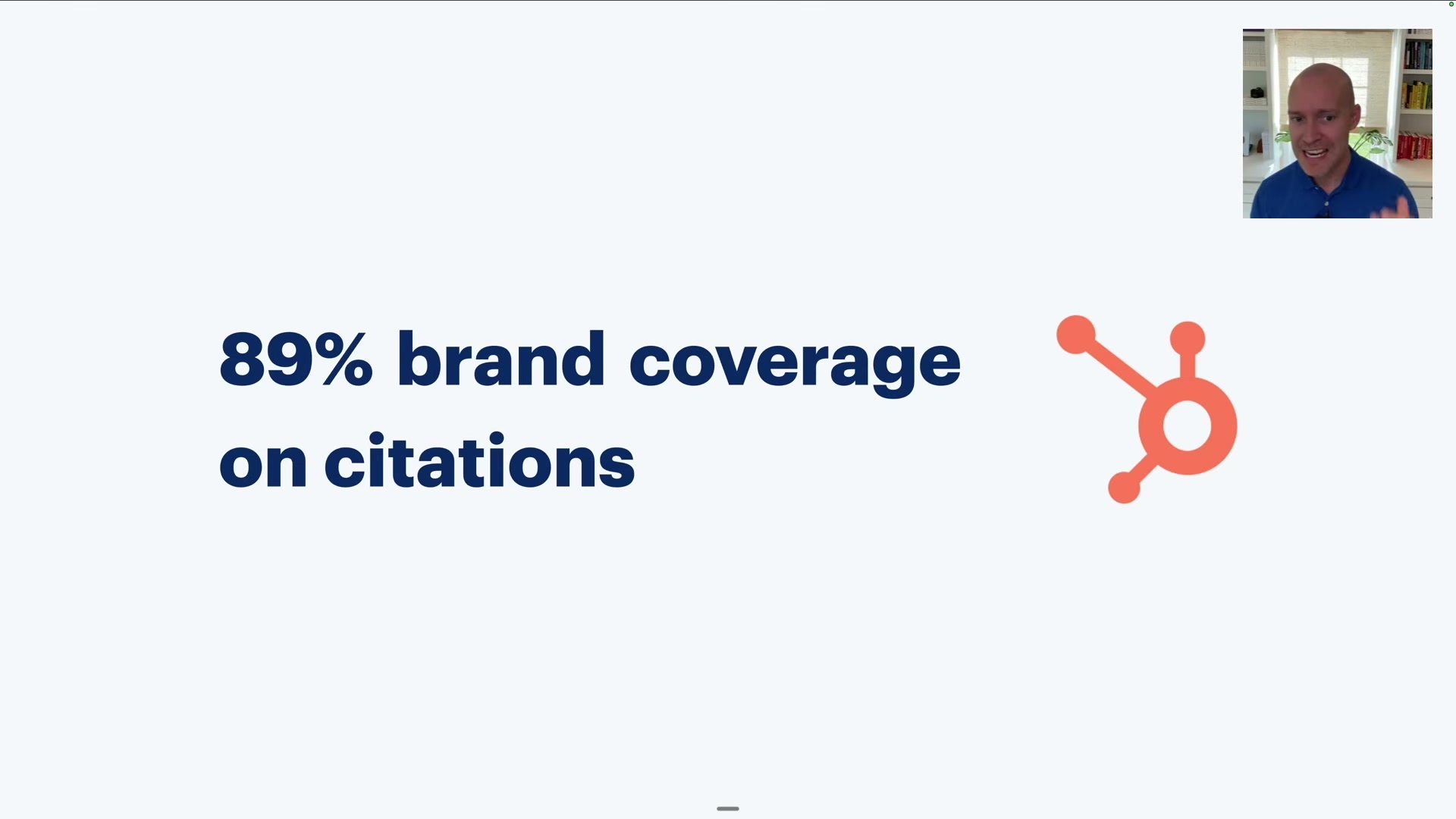
- Scan each citation page to determine whether your brand appears — linked or unlinked. The HubSpot data Gotch presents makes the stakes concrete: HubSpot appears on 89% of citation pages for CRM-related queries, and 72% of those mentions carry no backlink at all.
Warning: this step may differ from current official documentation — see the verified version below.
-
Prioritize your citation list by frequency — URLs that appear consistently across multiple AI platforms represent the highest-leverage targets. A source cited by ChatGPT, Gemini, and Perplexity simultaneously is worth far more than one that shows up on a single platform.
-
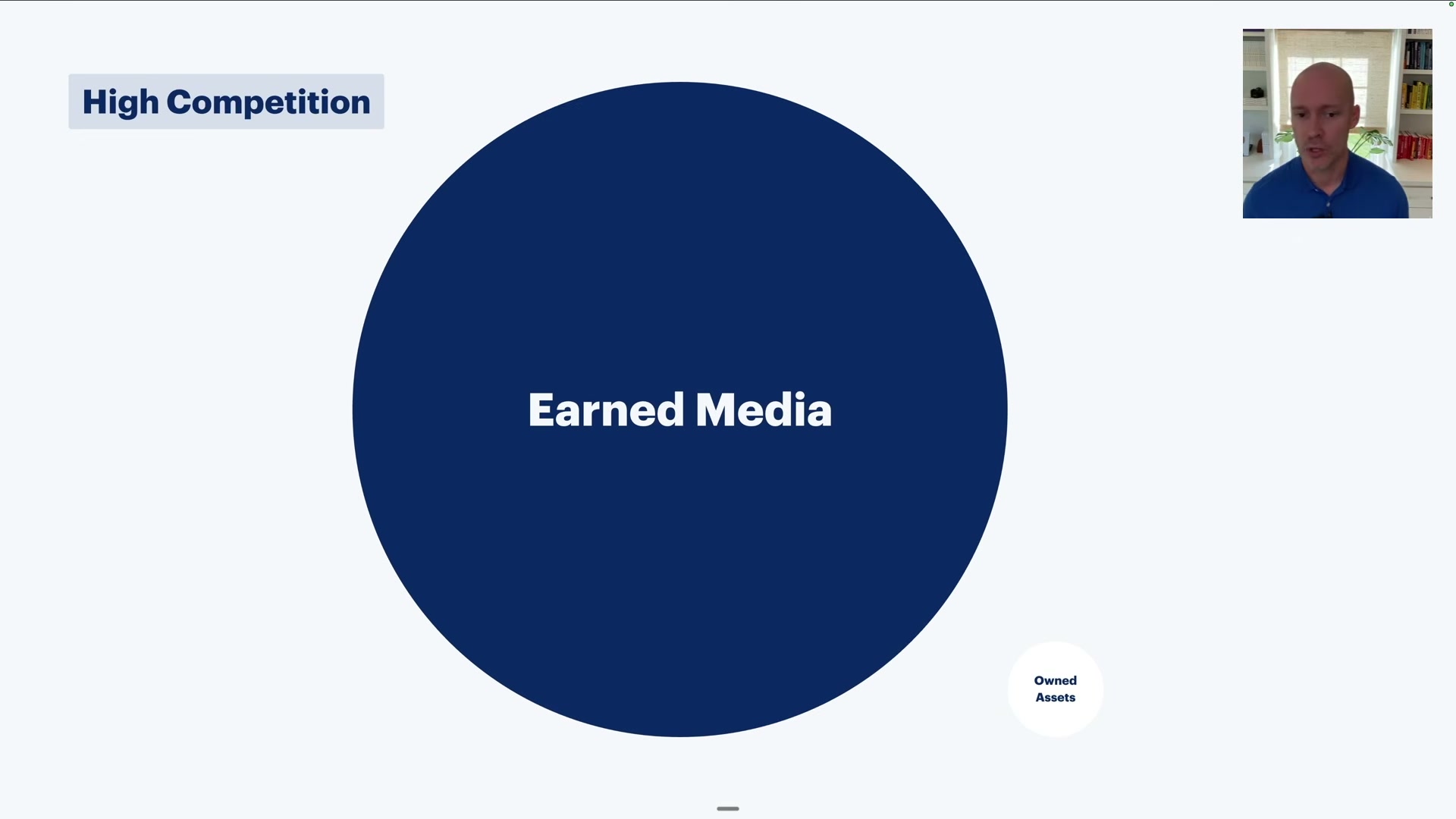
Build a tiered outreach plan with your highest-frequency citation sources at the top. The competitive intensity of your vertical determines how aggressively you need to pursue earned media versus owned assets.
- Contact target publishers directly with paid collaboration or sponsored post proposals. Lead with budget as the value proposition. The AI platforms show no evidence of discriminating between organic mentions and clearly labeled sponsored placements — a mention is a mention.
Warning: this step may differ from current official documentation — see the verified version below.
- Calibrate your effort split between earned media and owned assets based on your vertical’s competition level. High competition means near-total focus on third-party mentions. Mid-competition allows more owned-asset leverage. Low competition supports roughly equal investment in both.
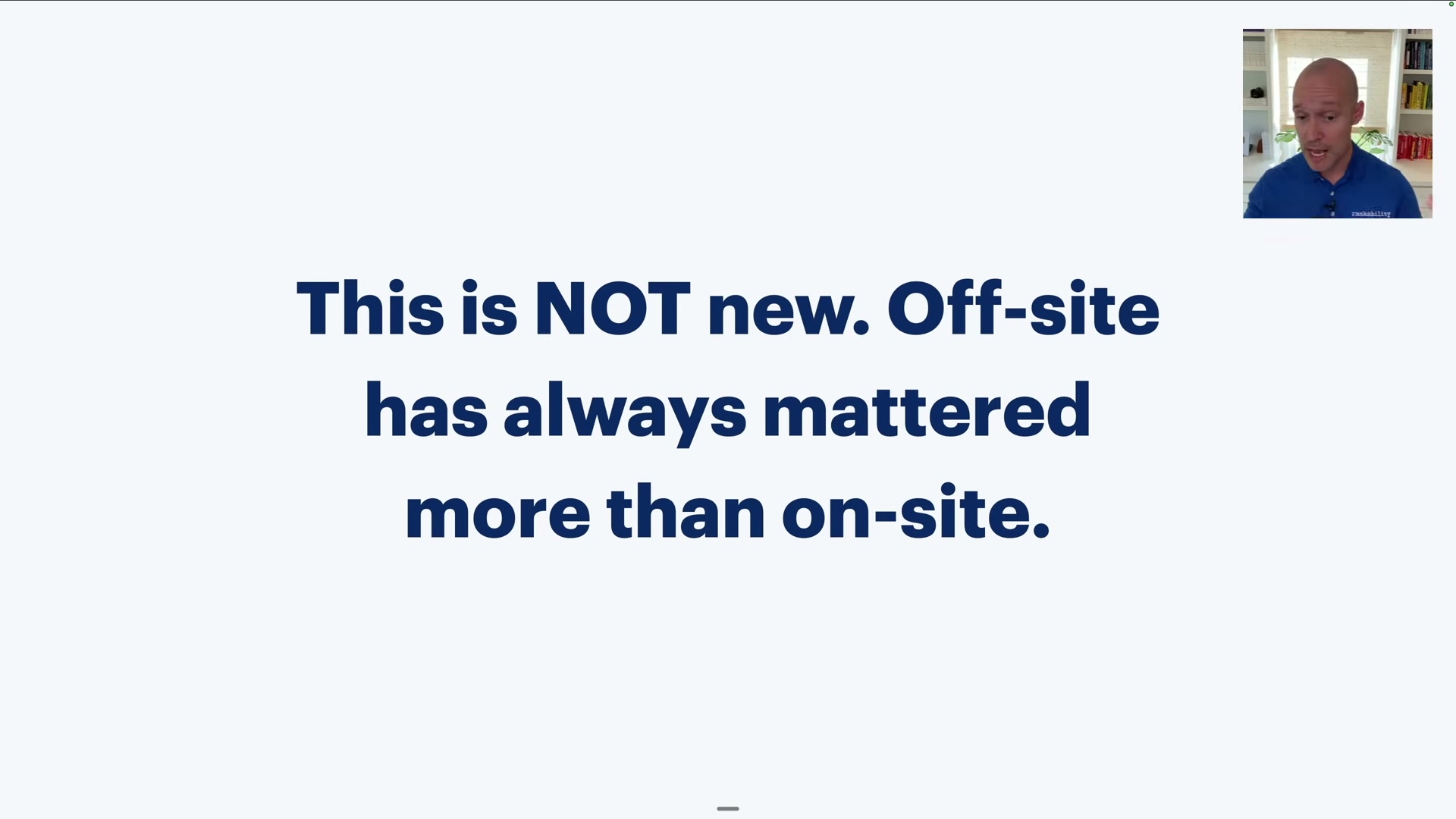
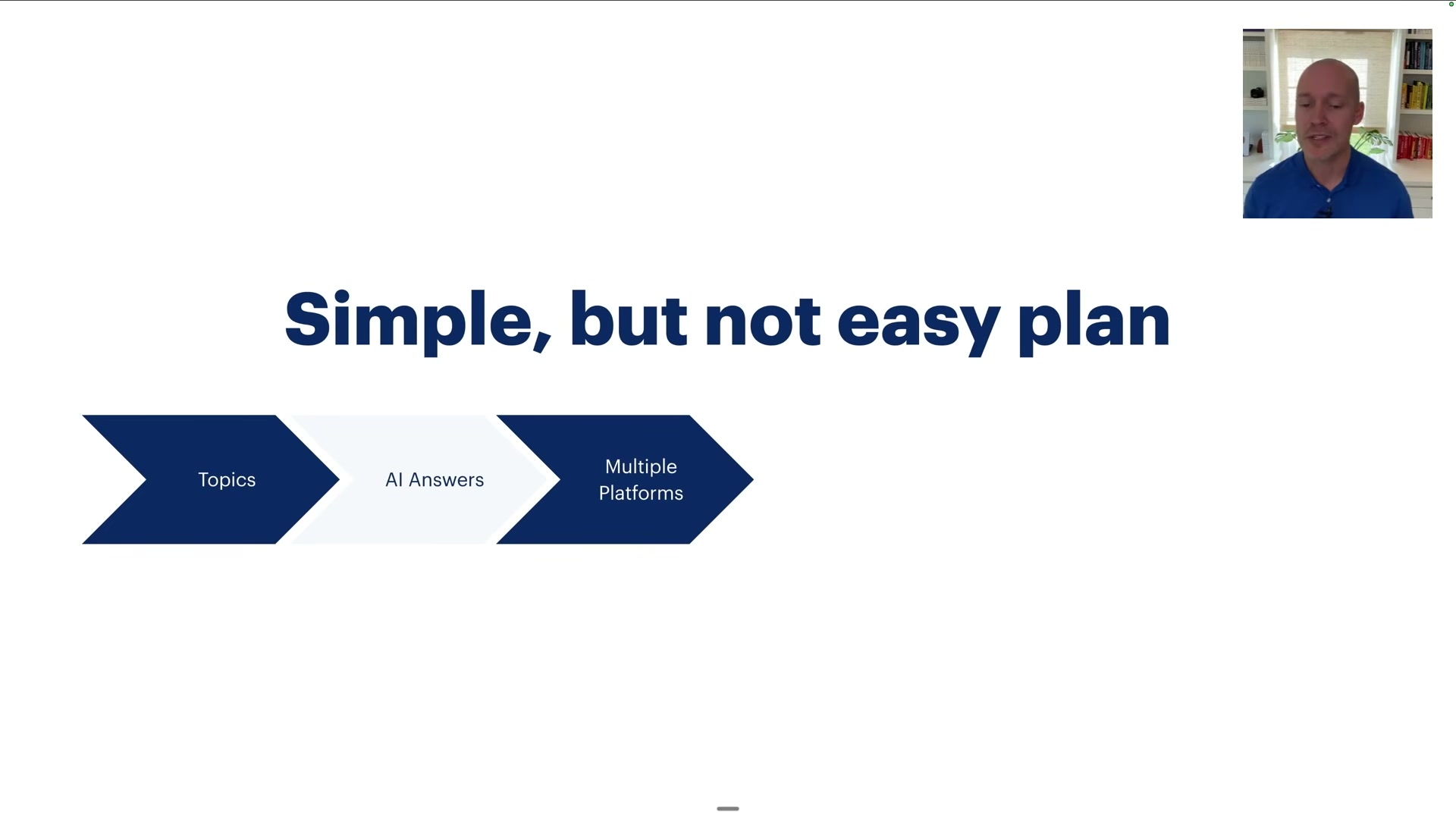
The three-step playbook distills to this: identify the commercial topics AI is answering, audit the answers across every platform, and then earn placements on the sources those platforms consistently cite.
How does this compare to the official docs?
The video presents a compelling practitioner framework, but the claim that sponsored and no-follow mentions carry identical weight to organic citations in AI retrieval deserves a closer look against what the major AI platform providers have actually published about how their retrieval systems evaluate source quality.
Here’s What the Official Docs Show
The tutorial above delivers a sound practitioner system, and this section adds the platform-level documentation detail that makes it more repeatable under real working conditions. Where the docs introduce distinctions the video glosses over, they’re the kind of specifics that affect execution quality — not the overall strategy.
Steps 1–2: Define commercial keywords and build prompt variations
No official documentation was found for these steps — proceed using the video’s approach and verify independently.
Step 3: Query every major AI platform
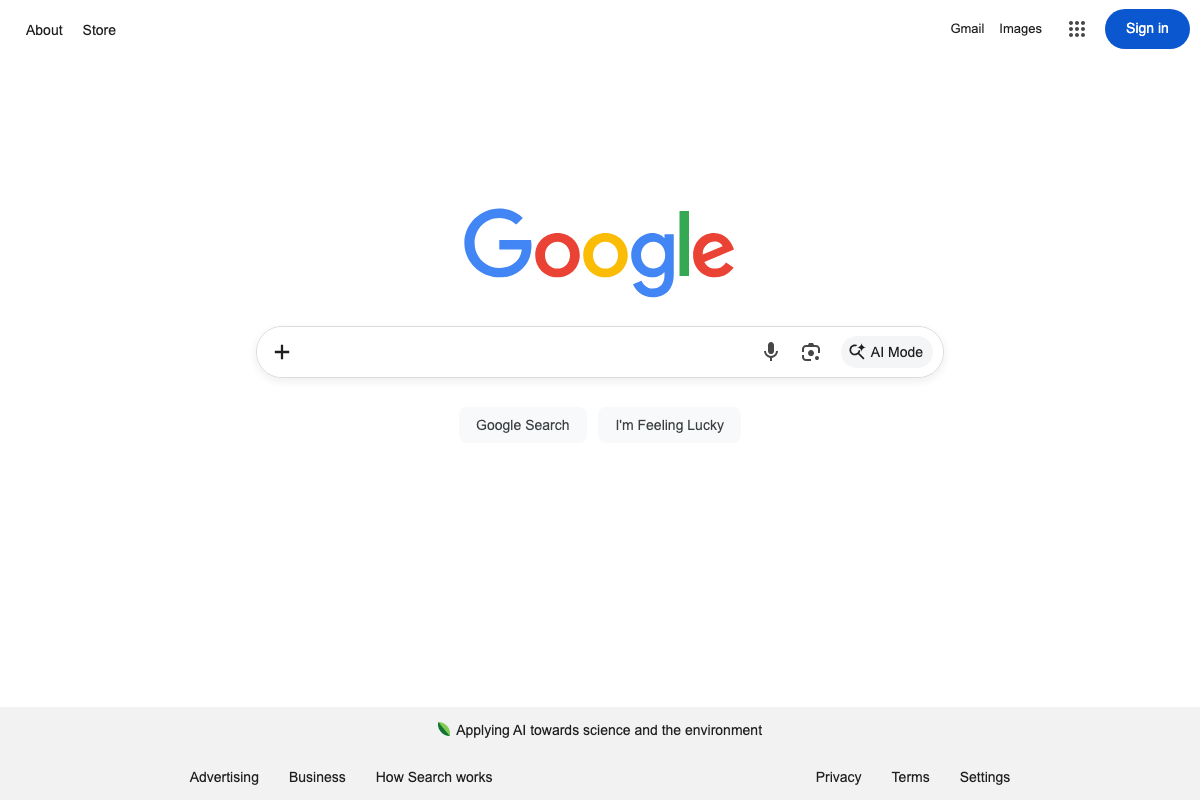
The video’s approach here matches the current docs exactly — with one structural note that matters for execution. Google AI Mode and Google AI Overviews are not equivalent entry points requiring equivalent navigation. AI Mode is a discrete interface accessed via a dedicated button on the Google homepage; you select it intentionally. AI Overviews are automatic — they surface inside standard Google Search results when a query triggers them. There is no separate AI Overviews interface to navigate to.
One additional note: the available Gemini documentation covers the developer API at ai.google.dev, not the consumer chat interface at gemini.google.com that step 3 references. Gemini-specific citation display behavior in the consumer interface is unverified from the screenshots provided.

Step 4: Extract citation URLs from every platform
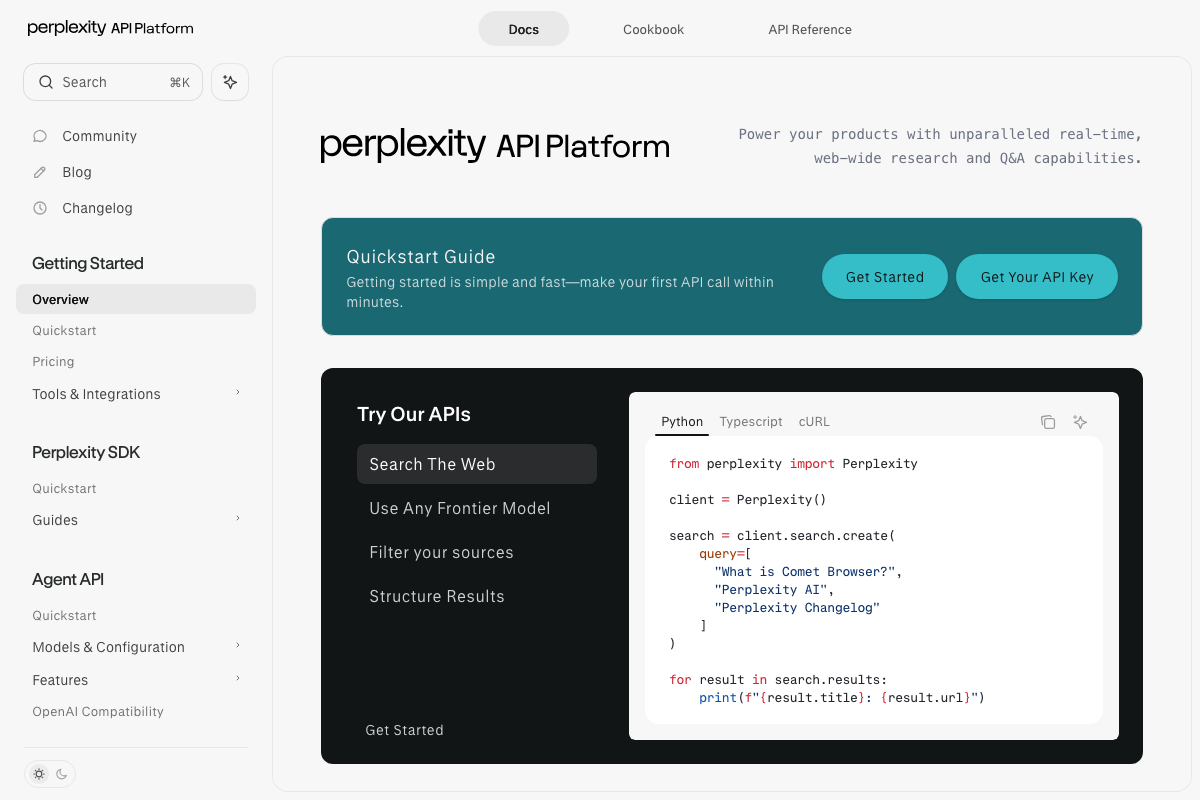
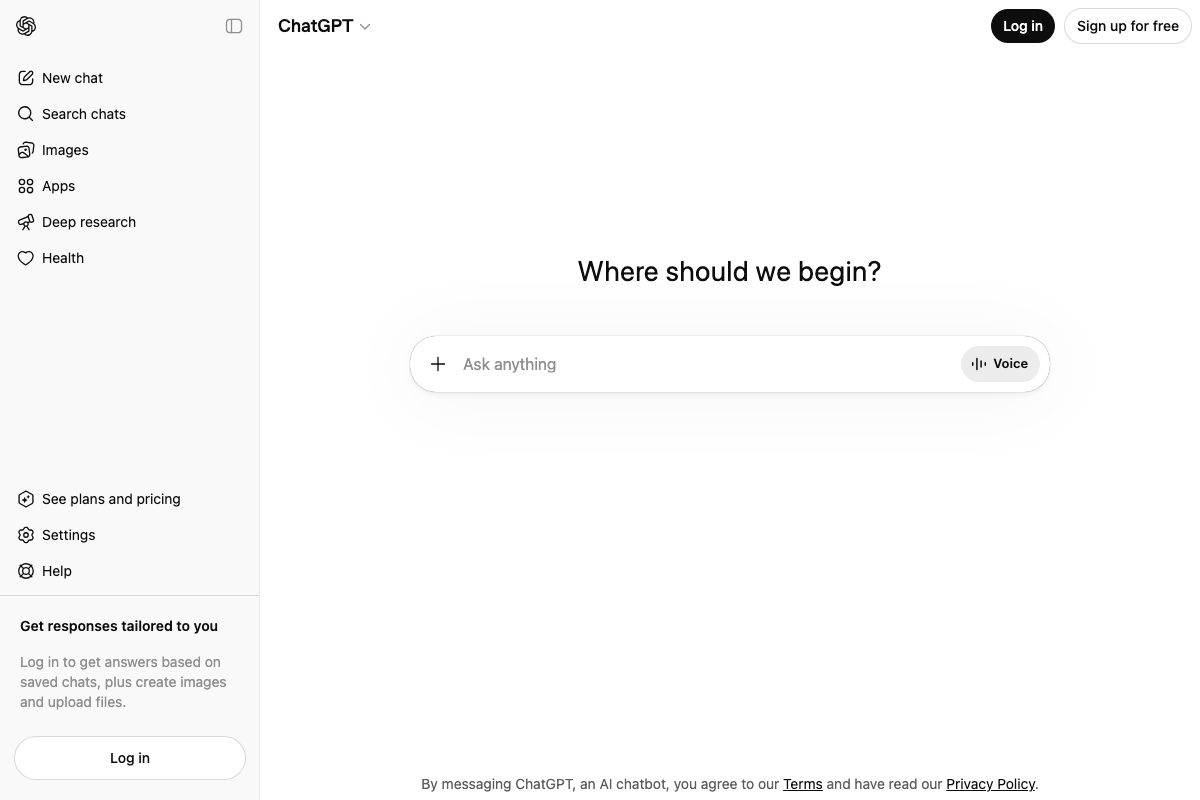
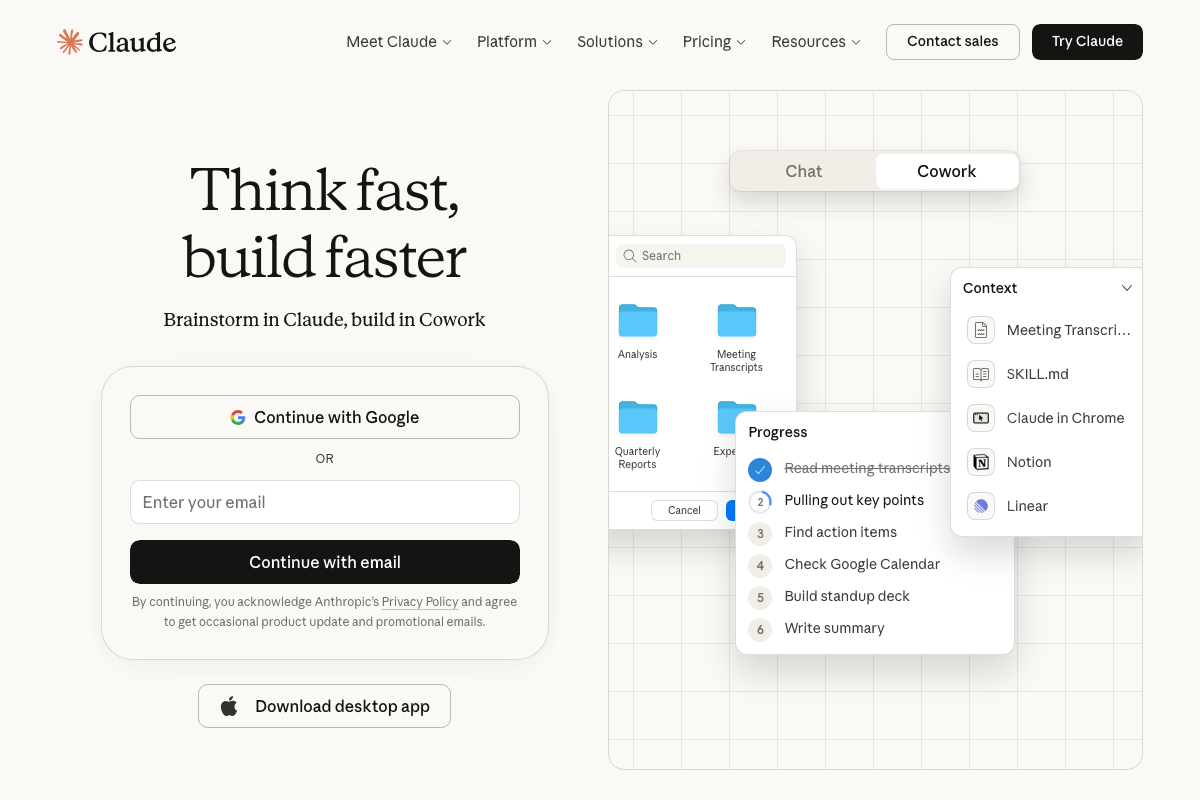
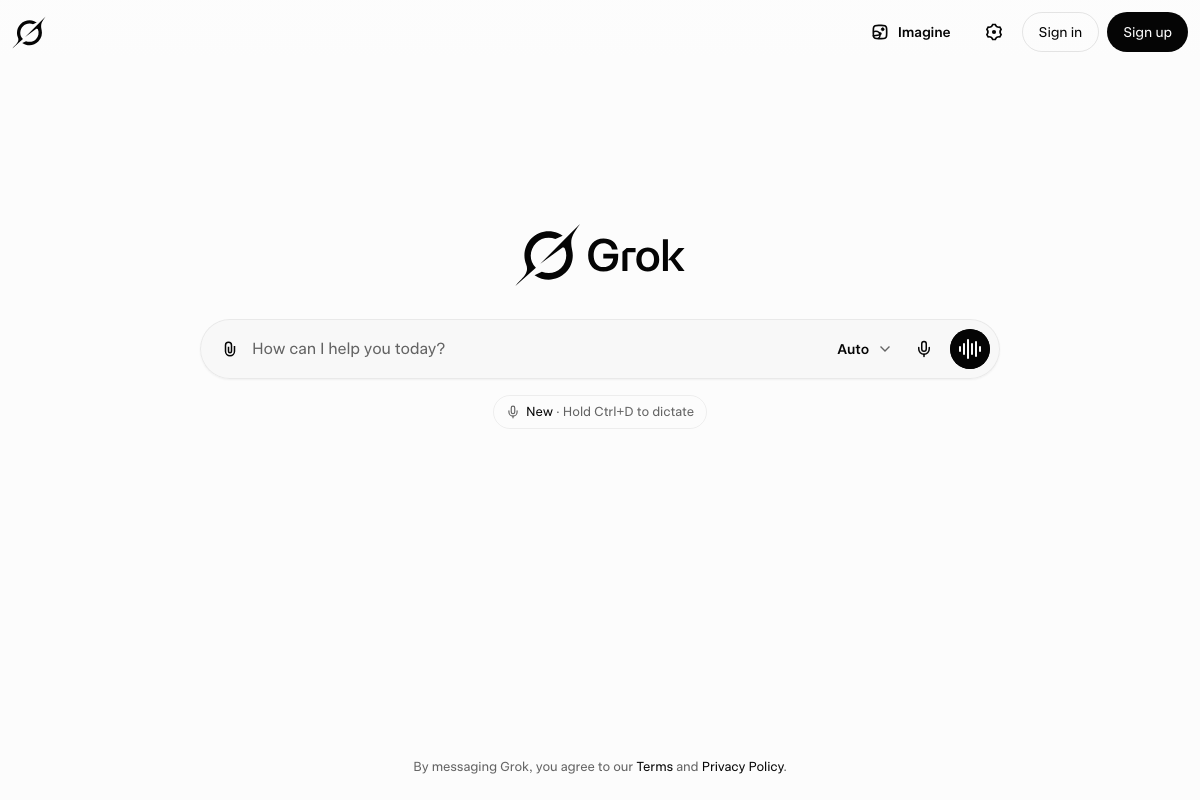
The video’s approach here matches the current docs exactly — but the extraction workflow is platform-specific, and treating all six as interchangeable will produce gaps. Perplexity is the only platform that surfaces structured citation URLs by default; its API exposes them as result.url. ChatGPT only displays source URLs when its web search tool is active — not in standard chat mode. Claude and Grok have no dedicated citations panel; any URLs must be manually parsed from prose response text.
Step 5: Compile citation URLs into Google Sheets
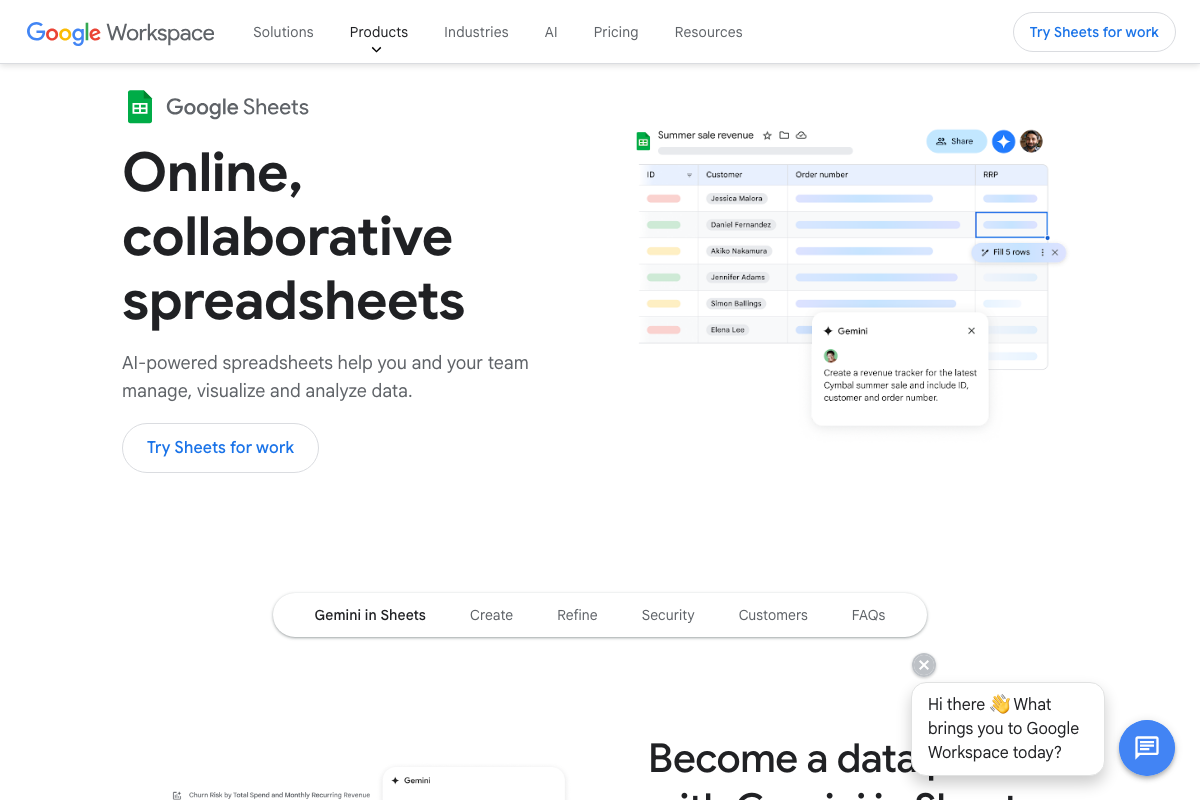
The video’s approach here matches the current docs exactly. One capability the tutorial doesn’t mention: Google Sheets now includes native Gemini AI integration. You can generate your citation tracking table structure from a natural language prompt rather than building it manually, and Gemini in Sheets can assist with deduplication and cross-platform frequency counting.
Step 6: Check for brand presence on each citation page
The video’s approach here matches the current docs exactly — with one distinction worth building into your tracking. The Rankability dashboard confirms that “AI mentions” (brand named in the answer) and “AI citations” (brand URL listed as a source) are tracked as separate metrics with separate scores. A brand can register 88% AI citations while sitting at only 25% AI mentions. Treating these as a single binary state will mask which visibility gap you’re actually closing.
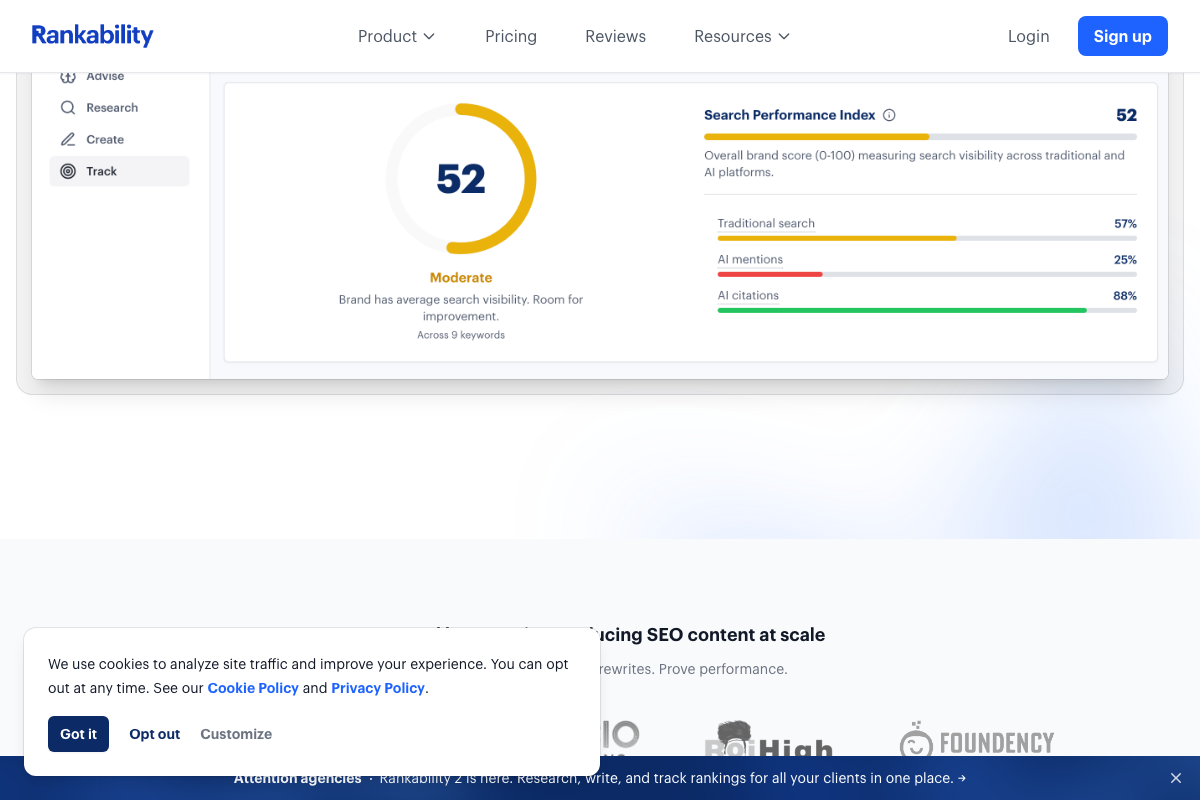
Steps 7–10: Prioritize targets, build outreach, pursue paid placements, calibrate effort ratio
No official documentation was found for these steps — proceed using the video’s approach and verify independently.
Useful Links
- SEO + AEO (AI search) Software for Agencies | Rankability — Paid agency tool that automates the multi-platform AI citation and brand visibility tracking the tutorial performs manually.
- ChatGPT — OpenAI’s consumer interface; citation URLs only appear when the web search tool is active, not in default chat mode.
- Google — Google homepage where AI Mode is accessed via a dedicated search bar button; AI Overviews appear automatically in standard results pages.
- Gemini API | Google AI for Developers — Developer API documentation covering Google Search grounding and URL Context tools — the underlying mechanisms that produce Gemini citation URLs.
- Overview – Perplexity — Perplexity API docs confirming structured citation URL access via
result.url, the only platform with programmatic citation extraction out of the box. - Grok — Grok’s consumer interface; no structured citations panel, requiring manual URL extraction from prose responses.
- Claude — Anthropic’s consumer interface; no structured citation panel; free tier is sufficient for manual query execution in step 3.
- Google Sheets: Online Spreadsheets & Templates | Google Workspace — Google Sheets product page confirming native Gemini integration for AI-assisted table creation and data analysis relevant to steps 5 and 7.


0 Comments